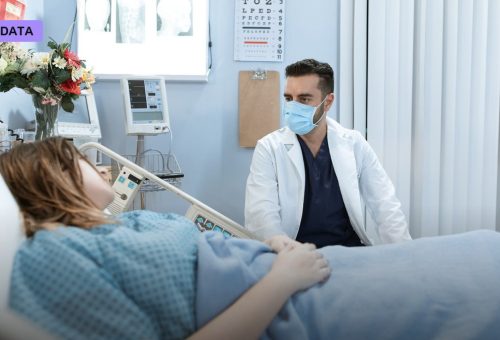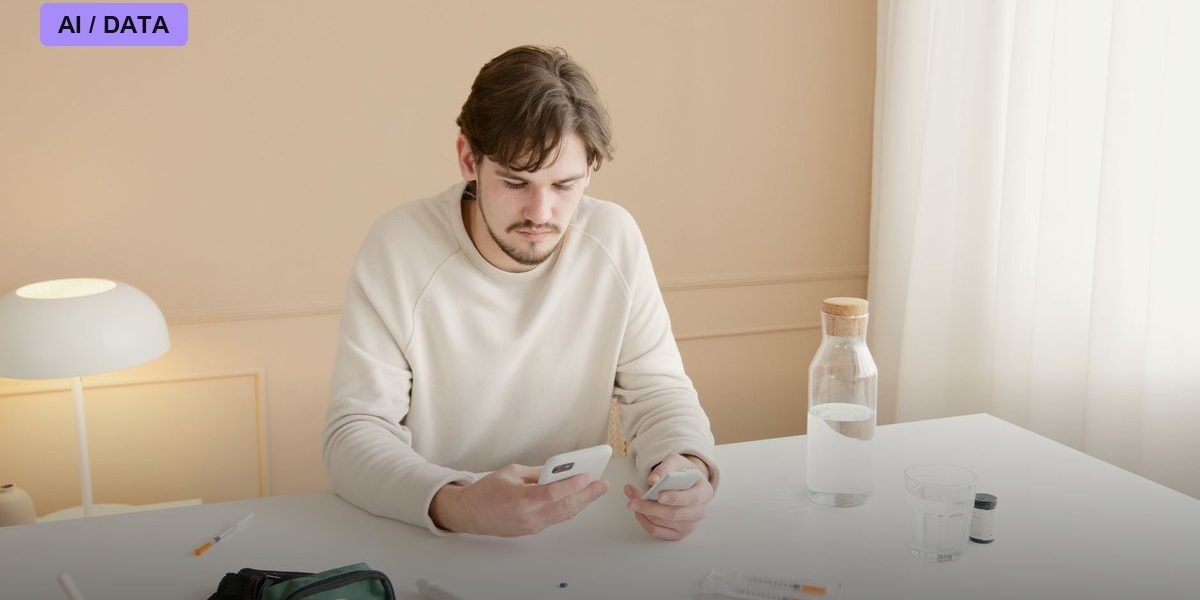
Most AI tools cleared by the Food and Drug Administration are built for radiologists and other specialists working behind the scenes. UpDoc’s newly cleared software is different: it is a large language model-based tool designed to interact directly with patients managing type 2 diabetes, placing it among a small but growing category of consumer-facing AI medical devices making their way through U.S. regulatory channels.
Diabetes Management’s Persistent Gap
Type 2 diabetes affects tens of millions of Americans, and managing it well requires constant small decisions, about diet, medication timing, blood sugar monitoring, and recognizing warning signs, that patients mostly have to navigate on their own between infrequent visits to an endocrinologist or primary care doctor. That gap between periodic clinical visits and daily self-management has long been a target for digital health companies promising to fill the space with always-available guidance.
What Makes UpDoc’s Clearance Notable
UpDoc’s tool stands out because it is built on a large language model and is intended for direct patient interaction rather than functioning purely as a clinician decision-support tool. FDA clearance for patient-facing generative AI software remains relatively rare; most of the more than 1,600 AI and machine-learning devices the agency has authorized to date are aimed at image interpretation for radiologists and other specialists, not conversational tools meant to guide patients’ daily health decisions directly.
How the Clearance Fits a Wider Regulatory Pattern
The FDA has been developing new pathways specifically for generative AI tools, recognizing that chatbot-style software doesn’t fit neatly into the regulatory categories built for traditional medical devices or even earlier generations of diagnostic AI. UpDoc’s clearance arrives as the agency works through how to evaluate software that can generate novel, conversational responses rather than a fixed set of outputs, a harder regulatory problem than approving an algorithm that simply flags an abnormal scan.
The Case for Caution With Patient-Facing AI
Physicians and patient-safety advocates have raised concerns about direct-to-patient AI health tools more broadly, including a widely cited comment from cardiologist and researcher Eric Topol warning that companies are rushing out consumer AI health products without enough anchoring in safety, quality, and consistency testing. Diabetes management carries real stakes: incorrect guidance about medication dosing or blood sugar interpretation could cause serious harm, which is why FDA clearance, with its associated testing and labeling requirements, matters more here than it might for a general wellness app that never claims to be a medical device.
Why Direct-to-Patient AI Is Growing Despite the Concerns
Market researchers estimate tens of millions of U.S. consumers are already using some form of AI health tool, a number projected to keep climbing through the end of the decade, and diabetes, as one of the most common chronic conditions requiring daily self-management, is a natural target for that growth. Companies pursuing FDA clearance, rather than launching unregulated wellness apps, are making a bet that regulatory legitimacy will matter to patients, clinicians, and insurers who remain wary of unproven AI health products flooding the market.
What to Watch as UpDoc Reaches Patients
The real test for UpDoc’s tool will come after clearance, as it reaches patients managing diabetes in the messy reality of daily life rather than a controlled testing environment. Key questions include how the software handles edge cases outside its training, how clearly it communicates the limits of its guidance, and whether it reliably directs patients to seek emergency or clinical care when a situation exceeds what an AI chatbot should be advising on. As more companies like UpDoc pursue formal FDA clearance for patient-facing generative AI, the diabetes management clearance may serve as an early test case for how that review process holds up for conversational, rather than purely diagnostic, medical software.
Photo: Artem Podrez / PEXELS via Pexels