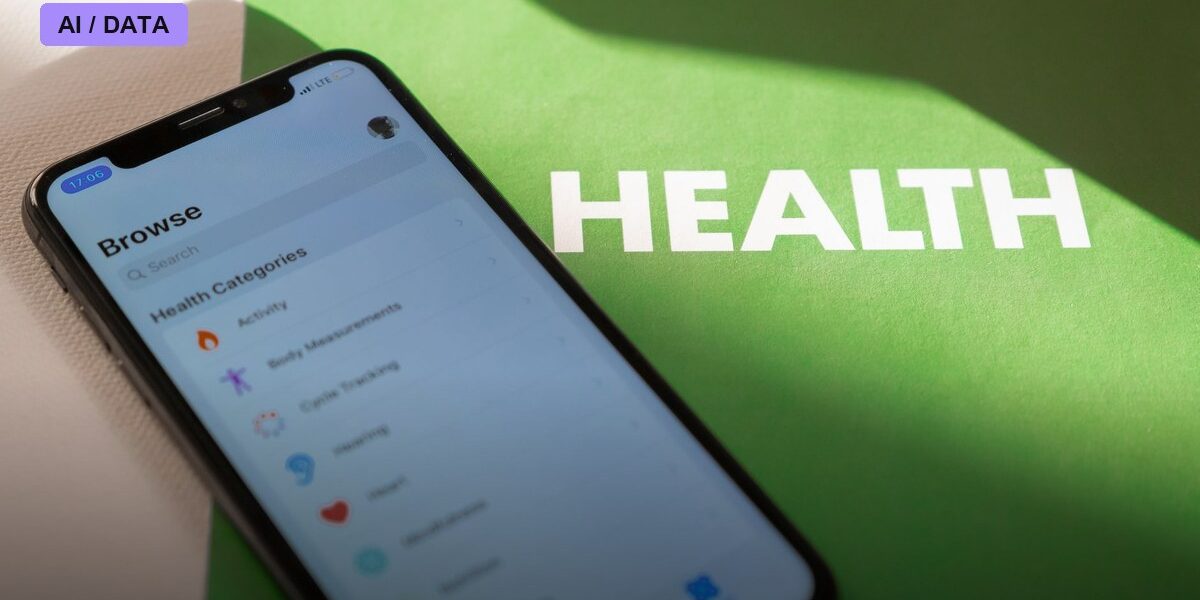
OpenAI’s dedicated Health feature inside ChatGPT has expanded to pull data from providers including One Medical, Kaiser Permanente, and UC Health alongside Apple Health, letting the chatbot compare new lab results against a user’s history and summarize what’s changed since a last doctor visit. The company says more than 230 million people ask ChatGPT health-related questions every week, a figure that underscores how much informal medical inquiry has already migrated to AI chatbots regardless of whether a dedicated feature exists.
How the feature actually works
ChatGPT Health launched first in January as a waitlist feature letting users connect medical records and apps like Apple Health, Function, and MyFitnessPal so the chatbot’s answers could draw on personal health data. Conversations in the dedicated Health space are kept separate from a user’s regular ChatGPT history, and OpenAI says it does not use Health conversations to train its underlying models — a distinction the company has emphasized given the sensitivity of medical data. The feature expanded broadly to US users in July, adding integrations with major provider networks and the ability to draw on medications, lab results, recent visit notes, sleep, and activity data with permission.
The detail OpenAI didn’t expect: people don’t stay in the Health tab
One of the more telling findings behind the July expansion was usage data showing more than 70% of early testers’ health-related conversations happened outside the dedicated Health space entirely — users were asking medical questions in ordinary chats rather than navigating to a separate tool. That behavior forced OpenAI to let health context carry across regular conversations rather than confining it to a walled-off section, acknowledging that the feature needed to meet users where they already were rather than requiring a behavior change.
Why this matters beyond ChatGPT
The 230-million-weekly-users figure, if accurate, would make ChatGPT one of the largest single channels through which people seek health information anywhere — larger than most individual health systems’ total patient populations. That scale has drawn attention from clinicians on both sides of a familiar divide: some see it as an opportunity to catch concerning symptoms earlier and help patients prepare more informed questions for actual appointments, while others worry it normalizes self-diagnosis at a scale no previous consumer health tool has reached, especially among users who may not have a regular doctor to consult as a check on the AI’s output.
The guardrails, and their limits
OpenAI has consistently framed ChatGPT Health as support rather than replacement for professional care, stating explicitly that it is not intended for diagnosis or treatment decisions. The feature remains limited to Free, Go, Plus, and Pro users in the US who are 18 or older, and full medical-record integration requires an iOS device for Apple Health connectivity — restrictions that leave large populations, including non-US users and older Android-only devices, without access to the more advanced record-linking features. Early reports also describe clinician-facing uses emerging alongside the consumer feature, including hospitals exploring ChatGPT-based tools to help doctors draft discharge summaries and reduce administrative workload, though these accounts come from limited reporting and haven’t been independently verified at scale.
What’s next
OpenAI faces pressure to expand ChatGPT Health beyond the US and beyond Apple’s ecosystem if it wants the feature to match the scale of its stated weekly usage figures. The company has not detailed plans for international rollout or Android-equivalent health-record integration, and independent researchers are likely to continue scrutinizing whether the surge in AI-mediated health questions correlates with earlier care-seeking or with increased anxiety over ambiguous symptoms — a question current usage data cannot yet answer.
Photo: Polina Zimmerman / PEXELS via Pexels