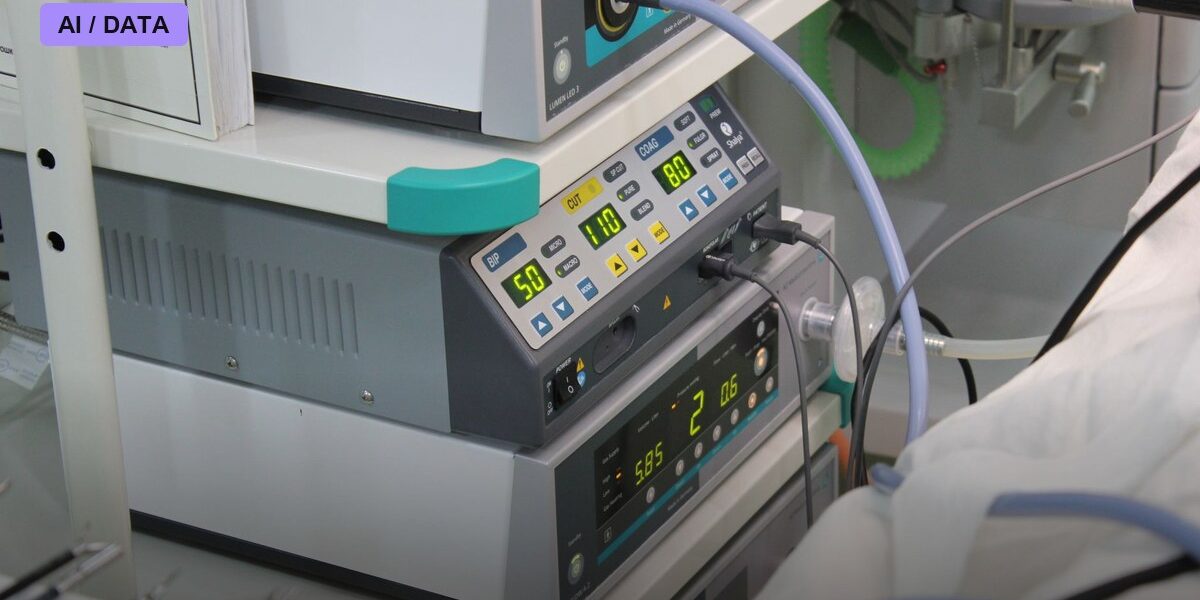
India’s Central Drugs Standard Control Organisation has released draft guidance that would classify most diagnostic AI software as Class C medical devices, a designation carrying more rigorous review and approval requirements — a regulatory response to the rapid clinical adoption of AI diagnostic tools across Indian hospitals.
Why This Classification Matters
India’s medical device classification system ranges from Class A, covering low-risk devices like bandages, up through Class D for the highest-risk implantable and life-sustaining devices, with Class C sitting in the moderate-to-high risk tier that typically requires more extensive clinical validation data before approval. Placing most diagnostic AI software in this category signals that regulators view these tools as carrying meaningful clinical risk — not simple administrative software — given their direct role in influencing diagnosis and treatment decisions.
The Clinical Reality Driving the Rule
The guidance arrives as AI diagnostic tools have moved rapidly from pilot programs into mainstream clinical use at major Indian hospital networks, including Apollo Hospitals’ deployment of AI tools that read stroke-related brain scans in roughly two minutes compared to about 60 minutes under traditional review. That kind of rapid, high-stakes clinical deployment is precisely the scenario regulators want to ensure has undergone adequate safety and accuracy validation before becoming standard practice.
The Tension Between Speed and Safety
India’s hospital sector has embraced AI diagnostics partly out of necessity, given a shortage of specialist radiologists and other diagnostic physicians relative to the country’s population, creating real pressure to deploy tools that can extend limited specialist capacity. The new Class C classification introduces a potential tension: more rigorous approval requirements could slow the pace at which new AI diagnostic tools reach hospitals that need them, even as the added scrutiny aims to prevent inadequately validated tools from causing clinical harm.
How This Compares Globally
India’s approach mirrors a broader global trend of regulators catching up to rapid AI healthcare deployment after the fact rather than proactively, a pattern also visible in US debates over how the FDA should classify and review AI-powered diagnostic and wellness tools. The specifics of India’s framework — including what clinical evidence manufacturers must provide and how approval timelines will work — remain to be finalized as the guidance moves from draft to final rule.
Industry and Hospital Reaction
Indian hospital networks and AI diagnostic tool vendors have generally supported the principle of regulatory oversight while expressing concern about how approval timelines might affect their ability to rapidly deploy new tools and updates, a common tension in fast-moving AI healthcare markets globally. Patient safety advocates have largely welcomed the move, arguing that the clinical stakes of diagnostic AI — tools directly influencing treatment decisions for conditions like stroke — justify more rigorous scrutiny than lower-risk categories of medical software.
What’s Next
The draft guidance will move through a public comment and finalization process before taking effect, a period during which hospital networks, AI vendors, and patient advocacy groups will likely push for specific adjustments to approval timelines and evidence requirements. How India balances rapid AI diagnostic adoption against rigorous safety validation will be closely watched by other large, diverse healthcare markets grappling with the same regulatory challenge.
Photo: Кайрат Сатдиков / PEXELS via Pexels