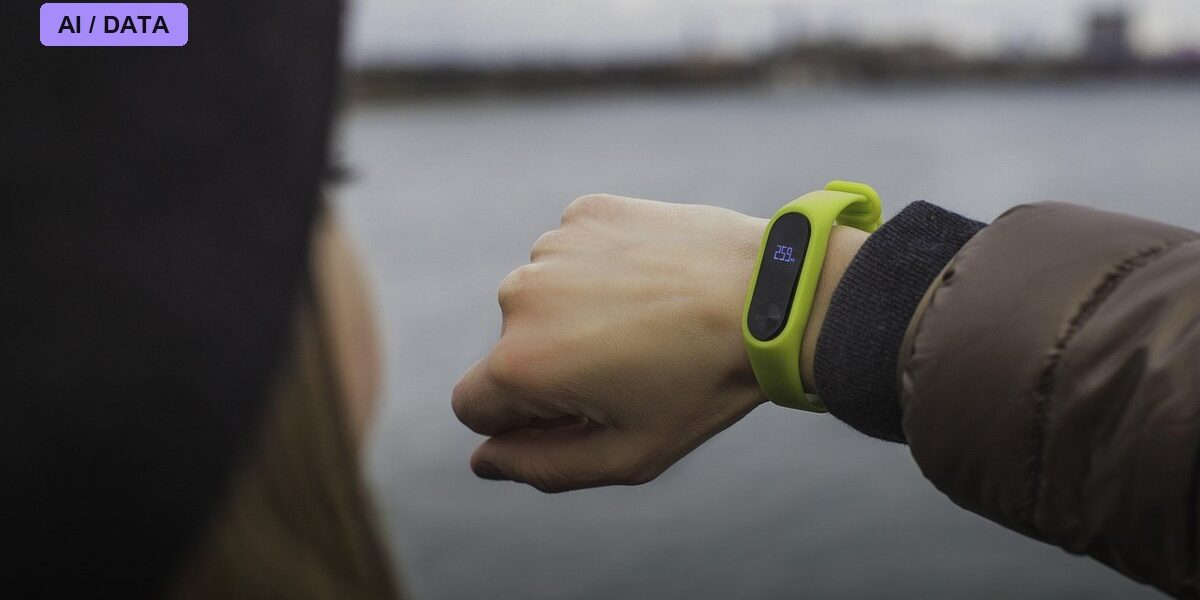
Oura released its Ring 5 in late May 2026, a device the company says is 40% smaller than its predecessor while maintaining up to a week of battery life, alongside new AI-driven software features including a ‘Health Radar’ tool that decodes nighttime breathing patterns and blood pressure signals to flag early indicators of cardiovascular strain and sleep disruption. The launch underscores how aggressively wearable makers are racing to turn passive fitness trackers into genuine, AI-interpreted health monitoring tools.
What’s New Beyond the Hardware
Alongside the smaller ring itself, Oura’s app gained live activity tracking and GLP-1 medication management features, reflecting the surging popularity of weight-loss drugs like Ozempic and Wegovy and the demand for tools that help users track how their bodies respond while on them. The company’s AI assistant, Oura Advisor, was also upgraded to read and interpret a user’s own biometric history directly — though reports differ on exactly when that upgrade rolled out, with some pointing to February 2026 and others to mid-2025.
Whoop’s Competing Bet on Telehealth
Rival wearable maker Whoop took a different approach in May 2026, adding on-demand video consultations with licensed clinicians directly inside its app through a partnership with HealthEx, alongside clinical history access. Whoop has also said it’s working on improvements to its heart rate algorithm and workout auto-detection, continuing a pattern of iterative software updates layered onto its subscription hardware model.
Both Companies Are Attracting Massive Valuations
The investor appetite for this category has been striking: Whoop reportedly raised $575 million at a $10.1 billion valuation, while Oura raised $900 million at an $11 billion valuation within roughly the same stretch of 2026. Those numbers reflect investor conviction that AI-interpreted personal health data — not just step counts and sleep scores, but predictive, clinically-adjacent insights — represents the next major consumer health platform.
Regulatory Friction Is Already Here
The push toward clinical-sounding claims hasn’t gone smoothly for either company. The FDA sent Whoop a warning letter in 2025 over its Blood Pressure Insights feature, arguing it crossed into regulated medical-device territory; Whoop disputed that interpretation and declined to disable the feature. Oura, meanwhile, faces a proposed August 2026 class-action lawsuit accusing it of overstating the accuracy of its sleep-stage tracking — a claim that echoes independent research finding wearables are strong at measuring total sleep time but only moderately accurate at classifying individual sleep stages like REM and deep sleep.
What It Means for Consumers
The combination of aggressive marketing claims, genuine technical advances, and unresolved regulatory and legal challenges leaves consumers in an awkward position: these devices are more capable than ever at surfacing potentially meaningful health signals, but the accuracy and clinical validity of specific features — especially blood pressure and sleep-stage claims — remain contested. As both companies push further into AI-driven health interpretation, expect regulators and plaintiffs’ attorneys to keep testing where consumer wellness devices end and regulated medical devices begin.
Photo: StockSnap / PIXABAY via Pixabay