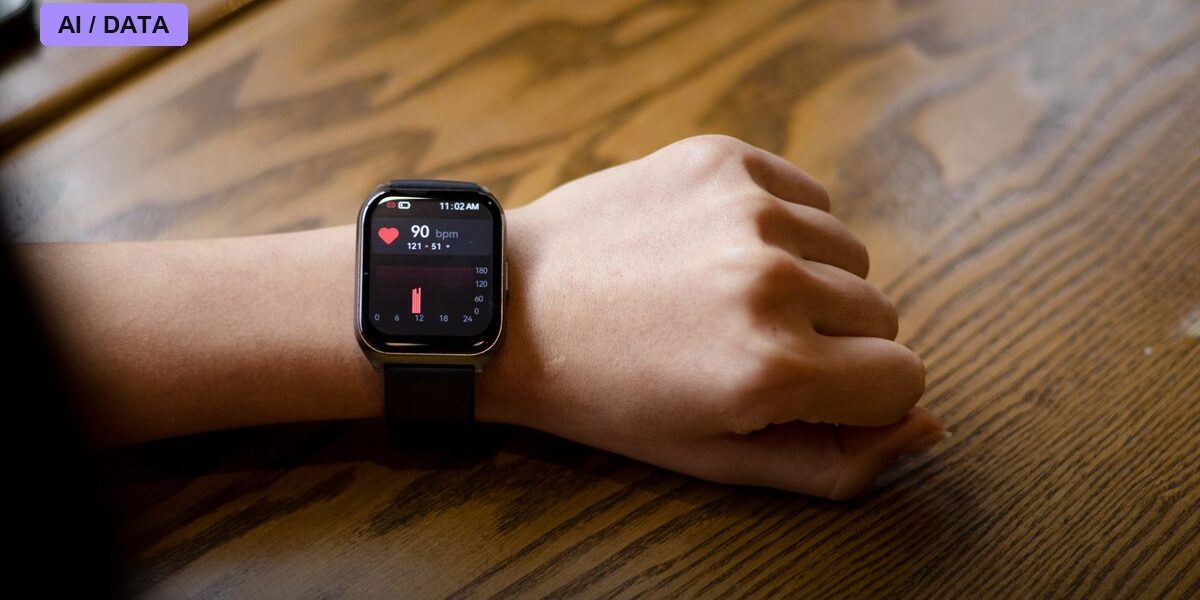
Apple’s newest smartwatch models, the Watch Series 12 and Watch Ultra 4, introduce an expanded health sensor system paired with a new AI-driven readiness score, part of a broader push to turn the device from a passive activity tracker into an active daily health coach. The watches now capture higher-frequency heart rate and heart rate variability readings, feeding Apple Intelligence-powered analysis that aims to tell wearers not just what happened yesterday, but how prepared their body is for today. Apple has not detailed exactly how its longevity scoring algorithm weighs the different sensor inputs feeding into it, leaving outside researchers unable to independently audit its methodology for now.
What the Readiness Score Actually Measures
The readiness score synthesizes multiple inputs, including sleep quality, heart rate variability and recent activity load, into a single daily metric intended to guide decisions about whether to push hard in a workout or prioritize recovery. The approach mirrors scoring systems already popularized by dedicated wearable makers like Oura and Whoop, suggesting Apple is responding to competitive pressure from smaller, more specialized health wearable companies that built their entire product identity around this kind of daily guidance metric.
Apple Intelligence Enters the Health App
Beyond the readiness score, Apple’s Health app now uses Apple Intelligence to surface longevity-oriented insights, drawing on the accumulated sensor data to identify longer-term health trends rather than just presenting raw numbers. This marks one of the more concrete consumer-facing applications of Apple’s broader AI push, which has otherwise focused heavily on Siri and productivity features, and signals that health may become one of the primary battlegrounds for demonstrating Apple Intelligence’s practical value to everyday users.
Why Apple Is Playing Catch-Up Here
Dedicated wearable makers like Oura, with its popular smart ring, and Whoop, with its subscription-based fitness band, built loyal user bases specifically around sophisticated daily scoring and AI-driven coaching, areas where Apple’s smartwatch historically offered more basic activity and heart rate tracking. By adding a readiness score and longevity insights, Apple is directly targeting the feature set that has differentiated these smaller competitors, leveraging its vastly larger installed base of Apple Watch users to potentially neutralize their advantage.
The Broader Wearable Health Market
Market researcher eMarketer projects more than 86.4 million US consumers, nearly a quarter of the population, will use a health-related smart wearable in 2026, a figure that underscores how mainstream continuous health monitoring has become in a relatively short span of years. As that user base grows, the competition between Apple, Oura, Whoop, Samsung and other wearable makers increasingly centers on whose AI-driven interpretation of sensor data feels most actionable and trustworthy to everyday consumers rather than on the underlying sensor hardware itself.
Questions About Accuracy and Over-Reliance
Some health researchers have cautioned against consumers placing too much weight on proprietary, opaque AI scoring systems that are not independently validated through peer-reviewed clinical research, noting that a single number like a readiness score can oversimplify genuinely complex physiological states. There is also a documented risk that some wearable users develop anxiety or obsessive behavior around optimizing daily scores, a phenomenon some clinicians have informally dubbed orthosomnia when it specifically involves sleep tracking.
How Third-Party Developers Might Build on Top
Apple has historically opened portions of its HealthKit framework to third-party developers, and a similar approach with the new Apple Intelligence-driven health scoring system could let specialized fitness and medical apps incorporate Apple’s readiness metrics directly into their own services, rather than requiring developers to build competing scoring systems entirely from scratch. Whether Apple extends that level of access remains unclear, but doing so could meaningfully expand the practical reach of its new health AI features well beyond the native Health app alone.
What’s Next
Apple is expected to continue expanding Apple Intelligence’s role within the Health app, potentially extending AI-driven insights to other sensor data streams like blood oxygen and temperature tracking already present on recent Apple Watch models. The real test will be whether Apple’s AI-driven health features can match the depth and personalization that dedicated wearable companies have spent years refining, or whether Apple’s advantage in distribution and ecosystem integration proves more decisive than feature parity in winning over health-conscious consumers. Competing wearable makers have signaled they are watching Apple’s rollout closely before deciding how aggressively to respond with their own longevity-focused feature updates.
Photo: ahmed akeri / PEXELS via Pexels