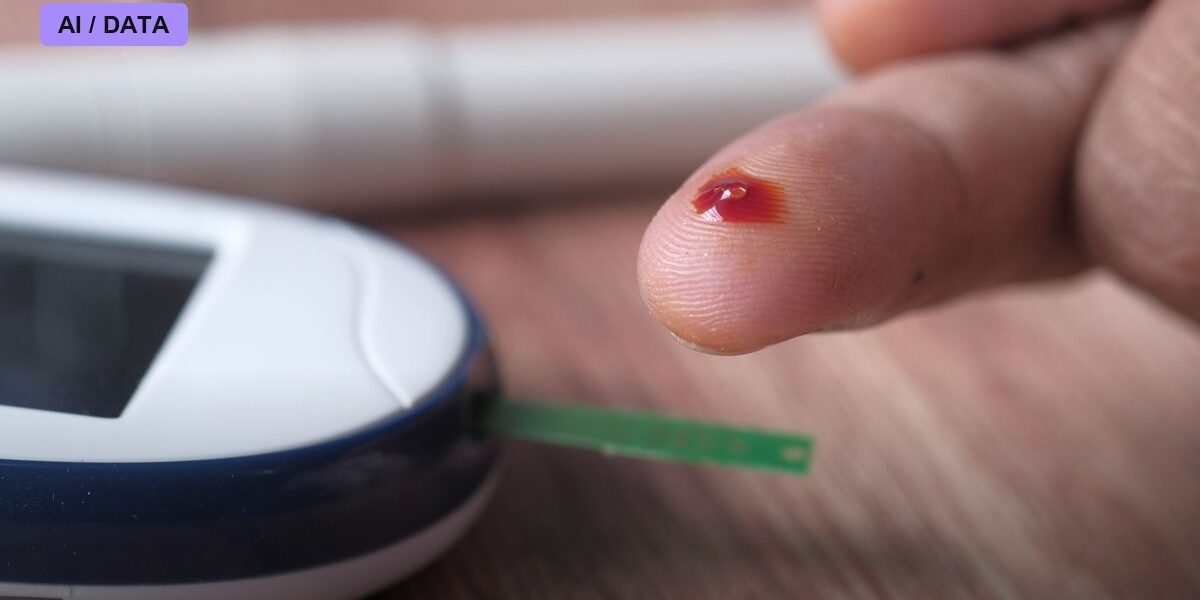
Abbott received FDA clearance on August 25, 2026 for what the company describes as the first wearable sensor in the United States capable of continuous ketone measurement, and the first device anywhere able to track both glucose and ketones simultaneously on a single wearable platform, a combination regulators treated as a genuinely novel sensing category rather than an incremental extension of existing glucose monitoring clearances. The clearance extends Abbott’s dominant position in continuous glucose monitoring, built around its Freestyle Libre product line, into a new category of metabolic tracking that the company and outside clinicians say could meaningfully improve safety monitoring for people managing diabetes with certain medications.
Why Tracking Ketones Alongside Glucose Matters
Elevated ketone levels combined with high blood glucose can signal diabetic ketoacidosis, a potentially life-threatening complication that develops when the body, lacking sufficient insulin to use glucose for energy, begins breaking down fat at a dangerous rate, producing a buildup of ketones that can rapidly become toxic. The risk has drawn particular clinical attention because of a specific class of diabetes medications, SGLT2 inhibitors, which lower blood glucose by causing the kidneys to excrete more sugar in urine but which have been associated with an elevated risk of a form of ketoacidosis that can develop even when blood glucose levels appear only moderately elevated, making it harder to catch using glucose monitoring alone, a diagnostic blind spot that has concerned endocrinologists since SGLT2 inhibitors first gained widespread adoption.
How the Combined Sensor Technology Works
Abbott’s new device builds on the continuous glucose monitoring sensor technology the company has refined over multiple product generations, adding a second sensing mechanism capable of continuously measuring ketone levels in interstitial fluid alongside glucose, all through a single wearable patch rather than requiring separate devices or periodic fingerstick ketone testing. The continuous nature of the measurement represents a meaningful advance over existing ketone testing methods, which have historically relied on either blood or urine tests that only capture a single point-in-time reading rather than ongoing trends.
The Competitive Landscape in Continuous Glucose Monitoring
Abbott competes primarily with Dexcom in the continuous glucose monitoring market, a category that has grown substantially as the technology has expanded beyond insulin-dependent type 1 diabetes patients into broader use among type 2 diabetes patients and even some non-diabetic consumers interested in metabolic health tracking. The combined glucose-and-ketone clearance gives Abbott a distinct clinical differentiation point, at least temporarily, in a market where the two companies have historically competed primarily on sensor accuracy, wear duration and smartphone app integration rather than on measuring fundamentally different physiological signals from each other entirely.
How Clinicians Are Expected to Use the New Capability
Endocrinologists have said the combined sensor could be particularly valuable for patients on SGLT2 inhibitors or those with a history of ketoacidosis episodes, allowing earlier detection of rising ketone trends before they progress to a medical emergency requiring hospitalization. Some clinicians have cautioned that broader adoption will depend on how effectively Abbott can educate both patients and primary care physicians, who may be less familiar with ketone monitoring than with glucose trends, on how to interpret and act on the new combined data stream.
What Remains Uncertain About Real-World Impact
While the FDA clearance confirms the device meets regulatory standards for accuracy and safety, real-world evidence on whether combined glucose-and-ketone monitoring actually reduces ketoacidosis-related hospitalizations will take longer to accumulate through post-market surveillance and clinical studies. Health economists have also noted that insurance coverage decisions, which significantly influence how widely continuous glucose monitoring technology is adopted, will play a major role in determining how quickly the combined sensor reaches the patient population that could benefit most, a dynamic that has shaped the adoption curve for nearly every previous generation of continuous glucose monitoring technology.
What’s Next
Abbott has indicated plans for a phased commercial rollout of the combined sensor, starting with patients identified as having elevated ketoacidosis risk before expanding to the broader continuous glucose monitoring customer base. Dexcom and other continuous monitoring competitors are likely to face pressure to develop comparable ketone-sensing capabilities of their own, a dynamic that could accelerate innovation across the broader metabolic monitoring wearable category over the coming years as both companies seek to avoid ceding ground in a space neither had previously prioritized.
Photo: Towfiqu barbhuiya / PEXELS via Pexels