St. Luke’s Health System, the largest not-for-profit health system in Idaho, has selected hellocare.ai as its enterprise platform for AI-assisted virtual care, a move announced October 21, 2026, that will bring virtual nursing, virtual sitting and a suite of connected-room technologies to hospitals and inpatient facilities across southern Idaho. The deal marks one of the broadest enterprise rollouts yet for hellocare.ai, a Clearwater, Florida-based company that says it now supports more than 100 U.S. health systems.
What St. Luke’s Is Deploying
Under the agreement, St. Luke’s will roll out AI-Assisted Virtual Nursing and Telehealth alongside AI-Assisted Virtual Sitting, giving remote clinical staff the ability to monitor patients, assist with admissions and discharges, and flag safety risks such as fall attempts in real time. The broader hellocare.ai suite also includes patient engagement tools, digital whiteboards, digital room signage, ambient documentation and hospital-at-home capabilities, all designed to turn a standard inpatient room into what the company calls a smart, connected care environment.
Why Hospitals Are Turning to Virtual Nursing
The push into virtual nursing is less about novelty than necessity. Hospitals nationwide have spent years wrestling with bedside nursing shortages, high turnover and burnout tied to documentation burden and constant patient monitoring demands, particularly for fall-risk and behavioral-health patients who historically require a staff member physically posted in the room. Virtual sitting programs, which use cameras and remote staff to watch several rooms at once, have become one of the most common ways health systems try to stretch scarce nursing capacity without compromising safety. St. Luke’s framing of the deal leans directly into that pressure. Reid Stephan, the system’s senior vice president and chief information officer, said virtual care and AI-assisted technologies are becoming essential components of modern healthcare delivery, while Elizabeth Steger, St. Luke’s senior vice president and chief nursing executive, said supporting nurses with technology complements the knowledge, skills and expertise they already bring to patient care.
The Company Behind the Platform
hellocare.ai has grown quickly in the virtual care market. The company, which traces its roots to a German operation called hellocare.de before relaunching in the U.S., raised $47 million in an oversubscribed funding round in 2025 and said at the time its platform was already deployed across more than 70 health systems. Since then it has added marquee customers including Ardent Health, which covered more than 2,000 patient rooms in its own rollout, along with Cooper University Health Care and One Brooklyn Health. Labinot Bytyqi, founder and chief executive of hellocare.ai, said the company was honored to support St. Luke’s on what he called an important enterprise transformation initiative, pointing to clinician support and safer care environments as the goals.
Two Views on AI in the Patient Room
Hospital executives and vendors describe virtual nursing platforms as a way to give bedside staff backup without adding headcount, letting a smaller number of remote nurses supplement in-room teams during the busiest or riskiest moments of a shift. From that vantage point, tools like AI-assisted virtual sitting reduce the risk of falls and other adverse events precisely when staffing is thinnest, such as overnight. But nurse advocacy groups and some labor organizations have pushed back nationally on the broader trend of camera-based monitoring and AI-driven virtual care, arguing that remote observation is not a substitute for a trained nurse physically present at the bedside and raising concerns about patient privacy, consent for in-room cameras, and the risk that hospitals will lean on virtual tools to justify leaner in-person staffing ratios. Neither St. Luke’s nor hellocare.ai disclosed the financial terms of the Idaho deal, the number of facilities or beds covered, or a deployment timeline, leaving open how quickly the technology will reach patients and how its effect on staffing levels will be measured.
What Comes Next
St. Luke’s has not said when the first units will go live or how it plans to evaluate the program’s impact on patient safety, nurse workload or turnover. For hellocare.ai, the Idaho win adds another large integrated health system to a customer list that is growing fast at a moment when AI-assisted virtual care is shifting from pilot projects to systemwide infrastructure. Whether that shift ultimately eases the nursing shortage or simply changes its shape will depend on how hospitals like St. Luke’s pair the new technology with staffing decisions in the months ahead.
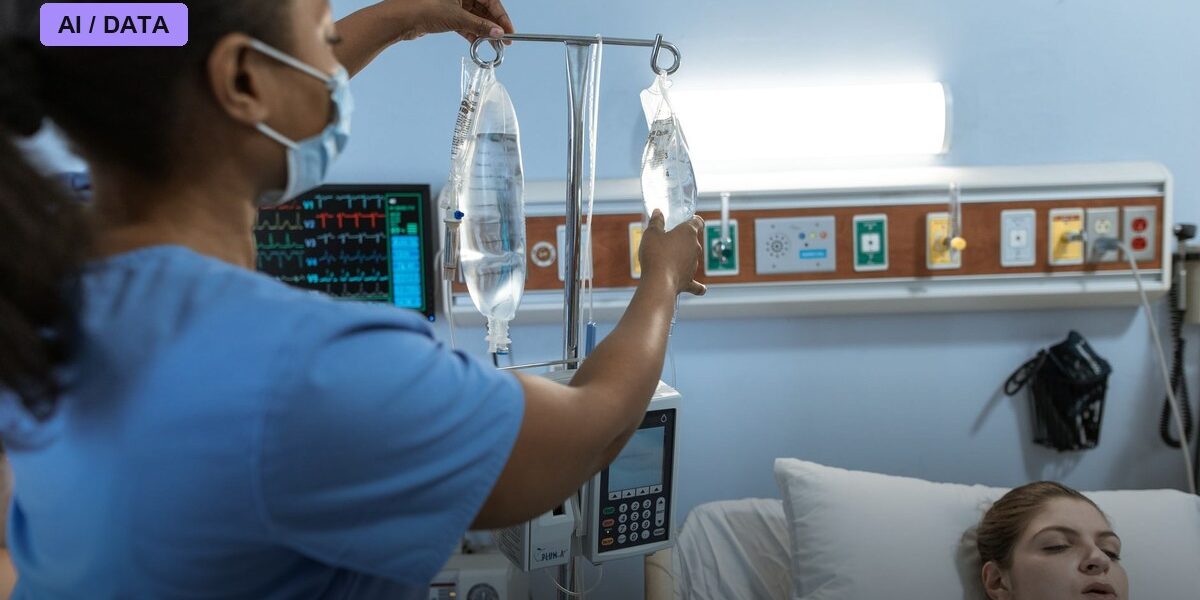
Photo: RDNE Stock project / PEXELS via Pexels