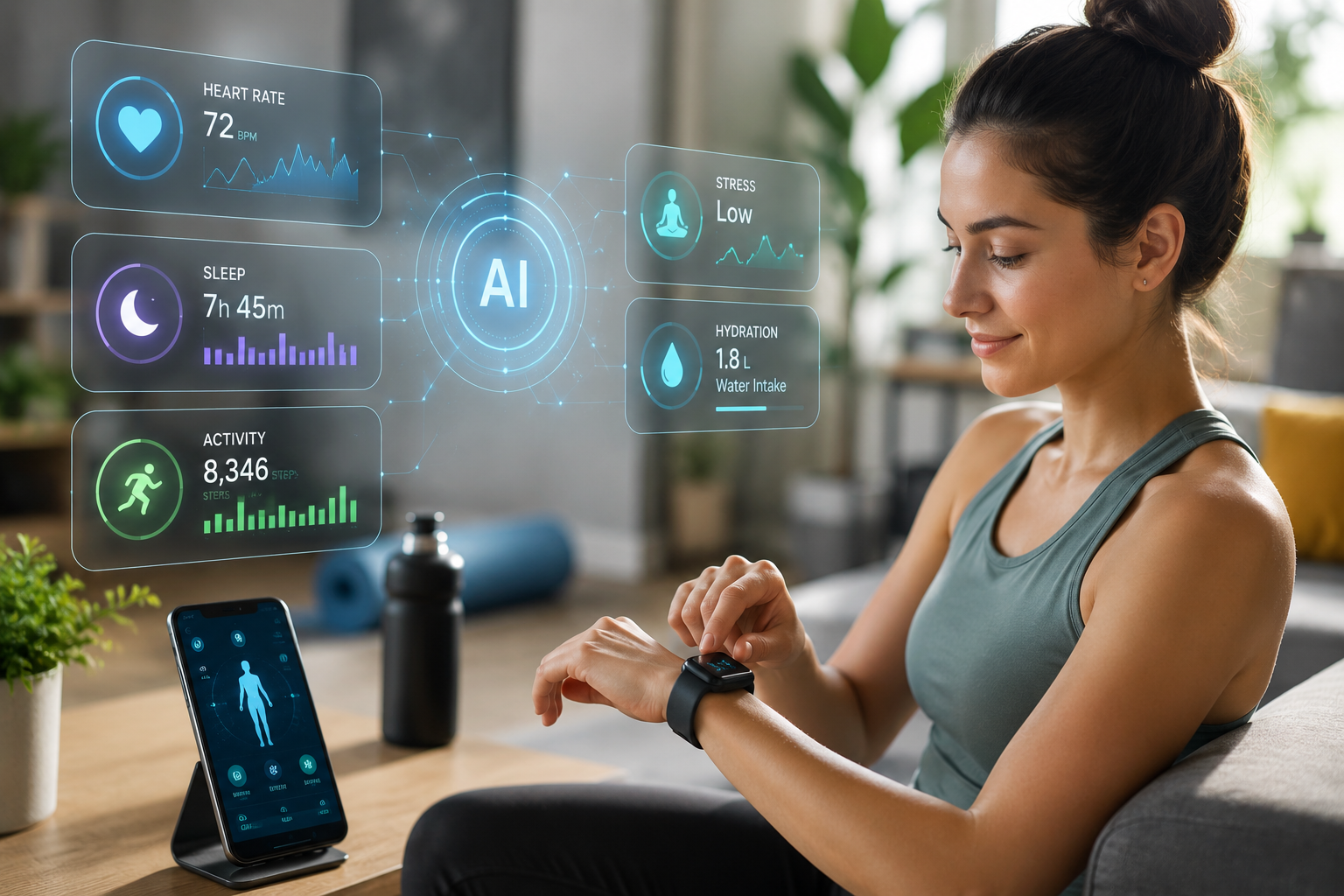
The wellness culture has been on the rise for years, with millions of people around the world investing in fitness trackers, meditation apps, and nutrition plans. But what’s driving this trend? And how is artificial intelligence (AI) playing a role in our daily lives?
What Changed
The shift towards wellness can be attributed to several factors, including increasing awareness of mental health, growing concerns about chronic diseases, and the desire for self-improvement. As people become more aware of their physical and emotional well-being, they’re seeking tools that can help them track and manage their health.
Enter AI-powered health tracking devices and apps, which use machine learning algorithms to analyze data from various sources – including wearables, smartphones, and even medical records – to provide personalized recommendations for improvement. These solutions are not only more accurate than traditional methods but also offer a more holistic view of one’s health.
Key Features
- Mood Tracking: AI-powered apps like Moodfit and Happify use natural language processing (NLP) to analyze users’ emotions, providing insights into their mental state and suggesting strategies for improvement.
- Nutrition Planning: Apps like Rise and Mealime use machine learning algorithms to create personalized meal plans based on dietary needs, preferences, and lifestyle.
- Sleep Monitoring: Devices like Oura Ring and Fitbit Sense use AI-powered sleep tracking to monitor sleep patterns, providing recommendations for improvement.
Comparing the Options
While AI-powered health tracking devices and apps are becoming increasingly popular, there’s still a need for standardization and interoperability. For instance, some devices may not be compatible with certain smartphones or platforms, making it essential to research compatibility before investing in a particular solution.
Another consideration is data ownership and security. As more people rely on AI-powered health tracking solutions, concerns about data privacy and the potential for misuse are growing. It’s crucial to choose solutions that prioritize user data protection and provide transparency into how their algorithms work.
The Impact on Daily Life
As AI-powered health tracking becomes more prevalent, we can expect several changes in our daily lives:
- Mental Health Awareness: By providing a deeper understanding of mental health, these solutions will help reduce stigma and encourage open discussions about emotional well-being.
- Improved Health Outcomes: AI-powered tracking devices and apps can help prevent chronic diseases by identifying early warning signs and suggesting interventions.
However, there are also concerns about over-reliance on technology and the potential for inaccurate or biased recommendations. As we continue to integrate AI into our daily lives, it’s essential to maintain a critical perspective and prioritize user-centric design.
Availability and Pricing
Many AI-powered health tracking devices and apps are already available in the market, with prices ranging from affordable (less than ₹5,000) to premium (over ₹20,000). Some popular options include:
- Oura Ring: Starting at $299 (approximately ₹22,500)
- Fitness trackers like Fitbit Sense and Garmin Vivosport: Starting at ₹15,000
- Moodfit and Happify apps: Subscription-based, starting at ₹499 per month