Seven states enacted laws in 2026 that restrict how health insurers can use artificial intelligence to decide whether to pay for a patient’s care, a wave of legislation that arrives as lawsuits over AI-driven claim denials continue to work their way through federal courts. Alabama, Colorado, Georgia, Illinois, Iowa, Utah, and Washington each passed measures this year requiring that a human reviewer, not an algorithm acting alone, make the final call on denying, delaying, or downgrading a medical claim, though the laws differ considerably in scope, effective date, and enforcement mechanism.
The Common Thread: No Denial on AI Alone
Despite their differences, all seven laws share a core requirement: insurers can use AI to assist with the first pass of a prior authorization or claims review, but the software cannot be the sole basis for an adverse decision. Washington’s SB 5395, effective June 11, 2026, states that only a licensed physician or other qualified health professional may deny a request on medical necessity grounds, and requires insurers to report annually on what share of denials involved AI assistance. Georgia’s SB 444, effective January 1, 2027, similarly bars coverage decisions based solely on AI or other software tools, requiring review and approval by a licensed provider before a denial takes effect.
Iowa’s Early Mover, and What It Requires
Iowa’s HF 2635 took effect July 1, 2026, making it one of the earliest of the seven laws to take hold. It permits insurers and utilization review organizations to use AI-based algorithms for the initial review of a prior authorization request, but a qualified clinical reviewer or peer must make the final determination, and any denial must explain the specific criteria the review relied on. The law also extends into claims audits and certificate-of-need processes, reflecting a broader push in Iowa to bring algorithmic decision-making under direct human sign-off across multiple parts of the insurance review pipeline, not just prior authorization alone.
Alabama’s Disclosure Rule and Colorado’s Broader Net
Alabama’s SB 63, effective October 1, 2026, takes a somewhat different approach by emphasizing transparency alongside the human-review requirement. Insurers must disclose to regulators when and how they use AI in the review process, and must certify annually that their systems do not discriminate against patients and are monitored for accuracy, with coverage determinations required to reflect a member’s individual medical history rather than population-level data. Colorado’s HB 1139, effective January 1, 2027, casts the widest net of the seven, covering not just insurers but pharmacy benefit managers, private utilization review organizations, behavioral health administrative services organizations, and managed care entities. The law requires that AI used in utilization review rely on a patient’s individual clinical history, mandates periodic accuracy audits, and bars discriminatory use. Notably, it also prohibits coverage of AI-delivered psychotherapy outright, a specific restriction that goes beyond the claims-review focus found in most of the other six states’ laws.
Illinois Targets a Different Target: Downcoding
Illinois took a narrower but distinct approach with its Transparency in Downcoding Act, SB 3114, which does not take effect until January 1, 2028. Rather than focusing on prior authorization, the law targets the practice of insurers using algorithms to automatically reduce, or “downcode,” the billing level of a claim a provider has submitted. Under the law, automated tools may flag a claim for review, but a person must make or review each downcoding decision using current American Medical Association coding guidelines, and insurers cannot downcode based solely on diagnosis codes or systematically target clinicians who treat complex or chronic patients.
Why Lawmakers Are Moving Now, and What Each Side Is Saying
The legislative push follows a string of high-profile lawsuits alleging that insurers used AI algorithms, including UnitedHealth’s nH Predict tool, to wrongfully deny post-acute care for Medicare Advantage patients, along with similar claims against other major carriers. State insurance regulators have also been building momentum separately: more than 20 states had adopted the National Association of Insurance Commissioners’ AI model bulletin by late 2025, laying regulatory groundwork that this year’s wave of statutes builds directly on top of. Insurers have generally framed AI-assisted review as a tool for speeding up routine approvals and reducing administrative burden on both sides, arguing that human reviewers remain involved in any decision with real consequences for a patient. Patient advocates and provider groups counter that without hard legal requirements, there is little way to verify how much weight an algorithm’s recommendation actually carries in practice, even when a human technically signs off, since a reviewer handling a high volume of cases may simply defer to the software’s output rather than independently re-examining each file.
What’s Next
With effective dates staggered from mid-2026 into 2028, the next phase will test how rigorously state insurance commissioners enforce the new disclosure and audit requirements, and whether additional states introduce similar bills in their 2027 legislative sessions. For now, the regulatory patchwork means a patient’s protection against an AI-only denial can depend heavily on which state they live in, a gap that is likely to keep pressure on Congress and federal regulators to consider a more uniform national standard.
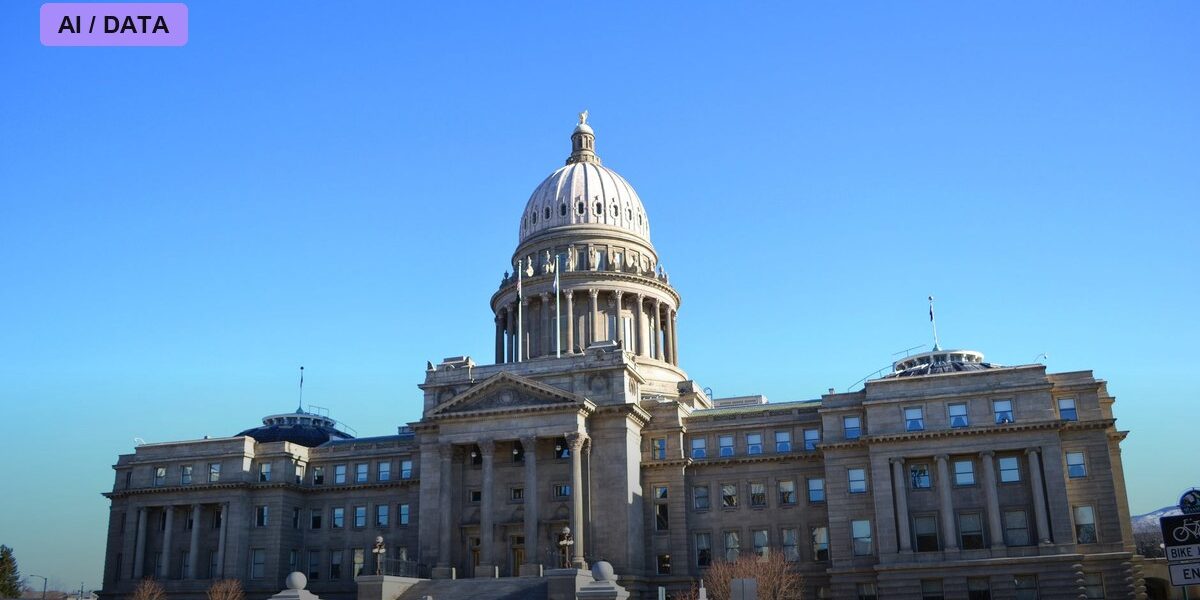
Photo: Brett Sayles / PEXELS via Pexels