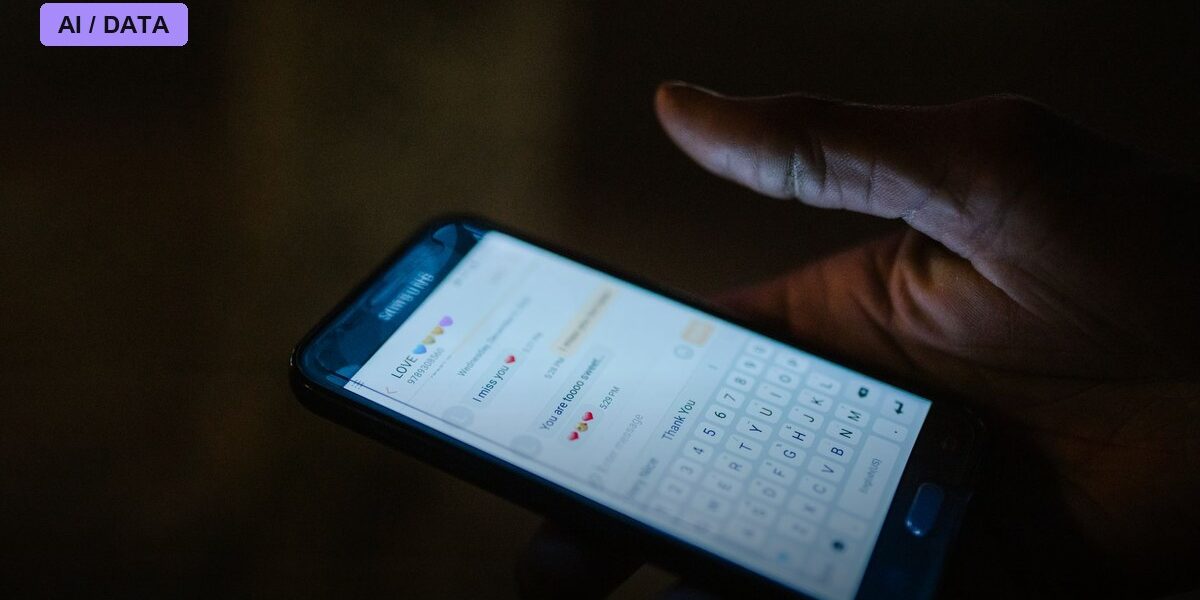
A survey of 584 adults published in the journal Cyberpsychology, Behavior, and Social Networking found that roughly 29% had used general-purpose AI tools like ChatGPT or Gemini for mental health support, with people experiencing the most severe psychological distress the most likely to turn to these tools, according to reporting on the study published in mid-November. The findings point to widespread, largely informal use of consumer AI chatbots for emotional support that exists entirely outside the formal mental health care system, raising questions neither clinicians nor regulators have fully caught up with.
Why people are turning to general chatbots rather than dedicated apps
Unlike purpose-built mental health apps such as Headspace’s AI companion or dedicated therapy chatbots, which are designed and tested specifically for emotional support use cases, general-purpose tools like ChatGPT were never built with mental health conversations as a primary design goal. Their appeal appears to stem largely from accessibility and cost: they are free or low-cost, available instantly at any hour, and carry none of the scheduling friction or stigma some people associate with seeking formal therapy, making them a low-barrier first stop for people in distress regardless of whether the tool was designed for that purpose.
The distress-severity finding is the most striking result
The survey’s finding that people with the most severe distress were the most likely to use general AI chatbots for support is particularly notable, since it suggests the people potentially most at risk from inadequate or inappropriate AI responses are also the ones most likely to be relying on tools not designed or validated for that purpose. That pattern echoes concerns raised in a separate Nature Medicine safety evaluation of OpenAI’s dedicated ChatGPT Health feature, which found it failed to consistently trigger suicide-risk alerts and missed other scenarios a doctor would flag as emergencies, even though it performed better on textbook physical emergencies like allergic reactions and strokes.
What dedicated mental health AI tools show by comparison
Purpose-built mental health apps have produced more encouraging, though still mixed, evidence: a Harvard Business School-affiliated randomized trial of the Flourish app found improvements in emotional and social well-being among college students, though not in specific symptoms like anxiety or depression, while a Mexican randomized study of the Mindsurf app found mental health improvements of about 0.29 standard deviations sustained over six months even after app usage itself declined. Both results suggest some benefit from structured AI mental health tools, even as researchers caution that waitlist-based trial designs cannot fully rule out that benefits stem simply from having an engaging interactive tool rather than any specific therapeutic mechanism.
The case for concern versus the case for access
Mental health advocates worried about AI’s growing informal role argue that general chatbots lack the clinical training, escalation protocols, and liability structures that govern licensed therapists, and that reliance on unvalidated tools by the most distressed users represents a genuine safety gap rather than simply a harmless convenience. Others counter that for many people, the realistic alternative to an imperfect AI chatbot is not a licensed therapist but no support at all, given persistent shortages of mental health providers and long waits for appointments in much of the United States, making even an imperfect AI conversation partner a net positive for some users.
What’s next
Expect continued academic scrutiny of both general-purpose and purpose-built AI tools’ mental health performance, alongside likely regulatory attention given how directly this intersects with ongoing lawsuits against AI chatbot makers over harm to vulnerable users, including minors. Companies building general AI assistants will face growing pressure to either explicitly discourage mental health use cases they were not designed for, or to build in the kind of crisis-detection and escalation features that dedicated mental health tools are increasingly expected to include as a baseline safety requirement.
Photo: RDNE Stock project / PEXELS via Pexels