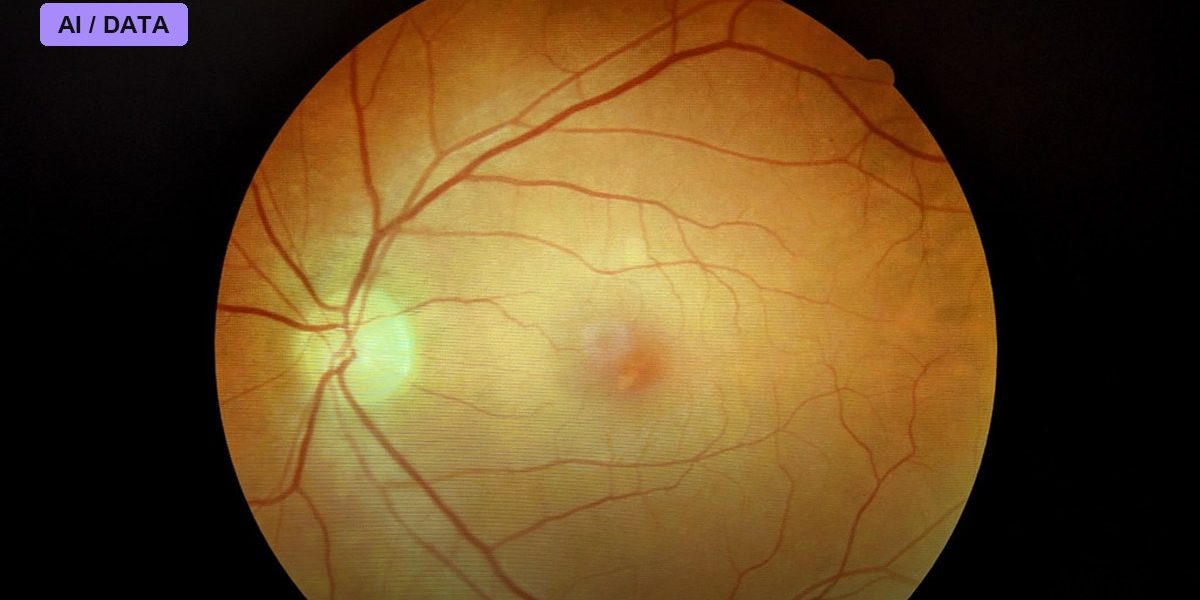
One of the leading causes of preventable blindness is diabetic retinopathy — and the cruel part is that it’s catchable early, if someone looks. The problem has always been access to that someone. In 2026, autonomous AI is closing the gap, reading a patient’s retinal images during an ordinary primary-care visit and delivering a result in minutes, without an eye specialist in the room.
How it works
A technician captures images of the back of the eye with a fundus camera, and an FDA-cleared AI system analyzes them on the spot. Three autonomous systems are now cleared in the U.S. — LumineticsCore, EyeArt and AEYE-DS — trained on millions of retinal photographs to spot the microaneurysms, hemorrhages and swelling that signal disease. The patient gets an answer before they leave.
Why “autonomous” matters
These systems return a diagnostic result on their own, rather than just flagging images for a doctor to review later. That collapses a referral-and-wait process — often the point where patients drop off — into a single appointment. For people who never make it to an eye clinic, the screening now comes to them.
The accuracy
Performance is strong: studies put diagnostic sensitivity around 92–93% and specificity near 89–94%, with one system reporting it can screen using a single image per eye. Good enough to reliably catch who needs to see a specialist — which is exactly the job at this stage.
The 2026 turning point
What changed this year is money. Autonomous AI screening is now reimbursable in the U.S. under a dedicated CPT code (92229), which means clinics get paid to run it. Reimbursement is what turns a promising technology into a routine one, and it’s why these scans are spreading into primary care and pharmacies.
The caveat
AI screening flags risk; it doesn’t treat. A positive result still routes a patient to an ophthalmologist, and edge cases — poor image quality, unusual presentations — need human eyes. The technology widens the funnel of who gets checked; it doesn’t replace the specialist at the end of it.
Why it matters
Blindness from diabetes is largely preventable when caught early, and the barrier has always been getting people screened. By putting an expert-level check at the front line of care — and getting insurers to pay for it — AI is quietly turning a missed opportunity into a routine one. That’s the kind of AI win that shows up not in headlines, but in eyesight saved.