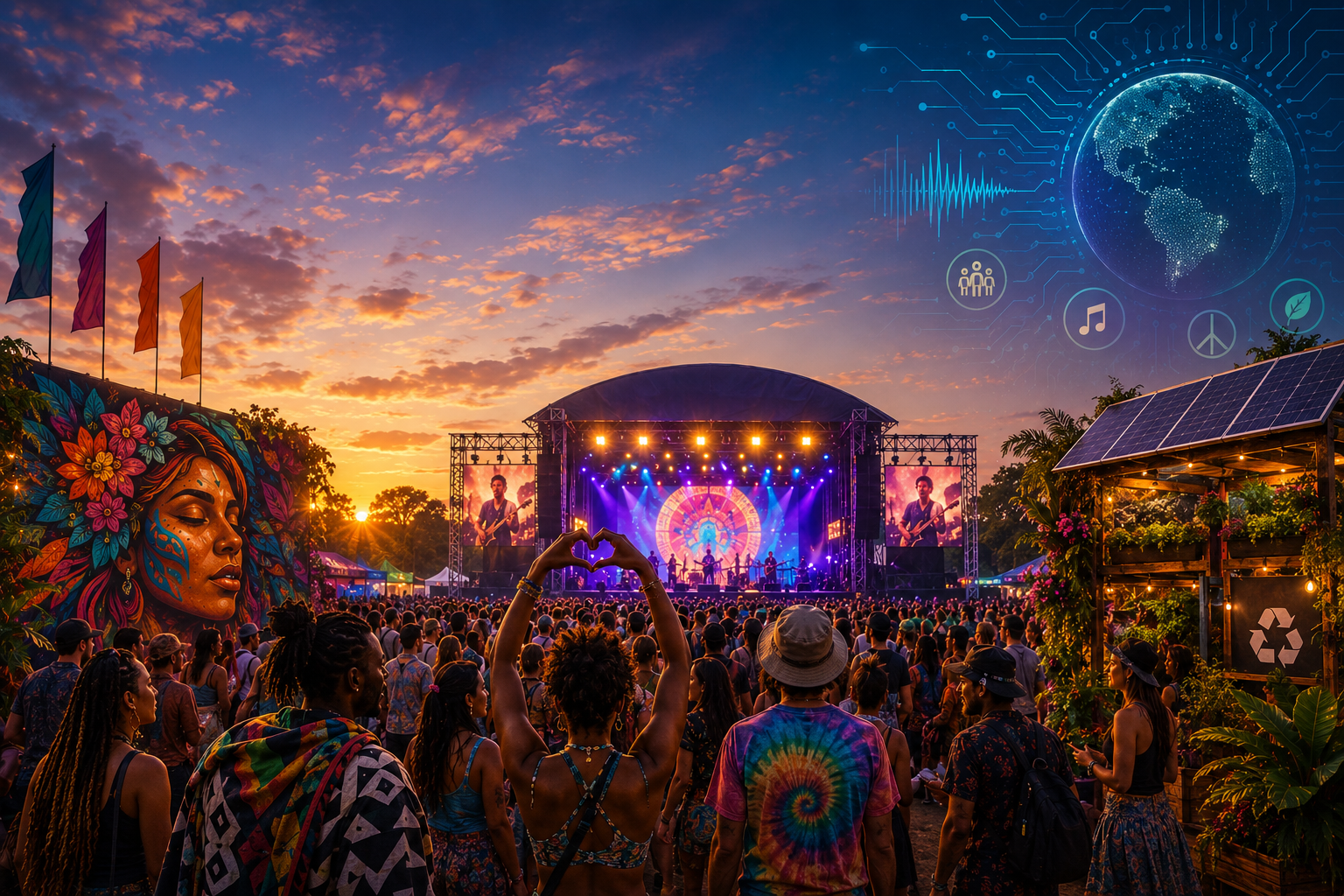
The music festival landscape has undergone a significant transformation in recent years, driven by technological advancements and shifting audience expectations. Gone are the days of dusty tents and bland sound systems; today’s festivals are immersive experiences that blur the lines between art, technology, and community.
What Changed
The key driver behind this evolution is the increasing adoption of AI-powered tools and data-driven strategies in festival planning and execution. Festival organizers are now leveraging AI to optimize logistics, enhance attendee experience, and create more engaging content. For instance, some festivals have implemented AI-driven stage scheduling algorithms that minimize sound system usage and maximize artist exposure.
Another significant development is the rise of VR and AR experiences at music festivals. Artists and producers are using these technologies to push the boundaries of immersive storytelling, creating interactive environments that allow attendees to engage with music in new and innovative ways.
Specs & Features
Festivals like Tomorrowland and Ultra Music Festival have introduced AI-powered ticketing systems that use machine learning to predict attendee behavior and optimize crowd flow. These systems can detect anomalies in attendance patterns, allowing organizers to make real-time adjustments to minimize congestion and maximize the overall experience.
Other notable features include:
- AI-driven sound system optimization: Some festivals are using AI to analyze sound waveforms and optimize speaker placement for maximum clarity and minimal distortion.
- Personalized recommendations: Festivals like Coachella now offer personalized artist recommendations based on attendees’ musical preferences, helping them discover new acts and experiences.
- Virtual reality art installations: Some festivals have incorporated VR art installations that allow attendees to explore immersive environments and interact with music in innovative ways.
How It Compares
The evolution of music festivals has significant implications for the music industry as a whole. As AI-driven experiences become more prevalent, traditional music venues and festivals may struggle to compete, leading to a shift towards more immersive and interactive experiences.
This trend also highlights the growing importance of data-driven decision making in festival planning. By leveraging AI and data analytics, organizers can create more engaging and efficient experiences that meet the evolving expectations of attendees.
What It Means for Users
The fusion of music, technology, and community at modern music festivals offers a glimpse into the future of live events. As AI-driven tools become increasingly integrated into festival planning, attendees can expect more personalized, immersive, and engaging experiences that blur the lines between art, technology, and human connection.
Closing
Festivals like Tomorrowland and Ultra Music Festival will continue to push the boundaries of music festivals as cultural identity hubs. As AI-driven tools become more prevalent, attendees can expect even more immersive and engaging experiences that redefine the concept of live events.