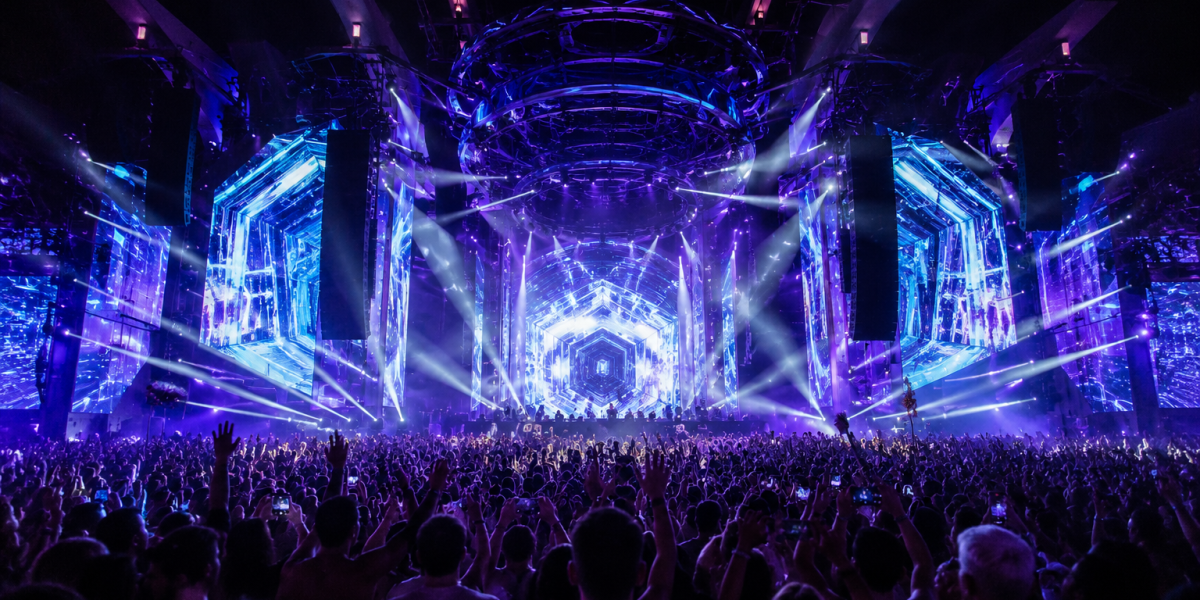
The music festival landscape has undergone significant transformations in recent years, driven by the convergence of technology and art. Gone are the days of dusty fields and makeshift stages; today’s festivals boast cutting-edge production values, immersive experiences, and a strong emphasis on community building.
What Changed?
Several factors have contributed to this evolution: advances in audio-visual technology, the rise of social media, and the increasing importance of experiential marketing. Festivals like Tomorrowland, Ultra Music Festival, and Coachella have become behemoths, attracting hundreds of thousands of attendees each year.
The integration of augmented reality (AR) and virtual reality (VR) has also changed the game. Festivals are now using these technologies to create immersive experiences that blur the lines between physical and digital worlds.
Specs and Features
- Tomorrowland’s AR app uses computer vision to provide attendees with interactive information about performers, stages, and attractions.
- Ultra Music Festival features a massive VR installation that allows users to explore virtual environments inspired by the festival itself.
- Coachella has incorporated AI-powered sound systems that adjust audio levels in real-time based on crowd density and other factors.
How it Compares
Other festivals, such as Glastonbury and Bonnaroo, have also begun to incorporate similar technologies. However, the pace of innovation varies significantly between events.
While some festivals focus on creating an immersive atmosphere through music, art, and food, others prioritize cutting-edge production values and tech-savvy attendees.
What it Means for Users
The evolution of music festivals has significant implications for both attendees and the wider cultural landscape. As technology becomes increasingly integrated into festival experiences, we can expect to see new forms of artistic expression, community engagement, and experiential marketing.
Festival-goers will have access to more immersive, interactive, and personalized experiences than ever before. However, this also raises concerns about data collection, surveillance, and the commodification of cultural identity.