WearOptimo is unveiling new AI-native wearable sensing technology at the Abu Dhabi Future Health Summit, running October 20 through 22, built around what the company calls a Microwearable interface that reaches just a hair’s width into the skin to capture multi-frequency, multi-channel bioimpedance signals, paired with an AI engine still under active development.
Why Going Slightly Under the Skin Changes What’s Measurable
Most consumer wearables, including smartwatches and fitness bands, rely on optical and surface-level electrical sensors that sit entirely outside the skin, a design that limits the precision and range of physiological signals they can capture compared to sensors with more direct tissue access. WearOptimo’s approach, penetrating only a hair’s width into the skin rather than requiring a more invasive implant, aims to capture richer bioimpedance data, which can reflect hydration levels, tissue composition, and other physiological markers with more fidelity than surface sensors typically achieve, while still avoiding the regulatory and comfort tradeoffs of a fully implanted device.
What ‘AI-Native’ Means for This Device
WearOptimo describes its AI engine as still being developed alongside the hardware itself, suggesting the company is building its machine learning models in tandem with the novel sensor modality rather than retrofitting AI analysis onto an already-finalized hardware platform, an approach that could allow tighter co-optimization between what the sensor physically measures and what the AI model is trained to interpret from that data. This contrasts with many existing wearable AI features, which have been added as software layers on top of sensor hardware originally designed for simpler, non-AI use cases.
Why the Abu Dhabi Venue Matters
The Abu Dhabi Future Health Summit has emerged as a significant venue for health technology companies to showcase next-generation devices to a Gulf region healthcare market that has invested heavily in importing and piloting advanced medical and wellness technology, giving WearOptimo access to potential institutional buyers and investors beyond its home market. Unveiling at an international summit rather than a company-specific launch event also signals the device remains in a research and demonstration phase rather than an imminent consumer product.
The Technical and Regulatory Hurdles That Remain
Any wearable device that breaks the skin barrier, even minimally, typically faces more rigorous regulatory scrutiny than purely external sensors, requiring demonstrated safety data around skin irritation, infection risk, and long-term wear tolerability before it could reach consumer or even clinical markets at scale. WearOptimo has not disclosed a specific regulatory pathway or timeline for the device, consistent with its current positioning as an early-stage technology demonstration rather than a near-term product launch.
How This Fits the Broader Wearable AI Race
WearOptimo’s unveiling arrives amid intensifying competition in AI-driven wearable health monitoring, with Google’s new Health Guardian suite bringing passive blood pressure and insulin resistance tracking to Fitbit and Samsung’s Health Assistant drawing on multiple data streams within Samsung Health, suggesting the entire category is racing to extract richer physiological insight from increasingly sophisticated sensor hardware paired with AI interpretation.
What’s Next
Watch for any published validation data following the Abu Dhabi unveiling that demonstrates the Microwearable sensor’s accuracy against established clinical measurement methods, which would be the clearest signal of whether the underlying bioimpedance approach delivers meaningfully better data than existing surface-level wearables. WearOptimo’s next steps toward a defined regulatory pathway will also indicate how close the technology is to any real-world deployment beyond the demonstration stage.
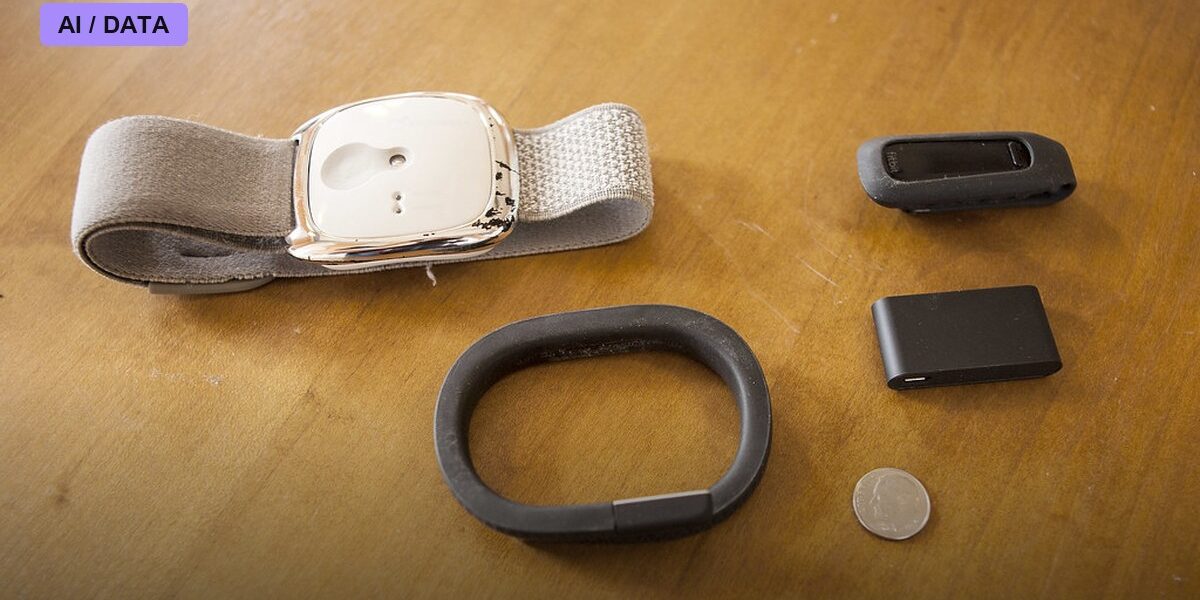
Photo: juhansonin / BY via flickr