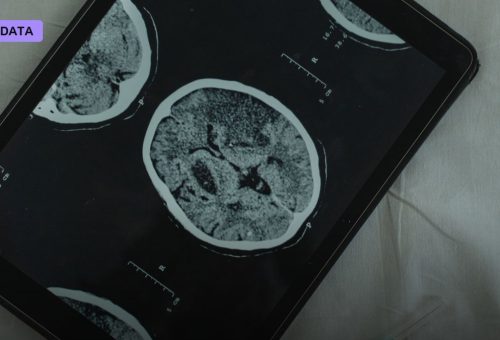
Aidoc, an Israeli medical-imaging AI company, said the FDA cleared an expansion of its BriefCase triage software on January 21, 2026, adding 11 new acute-finding indications built on its CARE foundation model and bringing the system’s total to 14 indications running inside a single CT workflow. The company says it is the first time the FDA has cleared a double-digit set of acute indications powered by one foundation model rather than a collection of narrow, single-purpose algorithms, a distinction that matters as hospitals try to avoid stacking dozens of separate point tools onto their imaging systems.
From Single-Task Tools to a Foundation Model
Most AI clearances in radiology to date have covered one condition at a time: a tool that flags a brain bleed, another that flags a pulmonary embolism, and so on. Aidoc’s CARE model is trained to recognize patterns across a broad set of acute findings from the same CT scan, and the company’s pivotal study submitted to the FDA reported a mean sensitivity of 97% across the 11 new indications, reaching as high as 98.5% for some findings, with a mean specificity of 98%, reaching up to 99.7%. Those 11 new indications join three that Aidoc’s BriefCase platform already had clearance for, covering conditions such as intracranial hemorrhage, pulmonary embolism, and cervical spine injury.
Why Fewer False Alarms Matters
Aidoc says the consolidated model produces roughly ten times fewer false alerts than relying on a stack of separate single-condition tools, a claim based on the company’s own testing rather than independent replication. Alert fatigue is a well-documented problem in radiology departments that have adopted multiple AI tools piecemeal, with each one generating its own stream of notifications; a single model triaging many conditions at once is pitched as a way to cut through that noise while still catching urgent findings fast enough to move them up a radiologist’s reading queue.
A $150 Million Round Follows the Clearance
Three months after the FDA expansion, Aidoc closed a $150 million Series E in late April 2026, led by Goldman Sachs Alternatives with participation from General Catalyst, SoftBank Investment Advisors, and NVIDIA’s venture arm, NVentures. The round pushed Aidoc’s total funding past $500 million, a sharp climb for a company that had raised a $66 million Series C back in 2021. Aidoc said the new capital would go toward expanding CARE’s indication list further, building automated draft-reporting features, and growing internationally.
Scale Across Nearly 2,000 Hospitals
Aidoc says its software now analyzes roughly 60 million patient scans a year across close to 2,000 hospitals worldwide, a scale that has made it one of the most widely deployed AI vendors in radiology. That installed base is part of what investors are betting on: rather than selling a new point solution into each hospital, Aidoc can expand an existing customer’s usage simply by turning on additional indications within the same CARE model, a lower-friction sales motion than convincing a hospital to adopt an entirely new vendor.
The Competitive and Regulatory Backdrop
Aidoc is not alone in chasing broader, foundation-model-based imaging AI. RadNet subsidiary DeepHealth, Viz.ai, and several academic medical centers have all pursued multi-indication or foundation-model approaches to imaging triage over the past year, and the FDA’s cleared AI device count has crossed roughly 1,450, the large majority of them in radiology. That crowding raises a practical question for hospital buyers: whether to consolidate around one vendor’s foundation model across many conditions, as Aidoc is proposing, or to keep best-of-breed point tools from different vendors for each specific finding.
Open Questions About Validation
Radiologists who have welcomed the expanded clearance also note that FDA 510(k) clearance, the pathway Aidoc used, relies on a company’s own pivotal study data and is generally a lower bar than the premarket approval process required for the highest-risk devices. Some clinical researchers argue that sensitivity and specificity figures generated in a company-run pivotal study do not always hold up once software is deployed across the varied scanner hardware, patient populations, and imaging protocols found in different hospitals, and have called for more independent, multi-site validation of foundation-model triage tools before they are relied upon at the scale Aidoc is now operating.
What’s Ahead
With fresh capital and a broadened FDA clearance in hand, Aidoc’s next test will be whether real-world performance across its nearly 2,000 hospital customers matches its pivotal-study numbers, and whether rivals racing toward their own multi-indication foundation models can catch up before Aidoc’s installed base becomes difficult to dislodge.
Photo: janeb13 / PIXABAY via Pixabay