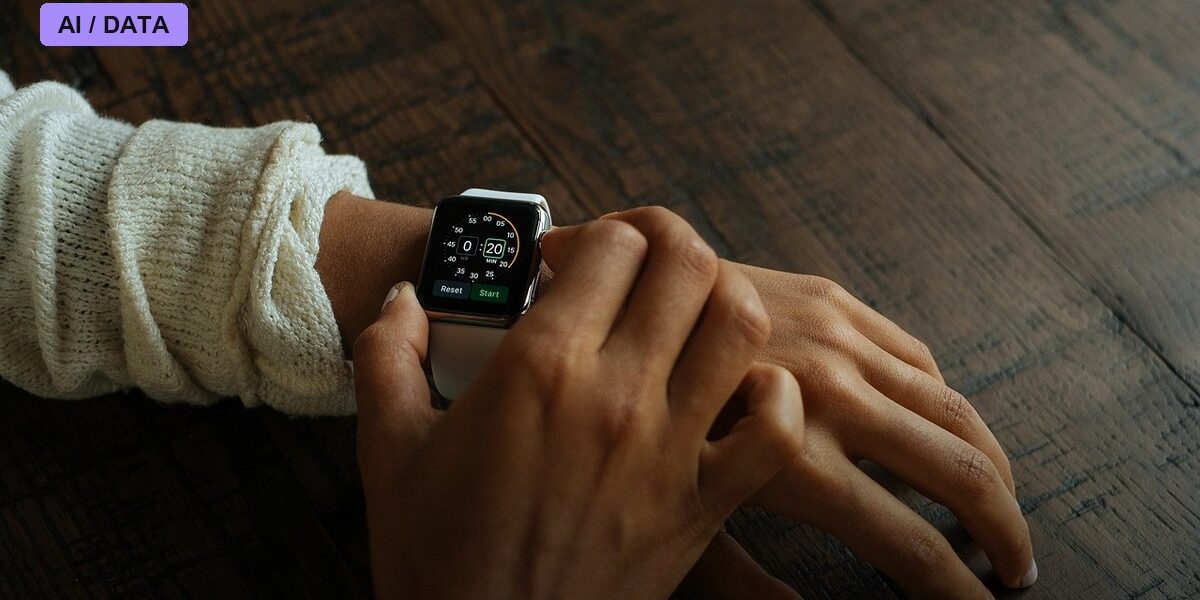
Apple is preparing to roll out a redesigned Health app for iPhone and iPad, according to reports from November 11, featuring a new Longevity tab, AI-generated Insights, and AI-powered movement evaluations built using Apple Intelligence. The update would mark one of the most substantial overhauls to Apple’s health platform since its original launch, extending the company’s broader Apple Intelligence push into an app already used by hundreds of millions of iPhone owners.
The redesign follows a pattern Apple has pursued more broadly across its hardware and software lineup this year, applying AI-driven analysis to data the company already collects from Apple Watch and iPhone sensors, rather than requiring users to adopt new dedicated health hardware to benefit from AI features.
What a Longevity tab might actually offer
While exact feature details remain unconfirmed ahead of the full rollout, a Longevity-focused section suggests Apple is positioning the redesigned Health app around long-term healthy aging trends rather than purely daily fitness metrics — a framing that mirrors moves by competitors like Oura, which has built features analyzing biological age indicators from wearable data, and reflects broader consumer interest in longevity-focused health tracking that has grown alongside increased public attention to research on aging and metabolic health.
Apple’s broader health and AI integration strategy
Apple separately announced in September that it was advancing health and fitness capabilities using Apple Intelligence, suggesting the redesigned Health app with its Longevity tab represents a continuation of that announced direction rather than an entirely new initiative. By building these features directly into software that ships standard on every iPhone and iPad, Apple avoids the adoption friction that separate wearable health apps face, since users don’t need to purchase additional hardware to access at least some of the new AI-driven features.
How this compares to the broader wearable health AI race
Apple’s move lands amid intense competitive activity in consumer health AI: Google has rebranded its Fitbit app as Google Health and introduced a Gemini-based health coach alongside the $99 screenless Fitbit Air tracker, Ultrahuman has rolled out its Emerald AI update and new Ring PRO, and Redwood City-based HEALBE has launched a new metabolic and stress-scoring app for its device ecosystem. Apple’s advantage in this race is its existing Apple Watch user base and the deep integration possible between its own hardware sensors and software, something third-party health apps generally can’t replicate as seamlessly.
The privacy and accuracy questions
AI-powered movement evaluations and longevity-related insights raise familiar questions about both data privacy — given how sensitive health data is — and underlying accuracy, particularly since consumer wellness features generally face lighter regulatory scrutiny than clinically validated medical devices. Apple has historically emphasized on-device processing for health data as a privacy differentiator, and how the redesigned Health app handles this balance for its new AI features will likely draw scrutiny from privacy researchers once the update ships.
What clinicians and researchers will be watching
Health researchers have generally welcomed increased consumer access to longitudinal health data analysis, while cautioning that AI-generated longevity insights drawn from consumer wearable sensors remain fundamentally different from clinically validated biomarkers of aging, which typically require blood-based or more sophisticated physiological testing beyond what a smartphone or watch sensor can capture.
What’s next
The redesigned Health app is expected to roll out in the coming months, and its reception will likely hinge on how accurately and usefully the new Longevity tab and AI-generated Insights perform in practice, compared to the admittedly high expectations Apple has set with its broader Apple Intelligence marketing push throughout the year.
Photo: fancycrave1 / PIXABAY via Pixabay