An autonomous AI triage system deployed across UK dermatology clinics freed up approximately 8,500 appointments by automatically screening and prioritizing suspicious skin lesions, according to results reported October 2, 2026. The system represents one of the largest real-world deployments of autonomous AI, meaning the software makes triage decisions without a clinician reviewing every case, in the National Health Service’s ongoing effort to manage a skin cancer referral backlog that has grown as melanoma rates have climbed and the specialist dermatologist workforce has struggled to keep pace.
How the Triage System Actually Works
Patients referred by general practitioners for suspicious moles or lesions have their cases, typically including dermoscopic images, run through an AI model trained to distinguish low-risk lesions from those requiring urgent specialist review. Cases the AI classifies as very low risk can be discharged or scheduled for routine monitoring without ever occupying a dermatologist’s appointment slot, while the system flags higher-risk cases for expedited specialist review, a triage approach intended to compress the time between referral and treatment for the patients who need it most urgently.
Why the NHS Needed This Specifically for Dermatology
Skin cancer referrals in the UK have grown substantially faster than the dermatology workforce, driven partly by rising melanoma incidence and partly by increased public and GP awareness leading to more referrals for lesions that ultimately prove benign. That mismatch has produced some of the longest specialist waiting times in the NHS system, a problem dermatology was seen as particularly well suited to address with AI because dermoscopic image classification is a task where machine learning models have shown strong performance in peer-reviewed studies over the past several years.
The Autonomy Question That Makes This Deployment Notable
Most AI tools in clinical use function as decision support, presenting a recommendation that a human clinician reviews before acting, but this triage system operates with a degree of autonomy, making discharge decisions on low-risk cases without a dermatologist examining each one individually. That design choice is precisely what has allowed the system to free up thousands of appointment slots, since the time savings come from removing clinician review entirely from a subset of cases rather than merely speeding up how quickly a clinician can review each case.
How Physicians and Medical Societies Have Responded
The deployment arrives alongside broader pushback from medical societies, which have argued publicly that AI diagnostic tools remain valuable but that physician expertise stays essential, a position reflecting ongoing debate within medicine about how much clinical decision-making authority should shift to autonomous systems even when those systems demonstrate strong accuracy in controlled studies. Dermatologists involved in the NHS program have described the tool as a capacity-management solution for low-risk cases specifically, rather than a wholesale replacement for specialist judgment across the full range of skin conditions patients present with.
What the Evidence Shows and What Remains Uncertain
NHS officials have pointed to the 8,500 freed appointments as evidence the system is working as intended, though independent long-term outcome data, specifically whether patients discharged by the AI are later found to have had cancers the system missed, will take longer to accumulate and will be critical to validating the approach beyond its immediate capacity benefits. Critics of rapid AI deployment in diagnostic settings have urged continued close monitoring of false-negative rates, arguing that capacity gains should not come at the cost of delayed diagnoses for the small number of cases any AI system is likely to misclassify.
What’s Next
The NHS has indicated it is evaluating whether similar autonomous triage approaches could be extended to other high-volume, image-based specialties facing comparable capacity constraints, though officials have said any expansion would depend on continued monitoring of the dermatology program’s real-world accuracy over a longer period. With skin cancer referral volumes expected to keep climbing, the dermatology triage program’s performance over the coming year is likely to serve as a bellwether for how much autonomous decision-making UK health authorities are willing to extend to AI across other areas of specialist medicine.
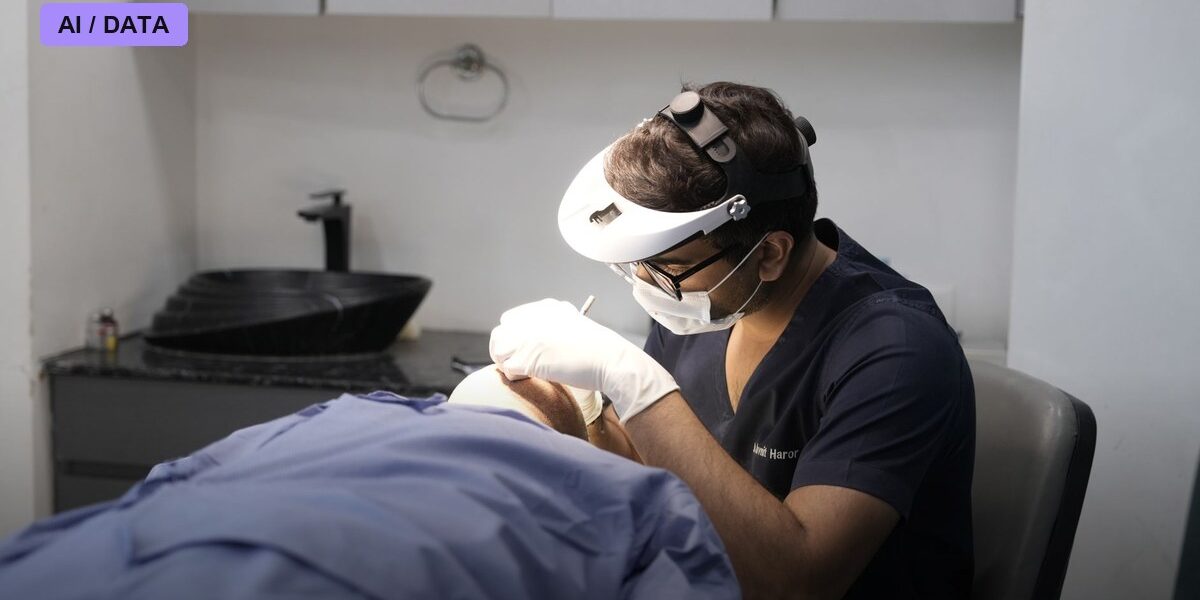
Photo: Dr. Haror’s Wellness / PEXELS via Pexels