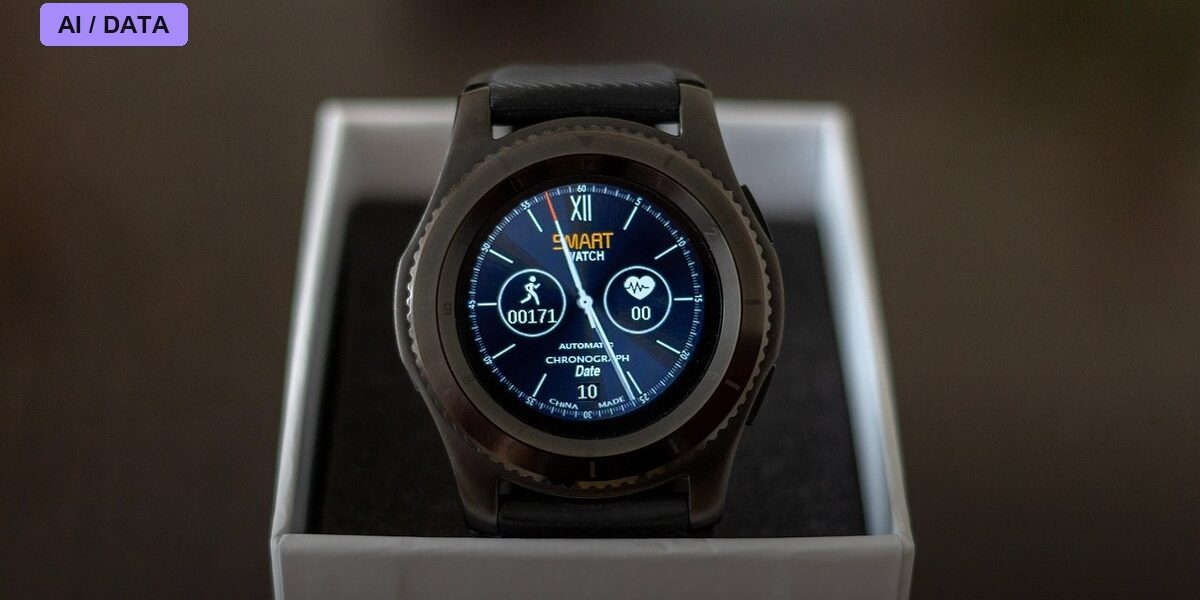
PulseAI, a Belfast-based cardiac AI company founded in 2019 by Dr. Alan Kennedy, announced FDA 510(k) clearance on November 5, 2026, for an AI model that analyzes arrhythmia data captured by consumer wearable devices, part of a steady stream of narrow, specialized clearances reshaping how patients and doctors use everyday wearables for heart monitoring. The company says its algorithm addresses one of the most persistent frustrations with wearable ECG features: the frequent ‘inconclusive’ readings that leave patients and clinicians without a usable answer.
The Study Behind the Claim
PulseAI’s clearance rests on a 296-person study examining atrial fibrillation detection in a cardiac-procedure patient cohort, in which the company says its algorithm reduced inconclusive Apple Watch ECG readings by 92% compared with the device’s built-in analysis. Because the study focused specifically on AF detection within a cardiac-procedure population rather than the full range of arrhythmias or wearable devices on the market, the clearance’s practical scope is narrower than the company’s public framing might suggest, a distinction independent reviewers have flagged when assessing the result.
How the Technology Actually Works
Rather than running entirely on-device, PulseAI’s system uploads ECG recordings to the cloud for analysis and returns structured, clinician-ready results for review, a workflow designed to plug into existing compatible ECG hardware and software rather than requiring a new standalone device. That cloud-based architecture lets PulseAI update and improve its underlying model without requiring new hardware in patients’ hands, though it also means the system depends on connectivity and data-sharing infrastructure that purely on-device approaches avoid.
Why Wearable ECG Accuracy Matters
Consumer wearables have offered basic ECG and heart-rhythm tracking for several years, but clinicians have long cautioned that built-in algorithms frequently produce inconclusive or ambiguous results, undermining confidence in the feature for patients managing conditions like atrial fibrillation who rely on these devices for ongoing monitoring between formal medical visits. A tool that meaningfully reduces the inconclusive-result rate addresses a genuine clinical pain point rather than merely adding a marginal accuracy improvement to an already-functional system.
The Case for Rapid Clinical Adoption
Supporters of fast-tracking tools like PulseAI’s argue that reducing inconclusive wearable ECG readings directly improves patient care by giving both patients and physicians more actionable information without requiring additional clinic visits or dedicated medical-grade ECG equipment, extending meaningful cardiac monitoring capability to the hundreds of millions of people who already own compatible smartwatches.
The Caution Around a Narrow Study Population
Critics note that a 296-person study conducted within a cardiac-procedure cohort, a population already under close medical supervision and likely to show more pronounced AF episodes than the general wearable-wearing public, may not generalize cleanly to the broader population of healthy or lower-risk individuals who make up the bulk of smartwatch ECG feature users. This camp argues broader, more representative validation studies will be needed before the 92% reduction figure can be treated as a reliable expectation for general consumer use.
What’s Next
Kennedy has said PulseAI’s immediate focus is integrating the newly cleared capability into actual consumer and clinical devices and platforms, meaning the real-world test of the technology’s value will come once it reaches wider deployment beyond the controlled study population. How quickly device makers and health systems adopt the cleared algorithm, and whether post-market data confirms the reduction in inconclusive readings holds up in general use, will determine whether PulseAI’s clearance becomes a meaningful shift in wearable cardiac monitoring or remains a narrow clinical niche tool.
Photo: ArturLuczka / PIXABAY via Pixabay