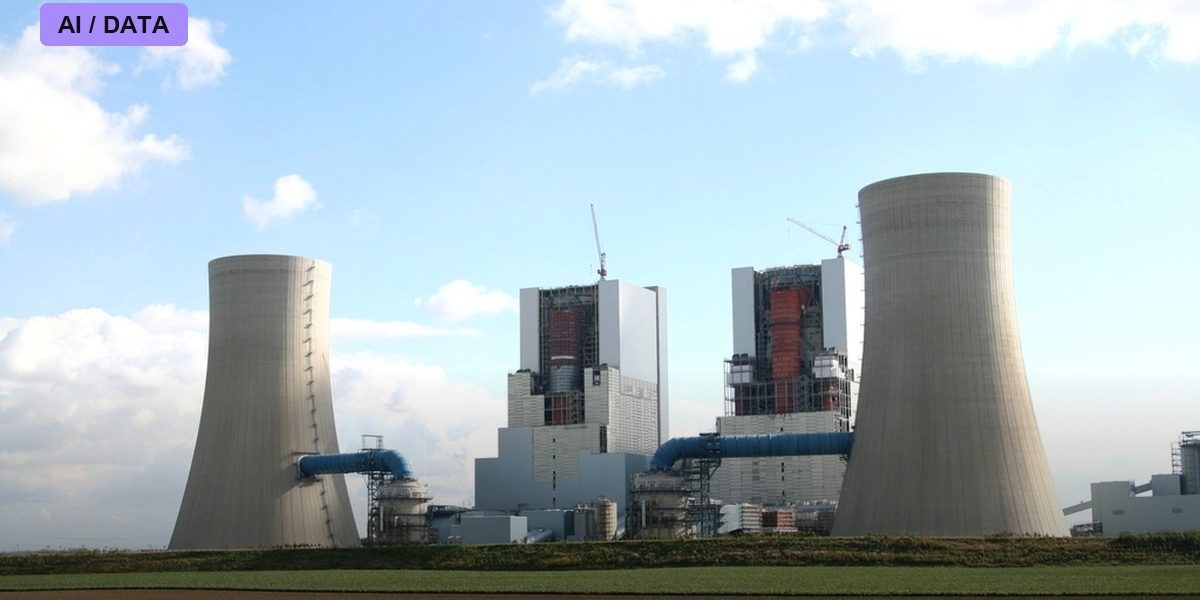
Artificial intelligence has an energy problem, and Big Tech’s answer is increasingly atomic. As AI data centers devour electricity at unprecedented rates, the world’s largest technology companies are turning to nuclear power — striking multi-gigawatt deals to revive old reactors and fund new ones. The AI boom is quietly becoming a nuclear renaissance.
Why AI needs so much power
Training and running large AI models consumes staggering amounts of electricity. A single large AI data center can draw as much power as a small city, and the buildout is accelerating. The grid was not designed for this surge, and renewables alone — intermittent by nature — cannot guarantee the round-the-clock power AI demands. That has sent tech giants hunting for firm, carbon-free baseload electricity. Nuclear fits perfectly.
The deals piling up
The commitments are enormous. Meta signed agreements for more than 6 gigawatts of nuclear capacity, partnering with operators including Vistra and next-generation developers like Oklo and TerraPower. Amazon committed roughly $650 million to a data-center campus powered by the Susquehanna nuclear plant. And Microsoft struck a landmark deal to restart a reactor at Three Mile Island — the site of America’s most infamous nuclear accident — dedicating its output to AI operations. Reviving Three Mile Island for AI is the symbolic heart of the story.
Old reactors, new reactors
The strategy runs on two tracks. In the near term, tech firms are reviving or extending existing reactors that can deliver power now. Longer term, they are funding small modular reactors (SMRs) and advanced designs from companies like Oklo and TerraPower — smaller, faster-to-build plants that could be sited near data centers. The bet is that AI’s deep pockets can finally make next-gen nuclear commercially real.
Why it matters
This is a genuine turning point for nuclear energy. After decades of stagnation, the industry has found a deep-pocketed customer with insatiable demand and a need for clean, reliable power. If the deals deliver, AI could underwrite the nuclear revival that climate goals have long needed — funding reactors that also help decarbonize the grid.
The challenges
Nuclear is slow and hard. New plants take years and face regulatory, cost and public-acceptance hurdles, and even reactor restarts require approvals and upgrades. SMRs remain largely unproven at commercial scale. There is a real risk AI’s power demand outpaces nuclear’s ability to deliver, forcing reliance on gas in the interim. Reviving a site like Three Mile Island also reignites old safety debates.
The bottom line
To feed AI’s voracious appetite for power, Big Tech is going nuclear — with Meta, Amazon and Microsoft leading multi-gigawatt deals that span reactor revivals and next-gen designs. It is a bet that atomic energy can power the AI era cleanly and reliably. If it works, AI may end up doing what decades of policy could not: bringing nuclear roaring back.
Photo: public domain via rawpixel