Your Next Government Form Might Be Handled by an AI Agent
Governments are moving AI from chatbots to agents that handle permits, benefits and inquiries — with Gartner predicting 80% will automate routine decisions by 2028, amid trust safeguards.
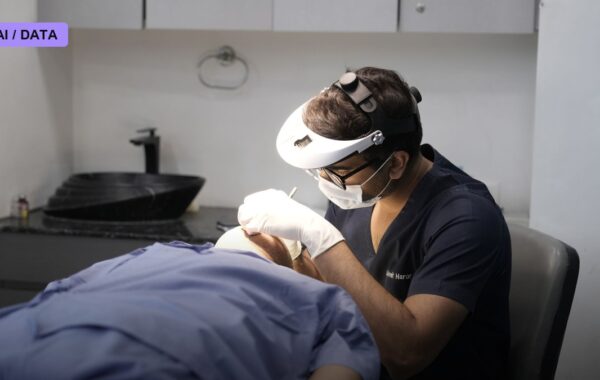
Ambient AI 'scribes' that listen to visits and draft the notes are saving physicians 2+ hours of charting a day — one of healthcare's fastest, most welcomed AI wins.
AI is accelerating science itself — DeepMind's GNoME has predicted 2.2 million new crystal structures, while smarter protein-design tools and autonomous labs speed discovery toward the clinic.
Millions use AI chatbots for emotional support, yet none are FDA-cleared for mental health. Now the FDA's advisers are weighing how to regulate therapy bots built on generative AI.
AI has hit a tipping point in insurance — collapsing underwriting from days to minutes and resolving claims 75% faster — but faster automated denials are stirring real concern.
Most companies now use AI somewhere in hiring — screening, sourcing, scheduling — but few have scaled it fully, as worries over bias and transparency keep humans in the loop.
More than 90% of lawyers now use at least one AI tool, reshaping legal work from contract review to research — saving time and lifting revenue, even as ethics worries linger.
From conversational assistants to agents that compare and buy for you, AI now shapes how most people shop — and retailers are pouring money in as it drives real revenue.
GitHub Copilot now has ~20 million users and writes about 46% of code for those who use it, with developers finishing tasks 55% faster — though trust gaps and bad suggestions remain.
AI fraud detection has become near-universal in banking — used by roughly 90% of institutions, intercepting 92% of fraud before approval and cutting false alarms by up to 60%.