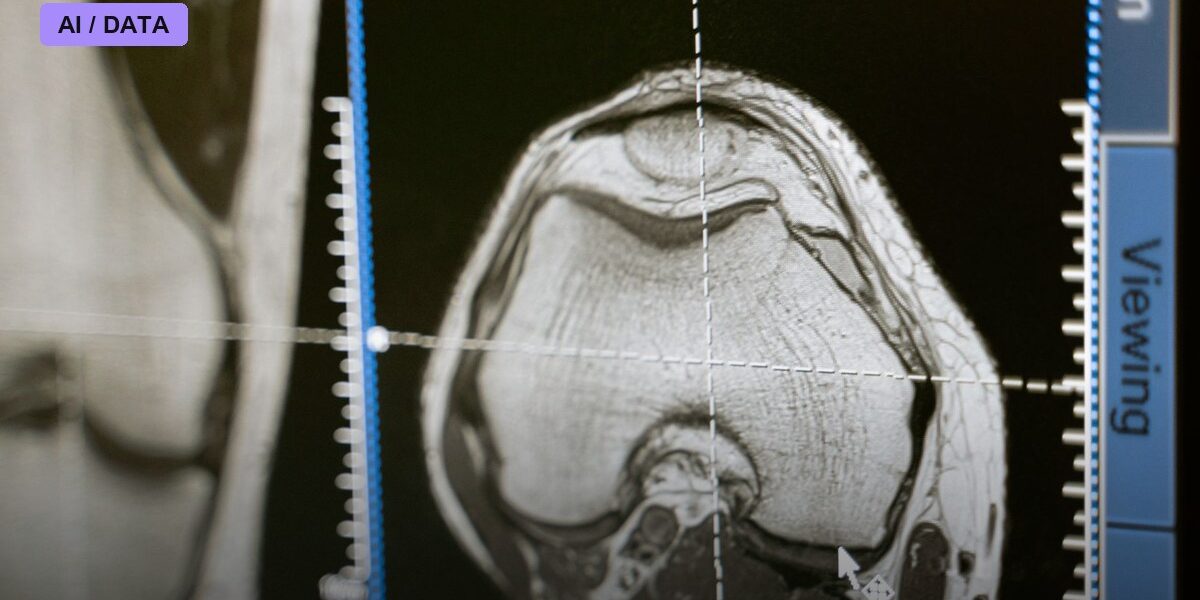
A new FDA-cleared AI tool called TumorSight Risk, developed by SimBioSys and running on Nvidia technology, can estimate the likelihood that a patient’s breast cancer will return, using only the breast MRI already taken as part of a patient’s initial diagnosis rather than requiring any additional scans or procedures, according to coverage that aired October 15.
Why Recurrence Risk Has Been So Hard to Predict
Oncologists have traditionally relied on a combination of tumor size, grade, hormone receptor status, and genomic testing panels to estimate a breast cancer patient’s recurrence risk, factors that provide useful but imperfect prognostic information and often leave patients and physicians facing genuine uncertainty about how aggressively to pursue additional treatment after initial surgery or chemotherapy. TumorSight Risk aims to add another data layer by extracting prognostic signal directly from imaging data that most patients already have on file, without the added cost or delay of a separate genomic test.
How the Tool Actually Works
SimBioSys built TumorSight Risk to analyze patterns within breast MRI scans using machine learning models trained to correlate specific imaging characteristics with eventual cancer recurrence outcomes, a technique sometimes called radiomics that treats medical images as a rich source of quantitative data rather than something radiologists interpret purely through visual inspection. Running the underlying models on Nvidia’s computing infrastructure allows the analysis to process complex 3D imaging data at a speed compatible with routine clinical workflows.
What FDA Clearance Actually Means Here
FDA clearance for a diagnostic or prognostic AI tool typically requires the developer to demonstrate the tool performs comparably to existing validated methods, though clearance does not necessarily mean the tool has been proven to improve patient outcomes directly, a distinction that matters as hospitals and oncologists decide how heavily to weight the tool’s output in actual treatment planning decisions. The FDA has separately been seeking broader public feedback on how to regulate generative AI-enabled medical devices, with that comment period closing October 19, suggesting tools like TumorSight Risk are entering the market as the broader regulatory framework around medical AI continues to evolve.
Where This Fits Among Other FDA-Cleared Cancer AI Tools
TumorSight Risk joins a growing list of FDA-cleared cancer imaging AI tools, including Optellum’s lung cancer risk stratification software, which recently became the first such tool to be both FDA-cleared and Medicare-reimbursed, and various AI-assisted mammography screening tools now used by a growing share of US radiology practices. Each addition to this category adds pressure on health systems to develop clear protocols for how AI-derived risk scores should actually influence clinical decision-making, rather than simply adding another number to a patient’s chart.
Skeptics Want to See Outcomes Data, Not Just Accuracy Data
Oncology researchers who study AI adoption caution that tools validated primarily on their ability to predict an outcome retrospectively still need prospective studies demonstrating that using the tool’s output to guide treatment decisions actually improves patient survival or quality of life, a higher bar that fewer AI diagnostic tools have cleared. Until such outcomes studies are published for TumorSight Risk specifically, some oncologists are likely to treat its risk scores as one additional data point rather than a decisive factor in treatment planning.
What’s Next
Watch for how quickly major cancer centers begin incorporating TumorSight Risk into standard post-diagnosis workflows, and for any published outcomes studies that go beyond the tool’s initial clearance data to assess real-world impact on treatment decisions and patient survival. The broader FDA framework for generative and AI-enabled medical devices, still being shaped through the recently closed comment period, will also influence how quickly similar tools reach clinical use going forward.
Photo: MART PRODUCTION / PEXELS via Pexels