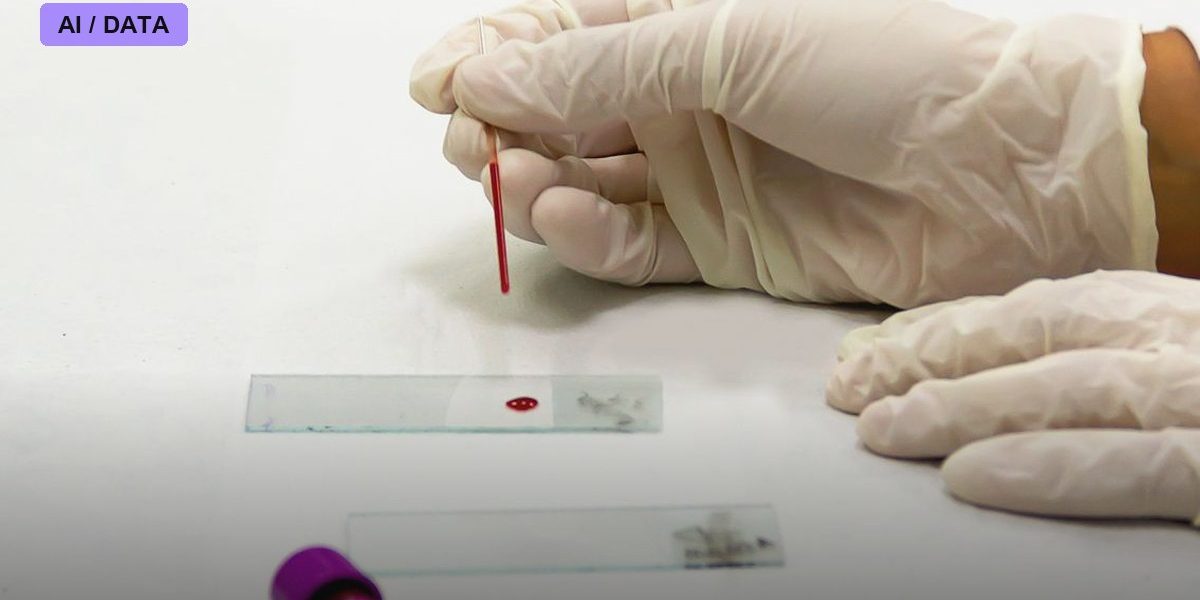
Hamamatsu Photonics received FDA 510(k) clearance on September 2, 2026 for its NanoZoomer S20MD and NanoZoomer S540MD whole-slide imaging scanners, giving clinical laboratories a second major hardware option for converting glass biopsy slides into digital images that AI diagnostic software can read. The clearance matters less for the hardware itself than for what it unlocks: pathology AI tools, several of which have already won their own separate FDA clearances over the past two years, are only useful in a lab that has scanners capable of producing high-resolution digital slides in the first place.
Why Scanner Clearance Is the Bottleneck Nobody Talks About
The AI-in-pathology story has mostly been told through the lens of the algorithms themselves, tools that flag cancer on a biopsy slide or generate a risk score from tissue images. But every one of those tools depends on a hospital lab first digitizing its physical glass slides into images the software can ingest, and until recently, Leica Biosystems’ Aperio line held an outsized share of the FDA-cleared scanner market in the United States. Hamamatsu’s clearance breaks that near-monopoly, giving hospital systems and reference labs a validated alternative when they build out or expand digital pathology infrastructure, potentially at a lower price point or with different throughput characteristics suited to high-volume labs.
What the Two Cleared Systems Actually Do
The NanoZoomer S20MD and S540MD are whole-slide imaging scanners designed for primary diagnostic use in clinical laboratories, not just research settings. They digitize glass slides at high resolution and throughput, batch-processing large volumes of slides so a pathology lab can convert its physical archive and daily incoming caseload into a searchable, AI-readable digital format. FDA clearance for primary diagnostic use, as opposed to a research-only designation, is the regulatory bar that determines whether a hospital pathologist can legally render an official diagnosis off the digital image rather than being required to also review the physical glass slide under a microscope.
The Slow Build-Out of Digital Pathology Infrastructure
Digital pathology has lagged years behind radiology’s AI adoption curve, largely because of exactly this infrastructure gap. Radiology images have been digital by default since the shift to picture archiving and communication systems, or PACS, decades ago, while pathology labs have historically operated on physical glass slides examined under a microscope, a workflow that required a completely separate, expensive scanning and storage build-out to digitize. As of 2026, the FDA’s AI/ML device database lists more than 1,000 cleared AI-enabled devices overall, with radiology accounting for over 75 percent of that total, and pathology still representing a small fraction, in part because so many labs still lack the scanning hardware to feed pathology AI tools in the first place.
Why Vendors Like Hamamatsu Are Racing In Now
Pathology AI tools that already hold FDA clearance, including cancer-detection and risk-stratification software from companies such as Artera and Paige, are creating downstream demand for scanner infrastructure that can feed them reliably at scale. A hospital lab cannot deploy an FDA-cleared AI pathology tool without also owning FDA-cleared scanning hardware capable of producing diagnostic-quality digital slides, so as pathology AI clearances accumulate, scanner makers have an increasingly urgent commercial incentive to get their own hardware cleared for primary diagnostic use rather than research-only status. Hamamatsu’s clearance is a bet that hospital IT and lab budgets are about to open up for exactly this kind of infrastructure spend.
The Case for More Competition in Scanning Hardware
Lab directors and hospital procurement officers have long complained that a thin field of cleared scanner vendors keeps prices high and gives labs little leverage in negotiations, particularly for large health systems trying to digitize archives spanning years of stored glass slides. A second major cleared vendor gives hospitals a genuine choice for the first time in years, and industry analysts expect competitive pricing pressure and feature differentiation, on scan speed, image resolution, and integration with existing lab information systems, to follow as Hamamatsu positions itself against the incumbent.
What Comes Next
The practical impact of Hamamatsu’s clearance will show up gradually, in which hospital systems choose the NanoZoomer line over Aperio for their next infrastructure refresh, and whether that broader base of scanning capacity accelerates adoption of the pathology AI tools that depend on it. With FDA clearances for pathology AI algorithms still trailing radiology by roughly a decade in volume, the scanner side of the equation, quietly, may end up mattering just as much as the algorithms themselves in determining how fast digital pathology actually reaches ordinary community hospital labs rather than just academic medical centers.
Photo: roberto carrafa / PEXELS via Pexels