Despite billions of dollars in pharma-AI partnerships announced over the past two years, no drug discovered or designed by artificial intelligence has received full approval from the US Food and Drug Administration as of October 2026, a fact that puts the industry’s AI enthusiasm in sharper perspective.
The Gap Between Deals and Deliverables
The scale of capital committed to AI drug discovery is enormous: Eli Lilly alone has signed deals worth up to $2.75 billion with Insilico Medicine and additional billion-dollar agreements with other AI partners, AstraZeneca has committed $1.5 billion to insitro, and Takeda has struck both a $600 million deal with Insilico and a $1.7 billion deal with Iambic Therapeutics. Yet none of these partnerships, nor similar ones across the industry, have yet produced a drug that has cleared the FDA’s full approval process.
Why the Timeline Makes Sense
Drug development timelines explain much of this gap: even when AI meaningfully accelerates the discovery and early design phase, candidates still must pass through preclinical testing, three phases of human clinical trials, and FDA review — a process that traditionally takes a decade or more regardless of how a drug was originally identified. Most current AI-discovered candidates are still working through early or mid-stage trials, meaning the technology hasn’t yet had enough time to produce an approved drug even under optimistic scenarios.
The Attrition Problem
The more important open question is whether AI improves a drug candidate’s odds of surviving the notoriously high failure rate in Phase 3 trials, where the majority of candidates across the entire pharmaceutical industry fail regardless of discovery method. If AI only speeds up the cheap, early stages of discovery without improving late-stage success rates, its financial value to drugmakers would be real but more modest than some of the deal valuations suggest.
What Success Would Look Like
Industry observers widely expect the first AI-discovered drug approval to become a landmark moment, providing the first hard data point on actual clinical success rates for this discovery method rather than promotional claims from AI companies and their pharma partners. Several candidates from companies including Insilico Medicine and Iambic Therapeutics are far enough along in trials that approval decisions could plausibly arrive within the next one to three years, making this a genuinely near-term milestone rather than a distant hypothetical.
Bulls and Skeptics
AI drug discovery advocates argue that judging the technology by whether any single drug has reached full approval misses the point — the relevant comparison is whether AI-assisted programs are moving faster and cheaper through early stages than traditional methods, a claim several companies have supported with internal data, even if independently verified comparisons remain limited. Skeptics counter that until an AI-originated drug survives the expensive, failure-prone late trial stages, the billions in deal-making reflect speculative optimism rather than demonstrated clinical value, and caution against treating deal announcements as equivalent to therapeutic breakthroughs.
What’s Next
Expect increased scrutiny of late-stage trial results for AI-originated drug candidates over the coming year, as investors, pharma executives, and regulators look for the first concrete evidence of whether AI drug discovery translates into actual approved medicines. The FDA’s own evolving approach to evaluating AI-assisted drug development, including how it weighs AI-generated preclinical data, will also shape how quickly that first approval milestone arrives.
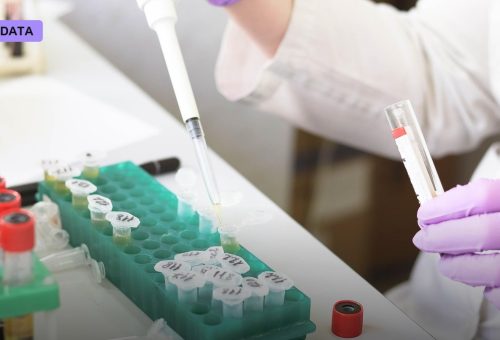
Photo: Possessed Photography / PEXELS via Pexels