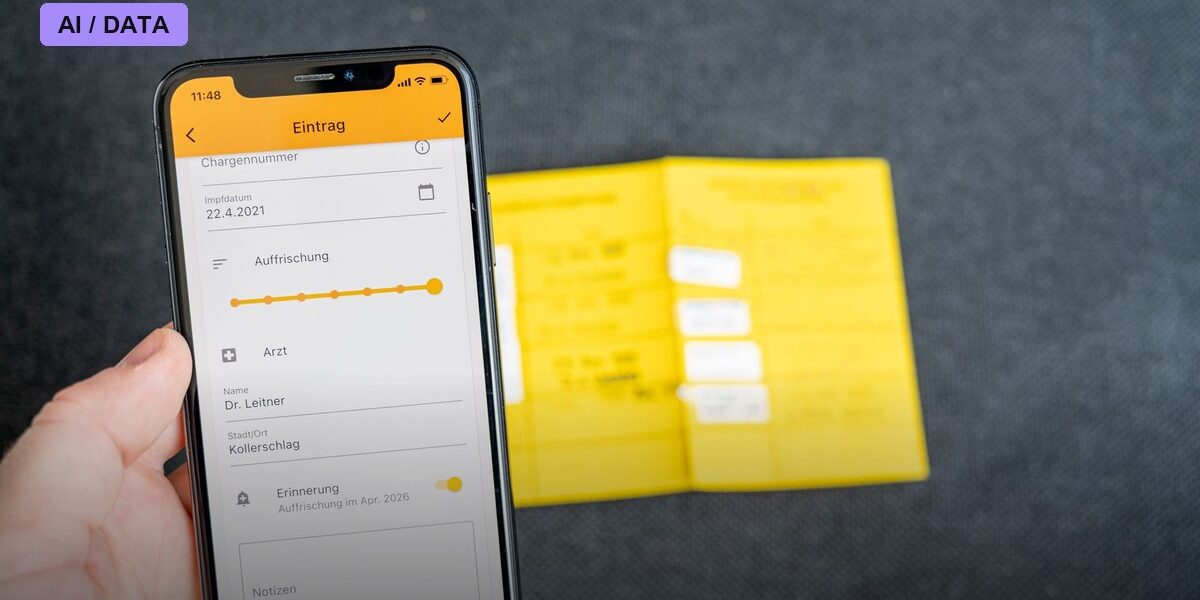
OpenAI has acquired Torch, a small health-technology startup that was building what its founders describe as a “unified medical memory” — a system meant to let AI models hold a coherent, longitudinal picture of a patient’s health history across visits, providers and records systems. Terms weren’t disclosed by either company, but reported figures put the deal between $60 million and $100 million for a team of just four people, a per-head valuation that stands out even by the standards of recent AI acquihires.
A Tiny Team, an Outsized Bet
Torch’s small headcount makes the acquisition notable on its own: OpenAI is paying a significant premium for intellectual property and specialized expertise rather than a large user base or revenue stream. That pattern — acquihires of focused technical teams rather than mass-market products — has become increasingly common as AI labs race to fill specific capability gaps instead of building every component in-house, with health data interoperability emerging as one of the gaps most frequently cited by AI labs as a bottleneck to credible consumer health products.
Why Medical Memory Is the Hard Problem
Patient health data is notoriously fragmented across electronic health record systems, insurance claims databases, pharmacy records and now a growing universe of wearables and health apps, with little standardization between them. Torch’s technology was built specifically to stitch that fragmented data into something an AI model can reason over consistently, rather than treating each new conversation with a patient as a blank slate. That is widely viewed in health IT circles as one of the hardest unsolved problems standing between today’s AI chatbots and anything resembling a reliable longitudinal health assistant, and prior attempts by larger incumbents to solve it have repeatedly stalled on data-sharing agreements between competing record-keeping systems.
The ChatGPT Health Context
The acquisition lands as OpenAI builds out what it has branded ChatGPT Health, a push into consumer-facing and enterprise health tools that has already drawn hospital systems, including HCA Healthcare, into early testing partnerships. Torch’s technology is expected to become foundational infrastructure for that effort, giving OpenAI’s health products a persistent data layer rather than relying solely on what a user types into a single conversation. People familiar with the integration plans say Torch’s four engineers are expected to remain focused specifically on the memory architecture rather than being absorbed into unrelated product teams.
The Privacy and Safety Pushback
Health privacy advocates have raised concerns about any arrangement that centralizes sensitive medical history inside a general-purpose AI company’s infrastructure, noting that HIPAA’s protections were written for a healthcare system of hospitals and insurers, not consumer AI platforms that may fall outside those rules depending on how data is collected and used. Critics have also pointed to OpenAI’s history of rapid product launches as a reason for caution, arguing that a “unified medical memory” raises the stakes of any data breach or model hallucination well beyond what a single bad chatbot response would cause today, particularly if the memory layer is later extended to consumer users beyond hospital partnerships.
OpenAI’s Counter-Argument
OpenAI has argued that fragmented health records are themselves a patient-safety problem — citing the routine real-world harm caused by providers missing allergies, medication interactions or prior diagnoses simply because records don’t follow patients between systems — and that a well-governed AI memory layer could reduce those errors rather than create new ones, provided it’s built with the right consent and security architecture from the start. The company has pointed to its existing enterprise health partnerships as evidence it intends to move incrementally rather than launch a consumer-facing medical memory product without clinical oversight.
What’s Next
How OpenAI integrates Torch’s technology — and what consent mechanisms it builds around it — will likely shape how regulators and hospital partners respond. With HCA and other health systems already testing OpenAI’s enterprise tools, the Torch acquisition suggests the company is positioning medical memory as core infrastructure rather than a standalone feature, a bet that will be tested the first time its health products are deployed at meaningful clinical scale and exposed to the kind of edge cases that smaller pilot programs rarely surface. Health policy observers say the next concrete signal to watch will be whether OpenAI publishes any formal data-governance framework for the memory layer before expanding access beyond its current hospital-system partners, a step privacy advocates argue should come before any broader consumer rollout.
Photo: Fabian Hurnaus / PEXELS via Pexels