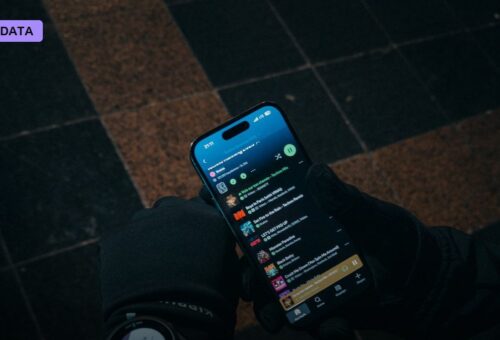
PulseAI, a Belfast-based medical technology company, announced on November 5 that the FDA has granted 510(k) clearance for its AI-powered arrhythmia analysis model built for wearable devices, a milestone that lets the company’s software interpret smartwatch ECG recordings with regulatory backing in the United States market.
What the Clearance Covers
The clearance applies specifically to PulseAI’s software-based analysis model, developed by PulseAI Limited, which processes electrocardiogram data captured by wearable devices such as smartwatches to flag potential arrhythmias. The company has been careful to note that the clearance should not be read as a blanket authorization covering every wearable device, every ECG application or every future algorithm PulseAI might develop, a distinction that matters because FDA clearances for AI diagnostic tools are typically scoped narrowly to the specific device configuration and intended use that was studied.
The Clinical Evidence Behind It
PulseAI’s clearance rests in part on a 296-person study that found its algorithm produced 92% fewer inconclusive results compared with standard smartwatch ECG analysis, focused specifically on atrial fibrillation detection in a cardiac-procedure patient cohort. Inconclusive ECG readings are a persistent problem for consumer wearables, often forcing patients to seek in-person follow-up testing to resolve ambiguous results, so a meaningful reduction in inconclusive readings could ease that downstream burden on cardiology clinics if the result holds up across broader, more diverse patient populations than the initial study cohort.
From Seed Funding to FDA Clearance in Under a Year
The clearance caps a rapid run for the company: PulseAI announced a seed funding round on January 12, led by Innovation Ulster Limited, that it said would fund work including the FDA 510(k) submission process. Moving from seed-stage funding to a completed FDA clearance in under a year is an aggressive timeline for a medical device startup, reflecting both the relatively well-established regulatory pathway for software-based ECG analysis tools and the company’s apparent focus on a narrowly defined, well-studied clinical use case rather than a broader diagnostic claim.
A Crowded Field of Wearable Cardiac AI
PulseAI enters a cardiac AI wearables market that already includes a growing list of FDA-cleared tools from both established medical device makers and newer AI-focused entrants, with 510(k) clearances making up the overwhelming majority of FDA authorizations for AI-enabled medical devices overall. The company’s pitch is a partnership model with existing ECG device manufacturers, pairing its analysis layer with hardware already in the hands of consumers rather than building its own wearable device from scratch.
What Remains Unverified
The precise clearance date carries some uncertainty: a database filing under submission number K254226 points to a substantial-equivalence decision in late October, roughly a week and a half before PulseAI’s public announcement, a gap not uncommon between an FDA decision date and a company’s public disclosure of it. The company’s premarket submission was filed in late December of last year, putting the total review timeline at roughly ten months.
What’s Next
Watch for PulseAI to announce specific wearable device partnerships now that it holds FDA clearance, since the company’s business model depends on integrating with hardware made by other manufacturers rather than selling its own devices. Broader validation will also depend on whether the 92% inconclusive-result reduction holds up in larger, more diverse post-market studies beyond the initial 296-person cohort used to support the clearance.
Photo: JanBaby / PIXABAY via Pixabay