Roche is moving to close one of the pharmaceutical industry’s largest AI-diagnostics acquisitions to date, a deal to buy Boston-based PathAI for up to $1.05 billion that the Swiss drugmaker first announced on May 7, 2026. The agreement gives PathAI shareholders $750 million in upfront cash plus up to $300 million in milestone payments, and it is expected to close in the second half of 2026 pending regulatory and antitrust clearance — a timeline that puts the transaction on track to finalize in the coming weeks. Roche has not disclosed whether any regulatory objections have surfaced in the review process, though deals of this size in the diagnostics space typically draw at least preliminary antitrust scrutiny given how concentrated the pathology software market has become among a small number of well-funded AI startups.
The Deal in Detail
Under the terms of the merger agreement, Roche will absorb PathAI’s AI-powered digital pathology platform, which uses machine learning models trained on millions of tissue slide images to help pathologists detect cancer and other diseases faster and with fewer errors than manual review alone. The structure — a large upfront payment paired with milestone-based payouts — reflects a now-common approach pharma giants use to de-risk AI acquisitions, paying more only if PathAI’s technology hits specific regulatory or commercial benchmarks after the deal closes. PathAI will continue operating out of its Boston headquarters under the arrangement, according to the companies, with Roche folding the startup’s software into its existing diagnostics division rather than running it as a fully separate subsidiary.
Why Pathology Needed an AI Overhaul
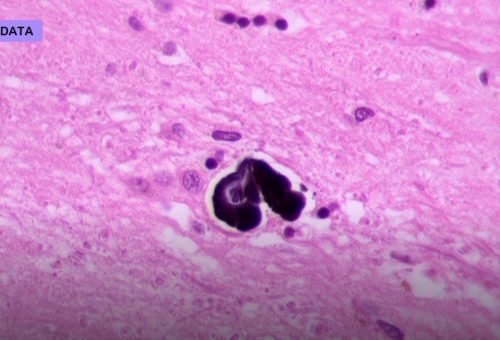
Pathology has long been considered one of medicine’s most manual, judgment-dependent disciplines: a pathologist examines a stained tissue slide under a microscope and makes a call that can determine a patient’s cancer diagnosis and treatment path. That process is also one of the biggest bottlenecks in oncology, with a global shortage of trained pathologists compounding delays, particularly outside major academic medical centers. PathAI’s software is designed to flag likely malignancies, quantify biomarkers used to match patients to targeted therapies, and standardize readings across labs that might otherwise vary from one pathologist to the next.
PathAI’s Track Record
Founded in 2016, PathAI has spent nearly a decade building partnerships with pharmaceutical companies and health systems to validate its models against real-world pathology data, and its technology has already been used in clinical trials to help select patients for cancer drug studies. That track record is part of what made the company an attractive target for Roche, which has its own large diagnostics division and has been under pressure to show it can translate AI hype into products that actually change how diseases are diagnosed and treated. PathAI has also built relationships with several large academic medical centers that use its platform to standardize second-opinion readings on difficult cancer cases, a use case Roche executives have cited as a template for how the technology could scale across its broader diagnostics customer base.
Roche’s Broader AI Push
The PathAI acquisition is the latest in a string of moves by major health and pharma companies to buy their way into AI diagnostics rather than build the capability from scratch, a trend that has also pulled in rivals like Tempus AI, GE HealthCare and smaller imaging-AI specialists. Roche has framed the deal as central to its ambition to combine its diagnostics and pharmaceutical businesses more tightly, using AI-driven pathology to identify which patients are most likely to benefit from its drugs before treatment even begins — a practice known as companion diagnostics.
The Skeptical View
Not everyone is convinced the AI pathology market is as mature as the price tag suggests. Critics point out that no AI pathology tool has yet achieved the kind of universal regulatory clearance and insurance reimbursement that would make it standard practice in every hospital lab, and that integrating PathAI’s software into Roche’s existing diagnostics infrastructure will take years, not months. Some analysts have also questioned whether $1.05 billion is justified for a company that, like much of the AI diagnostics sector, has yet to generate revenue anywhere close to that valuation.
What Happens Next
If the deal closes as expected before year-end, Roche will need to show investors a clear path to commercializing PathAI’s technology at scale, likely starting with integration into Roche’s existing oncology companion-diagnostics business. The bigger question for the industry is whether this deal marks the start of a consolidation wave in AI pathology, with smaller startups becoming acquisition targets for the handful of diagnostics giants, or whether it simply raises the valuation bar for whichever company moves next.
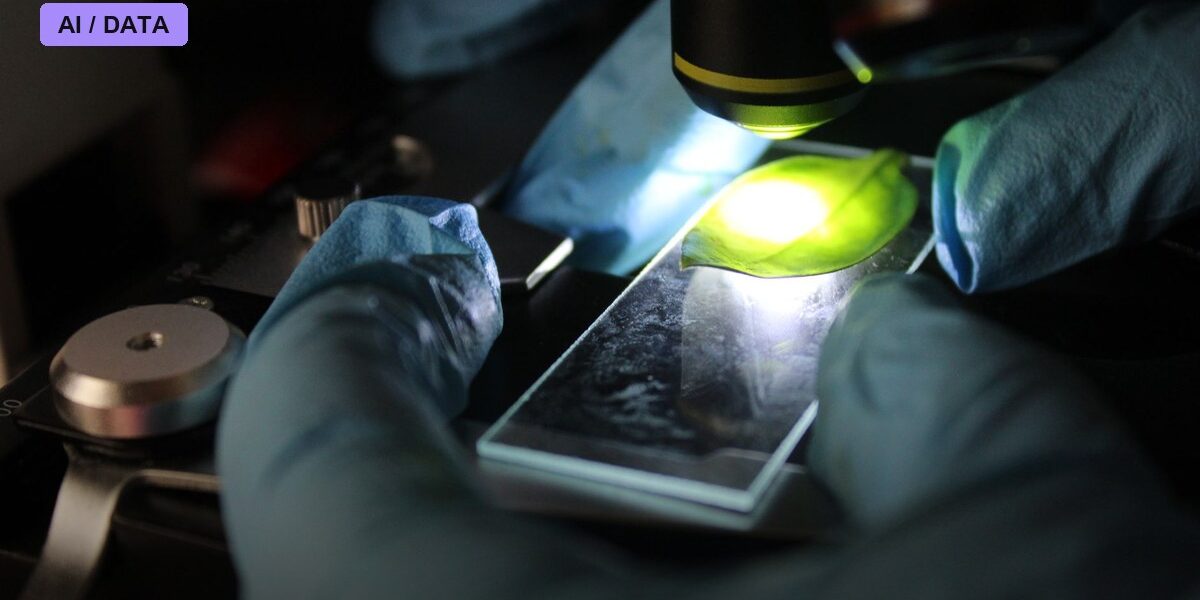
Photo: Jahra Tasfia Reza / PEXELS via Pexels