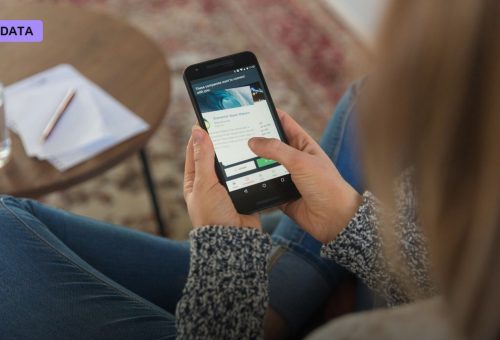
For the millions of people managing diabetes, the hardest decisions aren’t the big ones — they’re the dozens of small, in-the-moment food choices made every day. What will this meal do to my blood sugar? In January 2026, Abbott rolled out an AI feature aimed squarely at that question, letting users snap a photo of their food and get insight into how it’s likely to affect their glucose.
The new feature
Built into the FreeStyle Libre app, the AI-powered tool — Libre Assist — analyzes a photo of a meal and, paired with continuous glucose data, helps users learn how specific foods move their numbers. Over time, the point isn’t just a single reading; it’s building an intuition for which meals spike you and which don’t.
Part of a bigger shift
It fits a broader 2026 trend in diabetes tech: tools that predict rather than just report. Modern apps can forecast glucose levels up to 30 minutes ahead, warn of a crash before it happens, and — in automated insulin-delivery systems pairing a pump with a monitor — adjust insulin automatically. Once reserved for Type 1, those closed-loop systems are now reaching adults with Type 2 as well.
Why a photo is the right interface
The genius is in the friction it removes. Logging carbs by hand is tedious and easy to skip; pointing a camera at your plate is something people will actually do. Meeting users in the messy reality of a restaurant or a quick lunch — rather than demanding diligent data entry — is what turns a feature into a habit.
The caveat
AI food estimates are approximations, not lab measurements. Portion sizes, hidden ingredients and individual metabolism all vary, and the tool informs decisions rather than dictating insulin doses. It’s a coach for everyday choices, not a substitute for a glucose reading or medical advice when it counts.
Why it matters
Diabetes management is relentless precisely because it’s made of countless small daily judgments. By collapsing “how will this affect me?” into a quick snapshot, AI is taking some of the cognitive load off a condition that never clocks out. That’s AI doing its most useful work — not replacing the person, but making the constant decisions a little easier to get right.