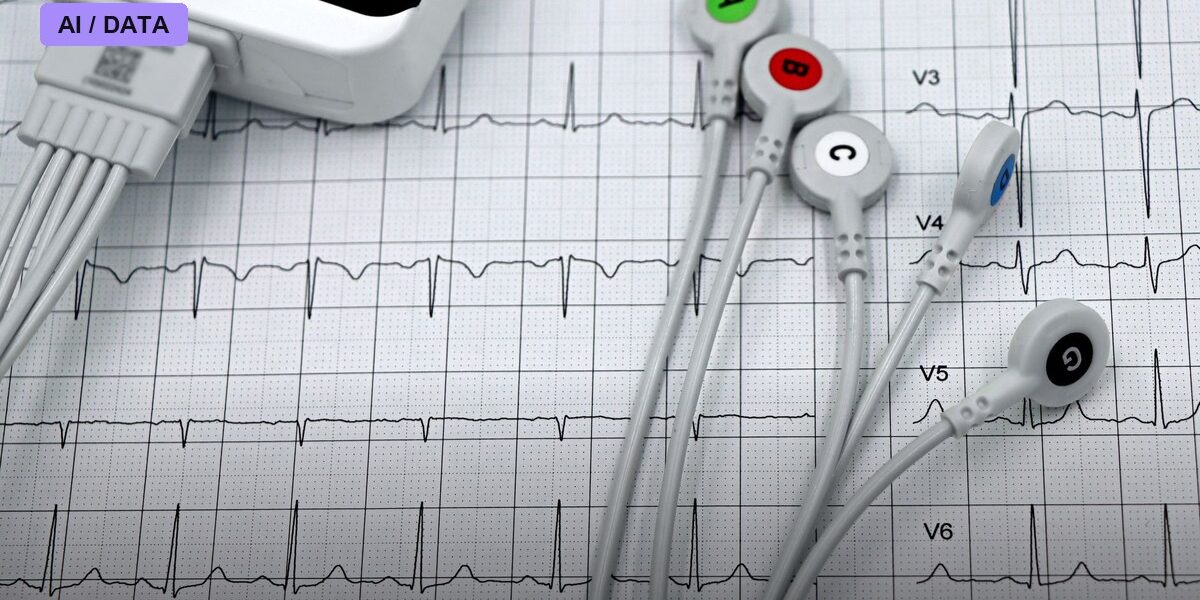
Tempus AI received 510(k) clearance from the Food and Drug Administration on October 30 for ECG-MR, software that analyzes standard 12-lead electrocardiograms to flag patients who may have undiagnosed moderate or severe mitral regurgitation, a heart valve condition that often goes undetected until it becomes severe. The clearance is Tempus’s third in its cardiovascular AI portfolio this year, following an earlier tool for pulmonary hypertension detection cleared in August.
What Mitral Regurgitation Is and Why It’s Missed
Mitral regurgitation occurs when the heart’s mitral valve fails to close properly, allowing blood to leak backward into the heart, a condition that becomes more common with age and can lead to heart failure if left untreated. The condition is frequently underdiagnosed because its early symptoms, including fatigue and shortness of breath, overlap with normal aging and other common conditions, meaning many patients are not referred for the echocardiogram that would confirm a diagnosis until the disease has progressed significantly.
How ECG-MR Works
Rather than requiring a new diagnostic test, ECG-MR is designed to analyze ECGs that patients aged 65 and older already receive as part of routine care, looking for subtle electrical signal patterns associated with moderate or severe mitral regurgitation. The software generates a binary output flagging patients who may warrant further diagnostic evaluation with an echocardiogram, positioning it as a low-cost screening layer applied to data clinicians are already collecting rather than an additional test patients must undergo.
Tempus’s Expanding Cardiovascular AI Portfolio
ECG-MR follows ECG-PH, an earlier Tempus tool cleared in August for detecting pulmonary hypertension from standard ECGs, reflecting a broader company strategy of building a suite of AI tools that extract additional diagnostic value from cardiac data clinicians already routinely collect. Tempus has positioned itself as a data and AI company spanning oncology, cardiology and other specialties, with its cardiovascular division increasingly becoming a significant part of its FDA-cleared product lineup.
The Screening-at-Scale Opportunity
Because ECGs are inexpensive, widely available, and already performed on millions of older patients annually, software that can retroactively flag valve disease risk from existing ECG data offers a path to catching more cases without adding new tests, equipment, or appointments to an already strained primary care system. Cardiologists have generally welcomed AI tools that work with existing diagnostic infrastructure, since the alternative of recommending universal echocardiogram screening for all older adults would be costly and logistically difficult at a population level.
Limitations and Next Steps for Adoption
Like other AI screening tools, ECG-MR is explicitly a flagging mechanism rather than a diagnostic one, meaning a positive result still requires confirmation via echocardiogram before any treatment decision is made, and the tool’s real-world performance across diverse patient populations will need to be tracked as adoption expands. Health systems considering the tool will also need to work out referral workflows for the volume of positive flags the software is likely to generate.
What’s Next
Tempus has not disclosed which health systems will be first to deploy ECG-MR clinically, though the company’s pattern with its earlier cardiovascular clearances suggests a phased rollout starting with existing Tempus data-platform customers. Investors and cardiologists will be watching whether real-world flagging rates and downstream echocardiogram referrals validate the tool’s clinical value at scale.
Photo: Marta Branco / PEXELS via Pexels


