The AI tutor has become a fixture of the modern classroom. What felt experimental just a year ago is now essential: in 2026, intelligent tutoring systems personalize learning for hundreds of millions of students, save teachers thousands of hours, and offer round-the-clock help. AI in education has crossed from novelty to infrastructure.
Personalized learning at scale
The hallmark of the 2026 classroom is adaptation. Intelligent tutoring systems embedded in curricula adjust on the spot to each student — helping build literacy, tackle math with deeper understanding, strengthen writing and explore subjects like financial literacy. Instead of one pace for thirty students, every learner gets a path tuned to their needs, a long-promised goal of education technology that is finally arriving at scale.
Tutoring becomes standard, not a backup
Districts are formalizing it. Many schools now build AI tutoring into before-school, after-school and at-home support, making personalized help accessible to every learner rather than only those who can afford private tutors. AI-powered tutoring is becoming a standard support system, smarter about timing — surfacing help when a student is stuck rather than after they have already fallen behind.
Giving teachers time back
Crucially, the technology supports teachers rather than sidelining them. AI saves educators thousands of hours annually by handling routine tasks, refining instruction and personalizing learning paths. Tutoring dashboards track which skills students find tough, which concepts they skip and where the class needs review — giving teachers clarity and control without adding hours to their workload. The teacher stays in charge; the AI does the grunt work.
Mainstream adoption
The numbers confirm the shift. Research found 63% of K-12 teachers and 49% of higher-education instructors had already incorporated generative AI into their work — a level of uptake that signals mainstream acceptance rather than fringe experimentation. For a sector often slow to change, that pace of adoption is striking, driven by tangible time savings and student gains.
Closing equity gaps — and new risks
The promise is access. AI tutoring is beginning to extend quality education to communities long left behind, offering 24/7 support where human tutors are scarce. But risks loom: over-reliance on AI, concerns about accuracy, data privacy for minors, and the danger of widening gaps if some schools deploy the tools well and others cannot. The technology’s benefits depend on thoughtful, equitable implementation.
The bottom line
In 2026, AI tutoring has reshaped education from the ground up — personalizing learning for millions, formalizing support across districts, and freeing teachers to teach. It is one of the clearest examples of AI doing tangible good in everyday life, even as schools work to ensure the technology lifts every student rather than only the lucky few.
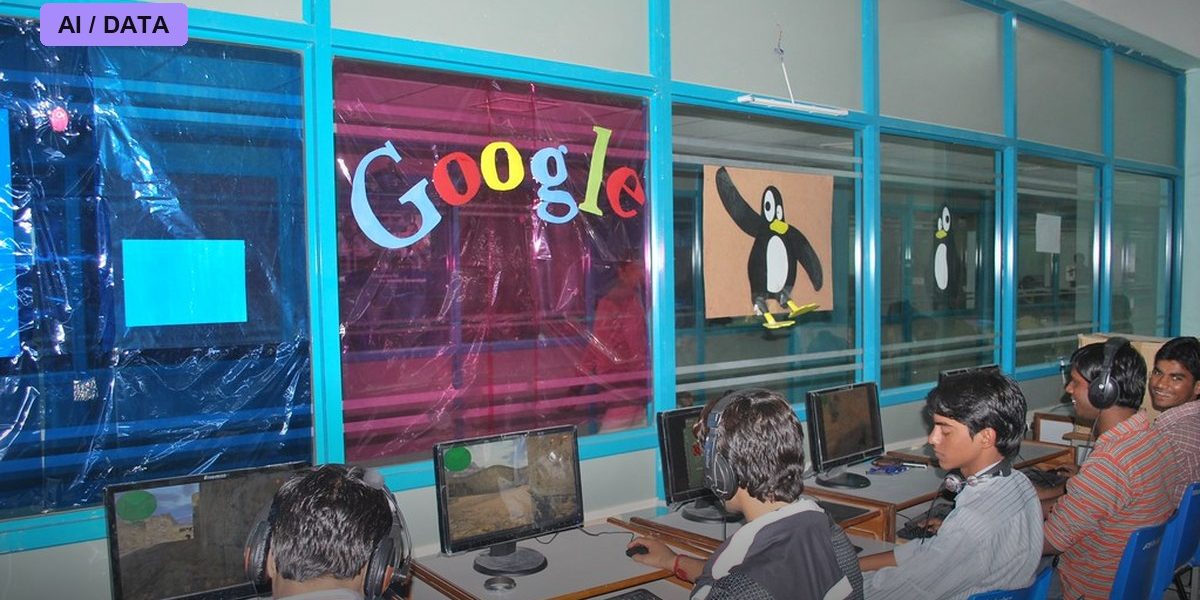
Photo: niyam bhushan / BY via flickr