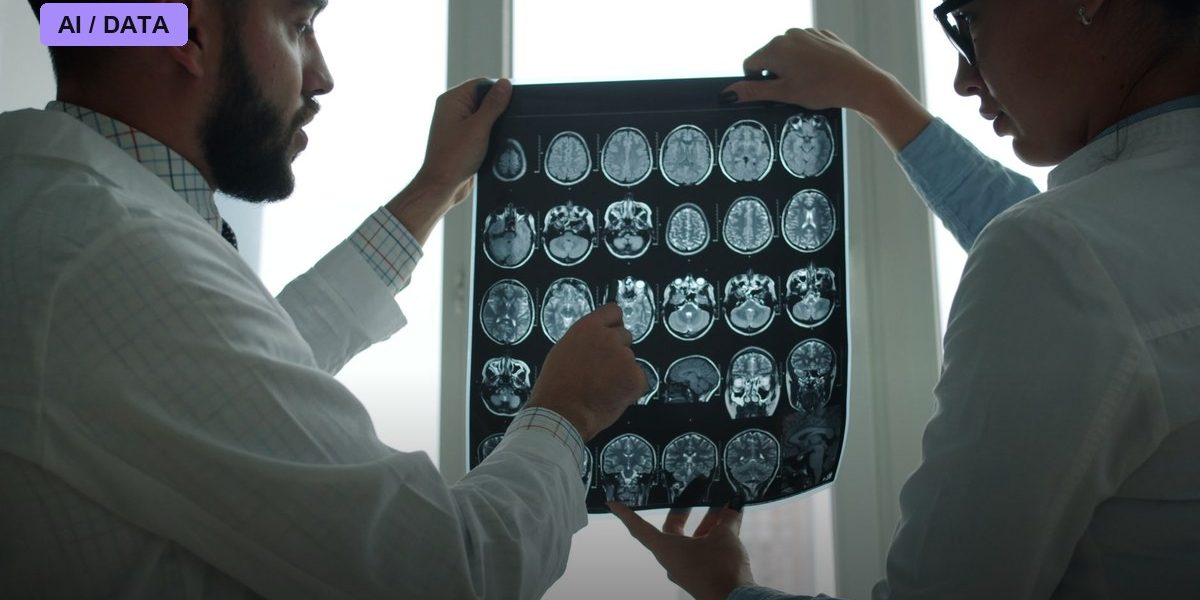
In stroke care, the clock is the enemy. Every minute a blood clot blocks blood flow to the brain, more neurons die, which is why the field has a well-worn phrase: time is brain. Two community hospitals in San Luis Obispo County, California, Twin Cities Community Hospital and Sierra Vista Regional Medical Center, are using an AI tool called Viz.ai to read patients’ CT scan results and identify stroke symptoms within minutes, shaving crucial time off a process that traditionally depends on an available radiologist or neurologist reaching a phone or workstation.
Why Minutes Matter So Much in Stroke Treatment
Ischemic strokes, caused by a blocked blood vessel in the brain, are treatable with clot-dissolving medication and mechanical clot removal, but both interventions become less effective and more risky the longer they are delayed. Community hospitals, especially those without a neurologist on-site around the clock, have historically struggled to move fast enough, often needing to transfer patients to larger stroke centers for specialist interpretation of brain imaging before treatment decisions can be made.
How Viz.ai Changes the Workflow
Viz.ai’s software analyzes CT scans automatically as soon as they are completed, flagging signs consistent with a stroke and alerting the relevant care team, often simultaneously notifying multiple specialists rather than relying on a single phone call working its way down a list. That parallel notification system is designed to compress the time between a patient arriving with stroke symptoms and a treatment decision being made, a window that clinical guidelines measure in minutes rather than hours.
Why Community Hospitals Are the Real Target
Large academic stroke centers in major cities typically already have neurologists on-site or readily available for urgent consults. The bigger impact of AI stroke-detection tools is in smaller community hospitals like Twin Cities and Sierra Vista, where specialist coverage is thinner and the gap between scan completion and expert interpretation has traditionally been the longest. By giving these hospitals faster access to AI-flagged imaging analysis, the technology aims to narrow the stroke-care gap between well-resourced urban medical centers and smaller regional hospitals.
The Evidence Base and Its Limits
Viz.ai’s underlying technology has been studied in multiple clinical settings and has FDA clearance for stroke-related imaging analysis, giving it a more established track record than many newer entrants to medical AI. Still, AI-flagged imaging is explicitly designed as a triage and alerting tool, not a replacement for clinician judgment; a radiologist or neurologist still needs to confirm findings and make the final treatment call, meaning the technology’s main contribution is speed and coordination rather than diagnostic authority.
What Skeptics of Rapid AI Rollout Point To
Critics of fast AI adoption in time-critical care settings note that speed gains only help patients if the underlying clinical decision-making stays accurate, and that automated alert systems can create their own problems, including alert fatigue among staff who receive frequent notifications, some of which may turn out to be false positives on review. Hospitals adopting these tools need robust protocols for how staff should weigh an AI alert against their own clinical judgment, rather than treating the software’s flag as a final answer.
What This Means for Smaller Hospitals Going Forward
The deployment at Twin Cities and Sierra Vista reflects a broader pattern of AI stroke-detection tools spreading beyond major academic medical centers into the community hospitals that serve a large share of American stroke patients. If these tools continue to demonstrate measurable improvements in treatment time without introducing new errors, they could help narrow long-standing disparities in stroke outcomes between patients treated at large urban stroke centers and those who first arrive at smaller regional hospitals, a gap that speed-sensitive conditions like stroke have made especially consequential.
Photo: Vitaly Gariev / PEXELS via Pexels