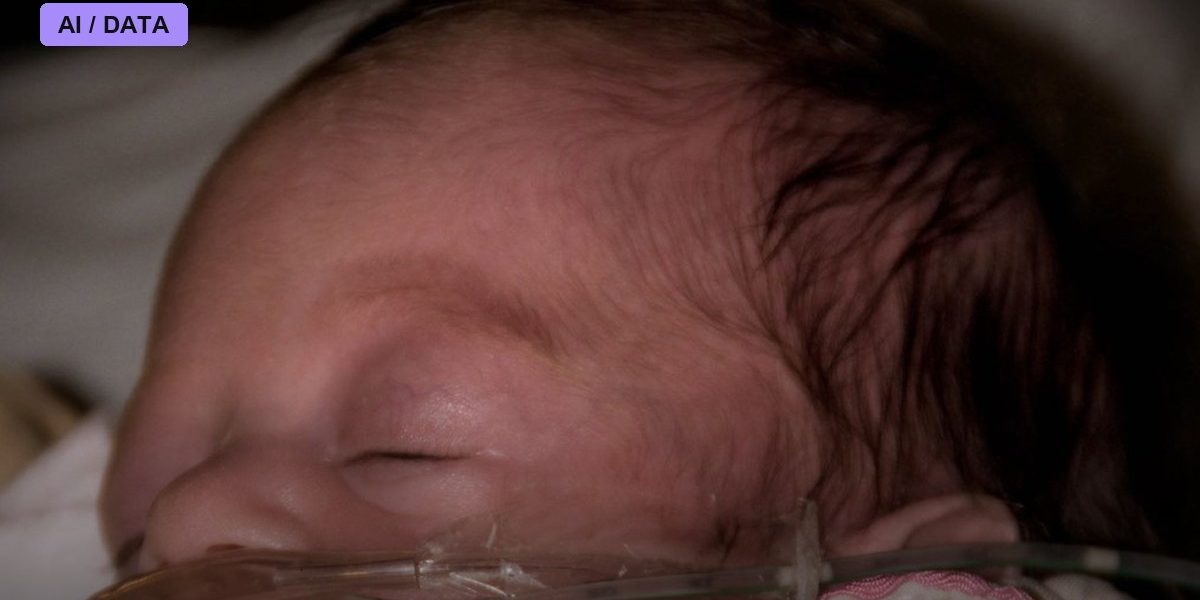
For decades a baby monitor was a glorified walkie-talkie: it let you hear the baby cry. In 2026 it’s become something far more ambitious — an AI system that watches a sleeping infant’s breathing and sleep patterns, and is now reaching toward tracking development itself.
How it works
Nanit, one of the category leaders, uses a computer-vision camera mounted above the crib. It tracks sleep duration and efficiency, and monitors breathing motion in real time by reading the rise and fall of a patterned “Breathing Wear” garment — meaning nothing is attached to the baby. The company bills its Pro monitor as delivering the most accurate AI sleep tracking of any baby monitor this year.
The 2026 leap
The bigger news is what’s coming next. Nanit’s new Parenting Intelligence System, rolling out in 2026, aims to track a broad set of developmental and physiological indicators over time — looking for early signals in speech and language, motor skills and cognitive patterns. Backed by a fresh $50 million raise, the company is pushing the monitor from a safety device toward a developmental one.
Why parents are drawn to it
New-parent anxiety is bottomless, and sleep is the currency of survival. A monitor that reassures you the baby is breathing and helps you understand their sleep speaks directly to that worry. Crucially, the core monitoring — live HD video, sound and motion alerts, two-way audio, breathing tracking via the camera — works without a paid subscription, though deeper insights sit behind paid tiers.
The caveat
Pediatric experts urge perspective. Consumer baby monitors are not medical devices and aren’t proven to prevent SIDS, and there’s a real risk they amplify anxiety or create false alarms that send exhausted parents spiraling. The forthcoming developmental tracking, in particular, should be read as general insight — not a diagnostic verdict on a child’s growth.
Why it matters
Used with realistic expectations, an AI monitor can give frazzled parents genuine reassurance and a clearer picture of their baby’s sleep. The frontier — inferring development from months of data — is genuinely exciting, but it also raises the stakes on accuracy, privacy and how much we want algorithms quietly grading our children. The grown-up baby monitor is here; the wisdom to use it well is still catching up.