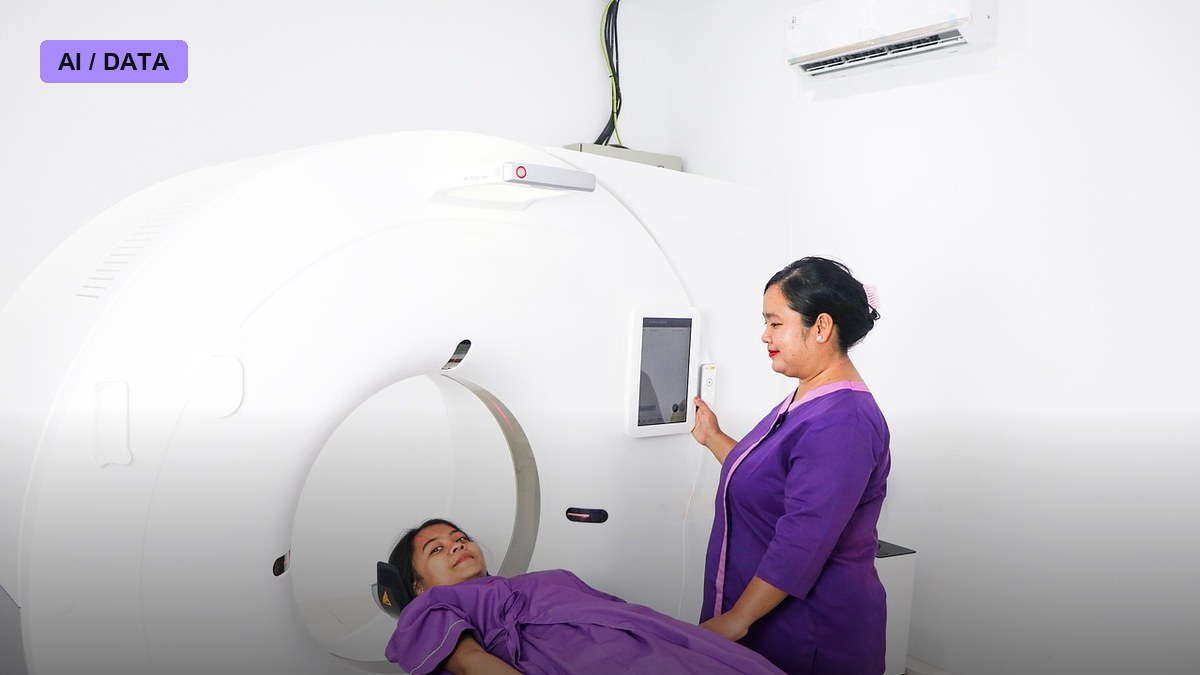
The push to erase clinicians’ least favorite task — typing up notes after every patient encounter — has moved beyond the doctor’s exam room. Abridge, the ambient AI documentation company, made its nursing-focused product generally available in May 2026 across more than 250 U.S. health system partners, following a joint development effort with Epic Systems and nursing staff at Mayo Clinic.
From Doctors’ Notes to Nurses’ Workflows
Abridge built its reputation helping physicians by listening to patient conversations and automatically drafting clinical notes, freeing doctors from hours of after-hours “pajama time” documentation. The company’s expansion into nursing applies the same ambient-listening approach to bedside nursing workflows, an area that has historically had far less technology investment despite nurses spending a substantial share of every shift on documentation rather than direct patient care. The nursing tool was co-designed with Mayo Clinic nurses to ensure it captured nursing-specific language and charting requirements rather than simply repurposing the physician product.
Where the Technology Is Already Live
Health systems now running Abridge’s tools include Bon Secours Mercy Health, Corewell Health, Community Health System, Emory Healthcare, Johns Hopkins Medicine, Reid Health, and Mayo Clinic, according to the company. Abridge has also pushed into adjacent workflows: a January 2026 partnership with Availity brought real-time prior-authorization support into the platform, and reporting from Technology.org describes ambient AI documentation expanding further still into emergency departments and post-acute care settings through the summer of 2026.
Recognition and Momentum
The company was named to Fast Company’s Most Innovative Companies list for 2026 and won the Best in KLAS award in both 2025 and 2026 for ambient AI documentation, an industry ranking based on direct feedback from health-system customers. That recognition has helped fuel rapid adoption, with the KLAS distinction in particular functioning as a trusted signal for hospital procurement teams weighing competing AI-scribe vendors such as Nuance’s DAX Copilot and Suki.
The Case For Ambient Documentation
Supporters, including many practicing clinicians, argue the technology directly addresses burnout, one of the most cited reasons nurses and doctors leave the profession. Studies cited by health systems adopting the tools point to measurable reductions in after-hours charting time and increased face-to-face time with patients once ambient listening handles the transcription and note-drafting burden. For chronically understaffed nursing units, proponents say even modest time savings per shift compound into meaningful capacity gains across a health system.
Concerns About Accuracy and Oversight
Critics, including some clinical documentation specialists, warn that AI-generated notes still require careful human review, since transcription errors or AI “hallucinations” embedded in a permanent medical record could affect billing, legal liability, or even patient safety if a mistaken detail goes uncorrected. There are also unresolved questions about patient consent for having bedside conversations recorded and processed by AI, and about how vendor contracts govern use of that sensitive conversational data for further model training.
What’s Next
With ambient AI now moving past the exam room and into nursing stations, emergency departments, and post-acute facilities, health-IT analysts expect 2027 to bring closer scrutiny from state medical boards and privacy regulators over consent standards and error-correction workflows. Abridge’s rapid health-system rollout is likely to intensify competition among rival ambient-AI vendors, while hospital administrators watch closely for hard data on whether the promised burnout relief actually translates into nurse and physician retention. Several of the health systems already using the nursing product, including Corewell Health and Emory Healthcare, have said they plan to publish internal metrics on charting-time reduction and nurse satisfaction over the next year, data that competitors and skeptical clinicians alike say will be the real test of whether ambient AI delivers on its promise at the bedside rather than only in the exam room, where the technology has had several additional years to mature. Nursing unions in some of the participating health systems have also asked to be included in reviewing that forthcoming data before it is used to justify staffing decisions, wary that productivity gains attributed to ambient AI could be used to argue for leaner nurse-to-patient ratios rather than genuine relief from administrative burden, a tension likely to shape labor negotiations at several hospitals over the coming contract cycle.