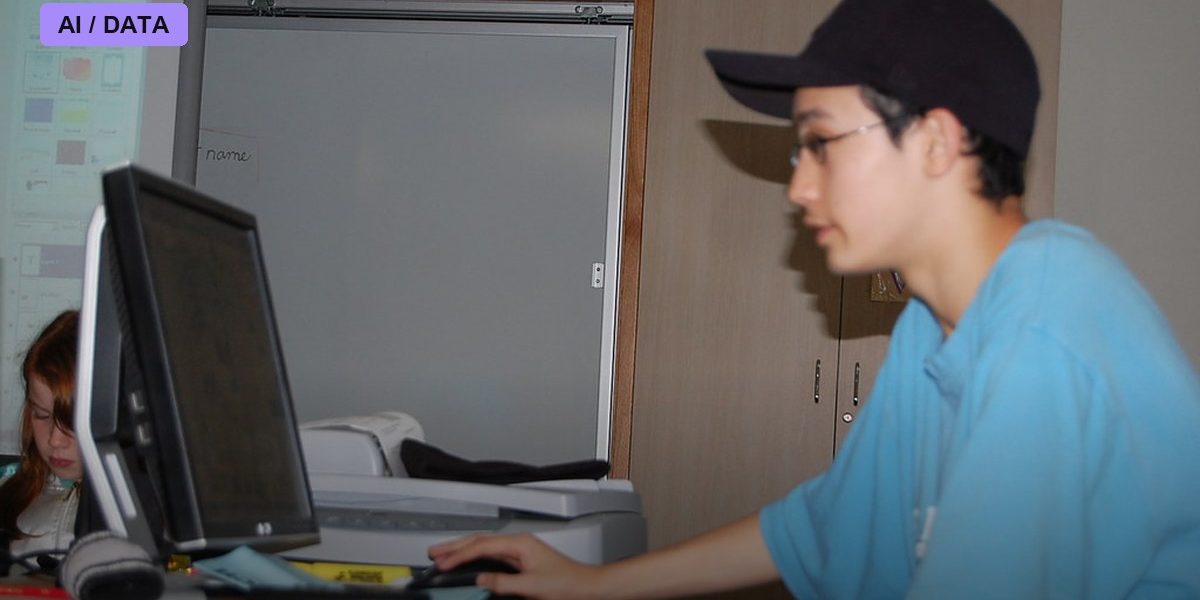
Artificial intelligence has quietly become a fixture of the classroom. In barely two years it has gone from a novelty to near-ubiquity in education — used by most schools and almost all students — forcing a fast rethink of how learning, and cheating, actually work.
Adoption has exploded
The numbers are dramatic. According to McKinsey’s 2026 research, 78% of K-12 schools and 92% of higher-education institutions now use AI tools in some capacity, up from just 23% and 41% in 2023. On the student side the shift is even sharper: global student AI usage jumped from 66% in 2024 to 92% in 2025, and by early 2026 an estimated 86% of higher-ed students use AI as their primary research and brainstorming partner.
The tutoring breakthrough
The most encouraging story is personalized tutoring. Khan Academy’s Khanmigo has emerged as the gold standard, serving over 18 million students across math, science, humanities and test prep. A National Bureau of Economic Research study published in early 2026 found students using Khanmigo showed 34% greater learning gains than with traditional tutoring — with particularly strong results for learners from underserved communities, hinting at AI’s potential to narrow, not widen, gaps.
Regulators draw lines
Policy is racing to catch up. The U.S. Department of Education has been collecting public feedback and plans a comprehensive AI playbook for June 2026. The emerging rules are sensible: teachers may use AI for brainstorming, lesson planning and drafting communications, but it cannot assign grades, make disciplinary decisions, or collect biometric and behavioral data without strict oversight. And 67% of districts now fold AI literacy into their digital-citizenship curriculum.
The double edge
The same tools that tutor can also do the homework. Near-universal student use raises hard questions about assessment, originality and whether students are learning concepts or outsourcing them. The optimistic read — backed by the Khanmigo data — is that well-designed AI deepens understanding; the pessimistic one is that it becomes a shortcut that hollows out the work learning requires. The difference lies in how schools deploy it.
The bottom line
AI in education has crossed from experiment to infrastructure faster than almost any sector. The evidence that good tools genuinely boost learning is real and growing — but so is the risk of misuse. With adoption now near-total, the task is no longer whether to use AI in schools, but how to do it so students come out smarter, not just faster.
Photo: USAG-Humphreys / BY via flickr