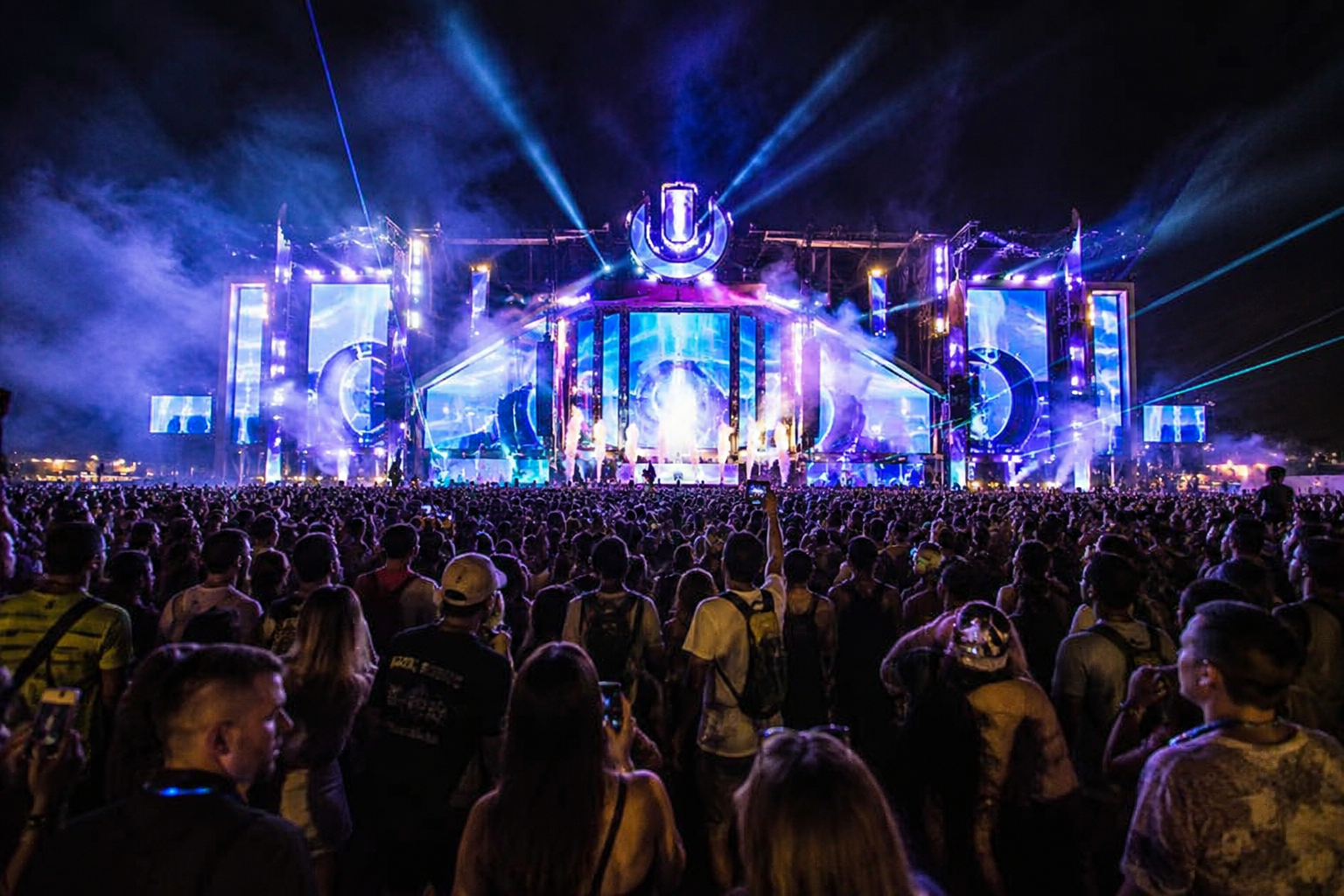
Music festivals have long been a staple of cultural identity, bringing together thousands of people from diverse backgrounds to celebrate music, art, and community. However, the rise of technology and artificial intelligence (AI) is transforming the festival experience, pushing boundaries, and raising questions about what it means to be part of a cultural movement.
The Rise of Tech-Integrated Festivals
From Coachella’s Instagram-worthy installations to Tomorrowland’s AI-powered visuals, music festivals have become increasingly tech-savvy. According to a recent survey by the International Music Managers Forum (IMMF), 70% of festival-goers use social media to share their experiences, while 40% use mobile apps to plan their itinerary. Festivals like Ultra Music Festival in Miami and Glastonbury in the UK have also incorporated AI-driven sound design, using machine learning algorithms to create immersive audio experiences.
But it’s not just about aesthetics; tech is also changing the way festivals operate behind the scenes. For example, AI-powered ticketing systems can help reduce waiting times and improve crowd control, while data analytics can optimize logistics and resource allocation. Festivals like Burning Man in Nevada have even begun to use blockchain technology to create secure and transparent ticketing systems.
The Impact of Social Media on Festival Culture
Social media has revolutionized the way we experience music festivals, but it’s also created new challenges. With the rise of influencer culture, some argue that festivals have become more about self-promotion than community-building. According to a study by the University of Oxford, 80% of festival-goers feel pressure to present a curated online persona, while 60% report feeling anxious about their social media presence.
However, social media has also democratized access to festivals, allowing people from around the world to participate and engage with the cultural movement. Online platforms like Facebook Groups and Reddit have created spaces for fans to connect, share experiences, and plan meetups – a phenomenon that’s particularly pronounced in the electronic dance music (EDM) scene.
The Future of Music Festivals: What’s Next?
As tech continues to shape festival culture, we can expect even more innovative applications. For example, virtual and augmented reality experiences are becoming increasingly popular, allowing fans to step into immersive environments that blur the lines between physical and digital spaces.
But with great power comes great responsibility; festivals must also address issues like accessibility, sustainability, and diversity. As AI-powered ticketing systems become more prevalent, for instance, it’s essential to ensure that they’re inclusive and equitable – not just for festival-goers but also for performers and staff.
Availability and Pricing
Music festivals are already using AI to optimize logistics, improve crowd control, and enhance the overall experience. As tech continues to advance, we can expect even more innovative applications. For now, here’s a snapshot of some of the key players in the festival-tech space:
- Coachella: Known for its Instagram-worthy installations and AI-powered visuals.
- Tomorrowland: Uses AI-driven sound design to create immersive audio experiences.
- Burning Man: Incorporates blockchain technology for secure and transparent ticketing systems.
Whether you’re a seasoned festival-goer or just discovering the magic of music festivals, one thing’s clear: tech is here to stay. As we look to the future, it’s essential to prioritize accessibility, sustainability, and diversity – ensuring that these cultural events remain inclusive and meaningful for all.