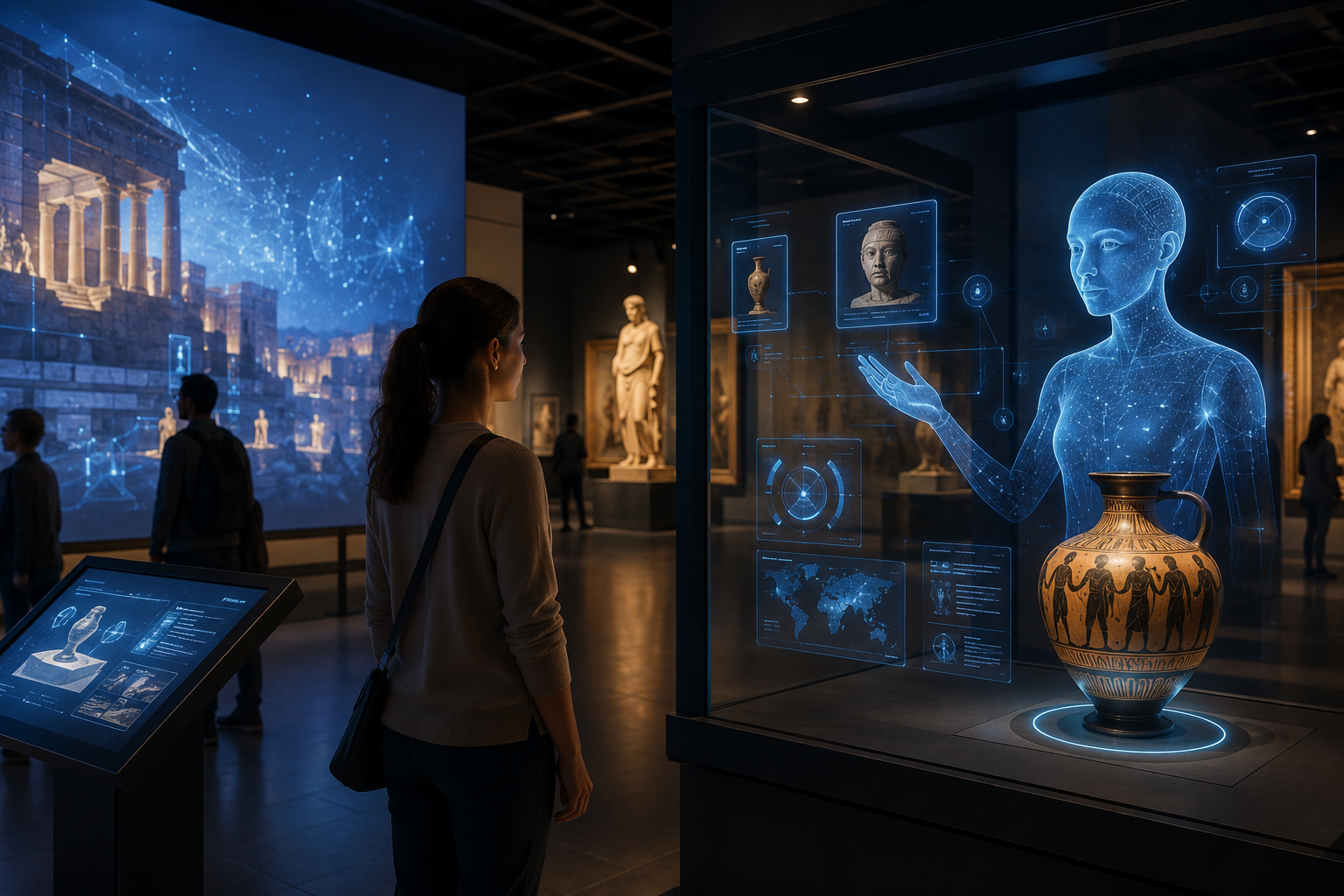
The art world is witnessing a significant shift with the integration of artificial intelligence (AI) in museums and cultural events. From interactive installations to personalized experiences, AI is changing the way we engage with art and history.
What Changed
In recent years, several museums have incorporated AI into their exhibitions, leveraging its capabilities for immersive storytelling and audience engagement. One notable example is the ‘The Next Rembrandt’ project, where a team of researchers used neural networks to create a new painting in the style of the famous Dutch artist.
Another example is the ‘Van Gogh Alive’ exhibition, which uses AI-powered projections and soundscapes to recreate the artist’s works. This interactive experience allows visitors to step into Van Gogh’s world, exploring his paintings and letters through a 360-degree environment.
How It Compares
AI in museums is not limited to digital art; it’s also being used to analyze and interpret historical artifacts. For instance, the ‘Google Arts & Culture’ platform uses AI-powered image recognition to identify artworks, allowing users to explore millions of high-resolution images from around the world.
This technology has been particularly useful in the context of cultural heritage preservation. By analyzing large datasets, AI algorithms can help detect and prevent art forgery, ensuring the authenticity of artifacts for future generations.
What It Means for Users
The integration of AI in museums offers a more engaging and personalized experience for visitors. AI-powered recommendations can guide viewers through exhibitions, suggesting artworks that align with their interests and preferences.
This technology also enables remote participation, allowing people worldwide to explore and interact with art and historical artifacts online. For example, the ‘The Metropolitan Museum of Art’ in New York has partnered with Google Arts & Culture to provide virtual access to its collections, making art more inclusive and accessible.
Availability and Rollout Timeline
A number of museums are already incorporating AI into their exhibitions, including the ‘Museum of Modern Art’ in New York and the ‘Tate Modern’ in London. As AI technology continues to evolve, we can expect more innovative applications in the art world.