Three-Minute Underwriting: AI Is Quietly Rewriting Insurance
AI has hit a tipping point in insurance — collapsing underwriting from days to minutes and resolving claims 75% faster — but faster automated denials are stirring real concern.
Most companies now use AI somewhere in hiring — screening, sourcing, scheduling — but few have scaled it fully, as worries over bias and transparency keep humans in the loop.
More than 90% of lawyers now use at least one AI tool, reshaping legal work from contract review to research — saving time and lifting revenue, even as ethics worries linger.
From conversational assistants to agents that compare and buy for you, AI now shapes how most people shop — and retailers are pouring money in as it drives real revenue.
GitHub Copilot now has ~20 million users and writes about 46% of code for those who use it, with developers finishing tasks 55% faster — though trust gaps and bad suggestions remain.
AI fraud detection has become near-universal in banking — used by roughly 90% of institutions, intercepting 92% of fraud before approval and cutting false alarms by up to 60%.
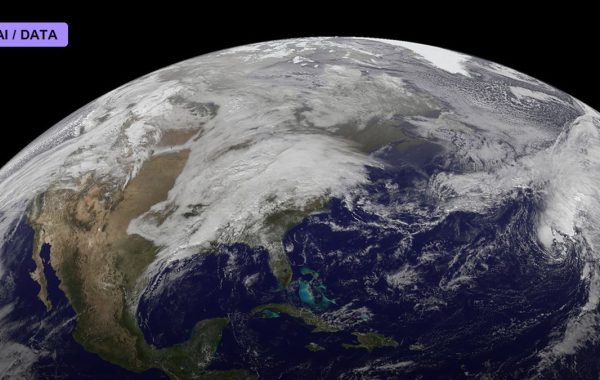
AI weather forecasting now outperforms traditional models on 90% of metrics, with startups like WindBorne beating Europe's gold-standard system — though extreme events remain a weak spot.
AI-generated phishing, deepfake fraud and autonomous attack agents are outpacing enterprise defenses in 2026 — with 94% of organizations calling AI the biggest force shaping cybersecurity.
A June flurry of releases reshaped the AI leaderboard: Anthropic's Claude Opus 4.8 tops the benchmarks, with Google's Gemini, OpenAI's GPT-5.5 and xAI's Grok close behind.
Enterprises are deploying autonomous AI agents that act, not just answer — with NVIDIA, ServiceNow and SAP shipping governed agents and 40% of business apps set to feature them by year's end.