A federal advisory panel handed a milestone win to Grail’s Galleri test on September 23, 2026, voting that the AI-driven, multi-cancer blood screen offers reasonable assurance of safety and that its clinical benefits outweigh its risks. The vote, delivered by the FDA’s Molecular and Clinical Genetics Panel of the Medical Devices Advisory Committee, pushes the test closer to full approval and toward a future where a single annual blood draw could screen for dozens of cancers that currently have no recommended early-detection method at all. The panel’s benefit-risk vote applied specifically to adults aged 50 and older using Galleri alongside, not instead of, their routine screening schedule.
The Road to This Vote
Galleri’s path to an advisory panel hearing has been years in the making. The FDA granted the test Breakthrough Device designation back in 2018, a status meant to speed development and review of technologies that could offer more effective diagnosis for life-threatening conditions. Grail formally submitted its premarket approval application to the FDA on January 29, 2026, kicking off the review that culminated in this month’s public hearing. That timeline matters because it shows regulators have been tracking the underlying methylation science for the better part of a decade, rather than reacting to a brand-new claim overnight.
How the Test Actually Works
Galleri does not look for tumors directly. Instead, it uses machine learning to analyze patterns of cell-free DNA methylation circulating in the bloodstream, chemical tags on DNA fragments shed by dying cells throughout the body. Cancer cells tend to carry distinctive methylation signatures, and Grail’s AI model has been trained to recognize those signatures across more than 50 cancer types, then predict which organ or tissue the signal likely originated from. According to figures presented to the panel, the test’s specificity, its ability to correctly rule out cancer when none is present, reached roughly 99.85%, with a positive predictive value near 77% when a signal is detected. Among the cancer types the test targets are pancreatic and ovarian cancer, two of the diseases regulators and clinicians repeatedly flagged as having no recommended early-detection screening option at all today.
Three Close Votes, Not a Landslide
The panel’s endorsement was not unanimous or overwhelming. Committee members voted unanimously that the test’s safety was reasonably assured, but split 6-4 on whether its effectiveness, meaning how reliably it does what it claims, was adequately demonstrated, and 7-2 with one abstention on whether benefits outweigh risks for the intended 50-and-older population. That split reflects genuine scientific disagreement about how to evaluate a screening tool built on population-level statistics rather than a single well-understood biomarker.
Why Some Researchers Are Cautious
Critics, including some oncologists and biostatisticians who have followed Galleri’s development for years, warn that a positive predictive value of 77% still means roughly one in four flagged patients will go through follow-up scans, biopsies, and weeks of anxiety for a false alarm. There is also the harder question of overdiagnosis: detecting a slow-growing cancer that might never have caused harm in a patient’s lifetime, then subjecting them to treatment anyway. Proponents, including many patient advocacy groups that have pushed for approval, counter that current screening only covers a handful of cancers, breast, cervical, colorectal, lung in high-risk smokers, leaving the majority of cancer types with no early detection option whatsoever until symptoms appear, often at a late and less treatable stage.
What Comes After the Panel Vote
The FDA is not bound by its advisory committee’s recommendation but typically follows it. A final decision on Galleri’s premarket approval application is expected in the coming months, closing out the review that began with Grail’s January 2026 submission. If approved, the test would still be positioned as a complement to, not a replacement for, existing guideline-recommended screenings like mammograms and colonoscopies, and insurance coverage remains an open question given the test’s list price, which has hovered near a thousand dollars in its current lab-developed-test form.
The Bigger Shift This Represents
Galleri’s advisory panel vote lands at a moment when AI-driven liquid biopsy technology is moving from a niche research tool into something insurers, employers, and consumers are actively asking about. Grail has spent years building partnerships with health systems to gather real-world outcomes data, and a green light here would likely accelerate similar multi-cancer screening products already in development at competing diagnostics companies. For patients, the practical question over the next year will not be whether the science works in principle, panelists mostly agreed it does to some degree, but whether it works well enough, cheaply enough, and equitably enough to justify recommending it to millions of otherwise healthy people during a routine physical. Employers and large self-insured health plans are also watching closely, since several have already signaled interest in covering multi-cancer screening as a wellness benefit long before Medicare or standard commercial insurance would be expected to add it to routine coverage, potentially creating a two-tier access pattern where insured workers at large companies gain early access years before it becomes broadly available to everyone else.
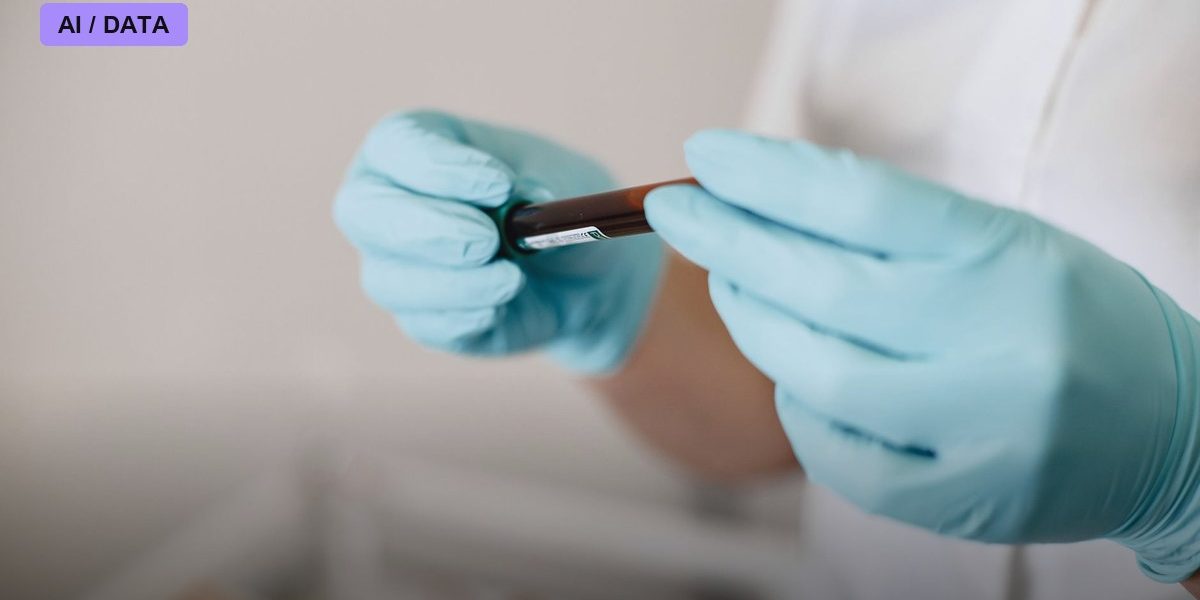
Photo: Gustavo Fring / PEXELS via Pexels