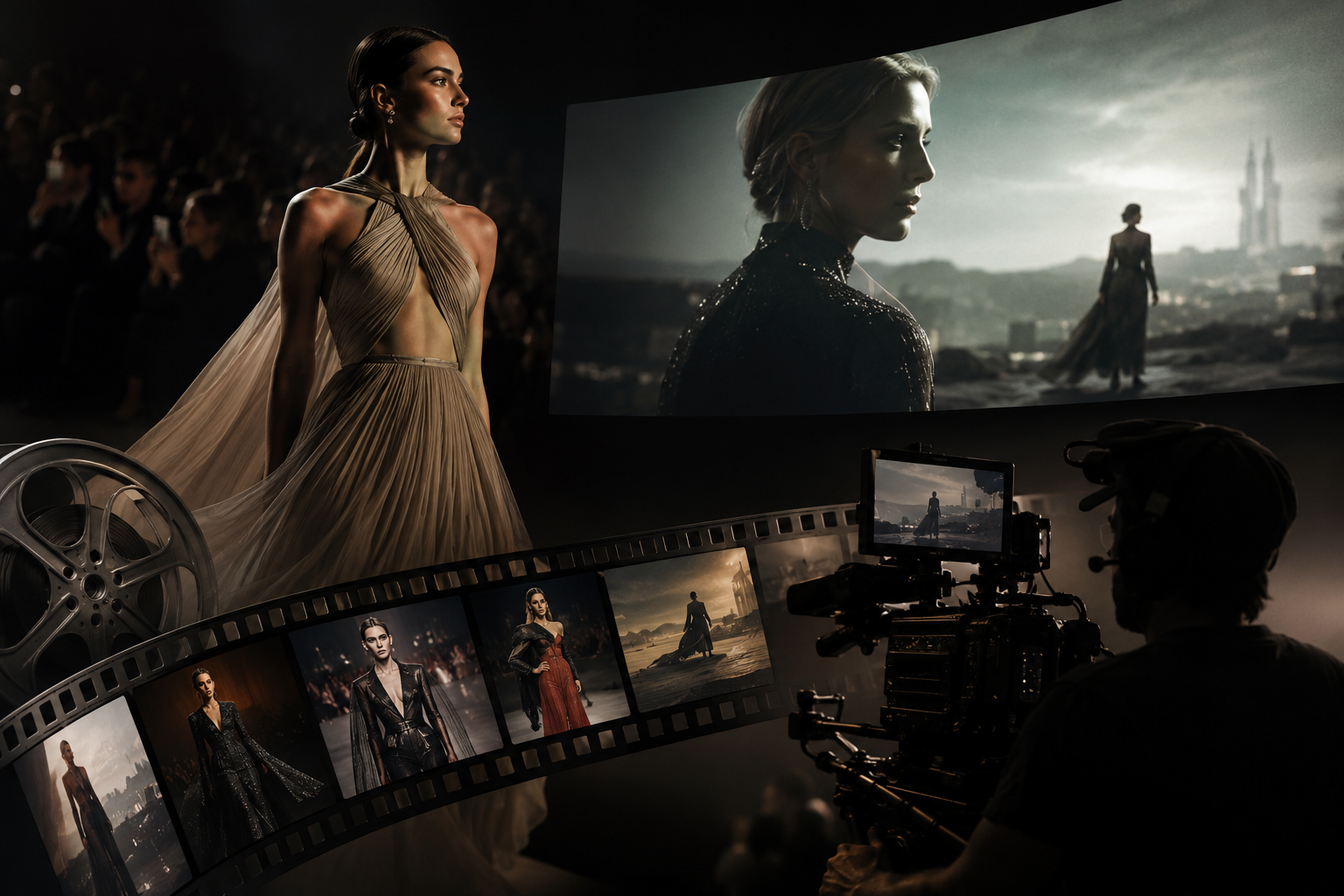
As the film industry continues to push boundaries with emerging technologies, one trend is particularly noteworthy: the convergence of fashion and film. Recent movies such as The Matrix Resurrections, Dune, and No Time to Die showcase stunning visual effects and immersive storytelling techniques that blur the lines between reality and fantasy.
The driving force behind this trend is the increasing adoption of cutting-edge technologies like augmented reality (AR), virtual production, and artificial intelligence (AI) in film production. These tools enable filmmakers to create photorealistic environments, intricate costumes, and sophisticated visual effects with unprecedented precision.
What Changed?
One key development that has contributed to the rise of immersive storytelling is the introduction of AR and virtual reality (VR) technologies on set. Companies like NVIDIA and OpenAI have developed tools that allow filmmakers to create AR-enabled environments, allowing actors to interact with digital characters and objects in real-time.
For example, the production team behind The Matrix Resurrections used NVIDIA’s Omniverse platform to create a fully immersive AR environment for key scenes. This enabled them to capture complex action sequences and interactions between human and digital characters without the need for extensive special effects post-production.
Technological Innovations
Another significant development is the growing use of AI in film production. Companies like Weta Digital and Digital Domain are leveraging AI-powered tools to streamline complex tasks such as character creation, animation, and visual effects.
The latest iteration of Weta’s Nuke software features an integrated AI engine that can automate tasks like color grading, tracking, and rotoscoping. This enables filmmakers to focus on creative aspects while the software handles time-consuming technical tasks.
Film Industry Adoption
As these technologies become more accessible, the film industry is rapidly adopting them. A recent survey by the Motion Picture Association of America (MPAA) found that 71% of respondents are already using AR or VR tools in production, with another 21% planning to adopt them within the next two years.
The trend is not limited to blockbuster productions; smaller indie films and documentaries are also leveraging these technologies to create immersive experiences. For instance, the documentary Free Solo used VR cameras to capture stunning footage of Alex Honnold’s climb up El Capitan without any safety gear.
What it Means for Users?
The convergence of fashion and film in modern cinema has far-reaching implications for audiences. With the rise of immersive storytelling, viewers can expect more engaging, interactive experiences that blur the boundaries between reality and fantasy.
Filmmakers are already experimenting with new formats like AR-enabled movies and VR experiences. These innovations will not only redefine the way we consume entertainment but also push the boundaries of creative expression in the film industry.
Availability and Rollout Timeline
The technologies driving this trend are becoming increasingly accessible, with many studios already adopting them for future productions. As these tools become more widespread, audiences can expect to see even more immersive experiences on screen.
For now, fans of fashion and film can look forward to upcoming releases that showcase the intersection of style and storytelling in modern cinema. With the rapid pace of technological innovation, it’s an exciting time for filmmakers and viewers alike.