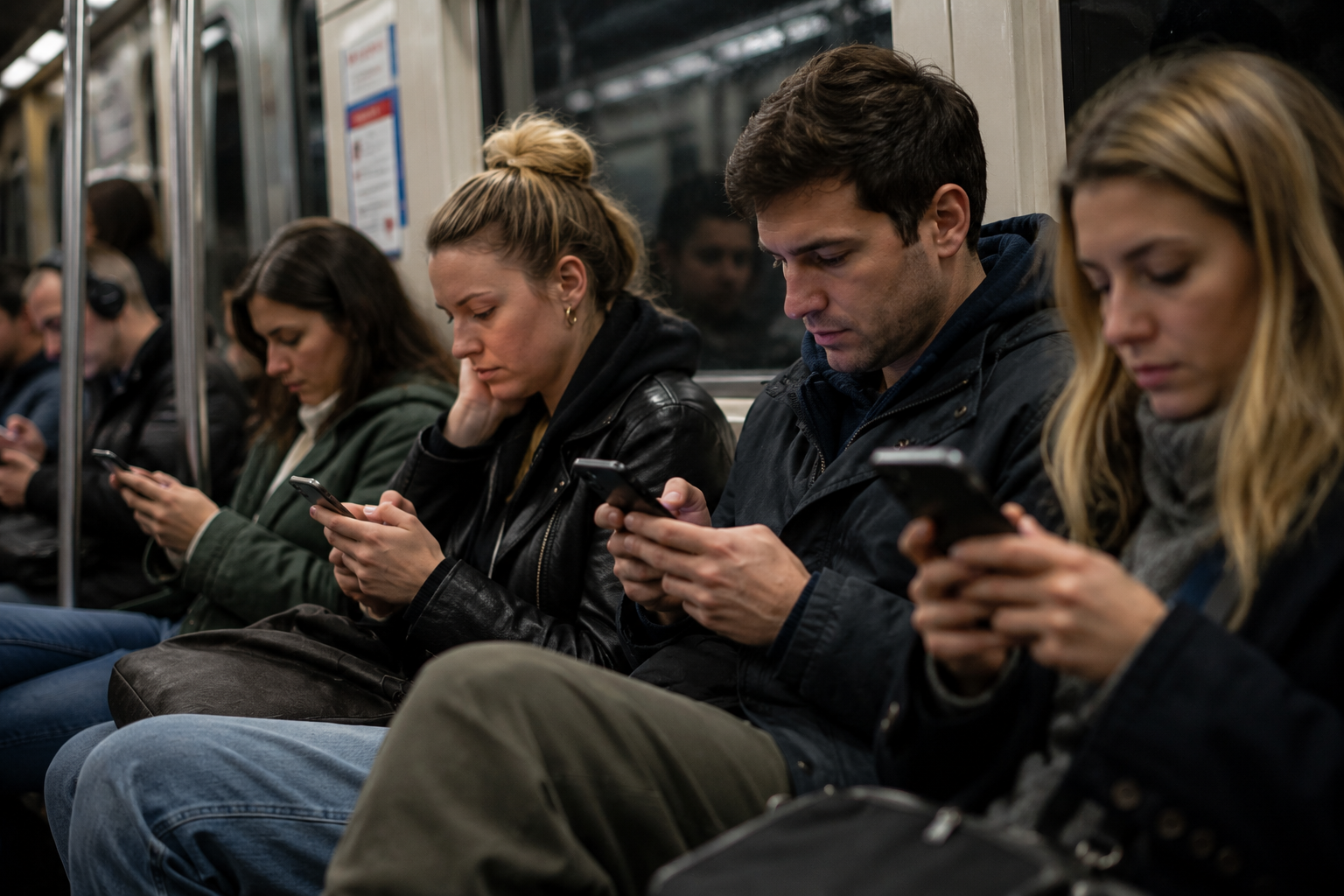
The way we consume and engage with culture has undergone a profound transformation in the past decade, thanks largely to social media. What was once a niche activity for enthusiasts has become an integral part of mainstream life, with platforms like Facebook, Instagram, TikTok, and YouTube playing host to an unprecedented array of cultural content.
According to a recent report by Hootsuite, over 4 billion people – more than half the world’s population – now use social media regularly. This has led to a democratization of culture, where anyone with access to the internet can produce and share their own content. The implications are far-reaching, from the way we experience art and entertainment to how we interact with each other.
The Shift to an Algorithm-Driven Experience
One of the most significant changes brought about by social media is the shift away from traditional broadcasting models. No longer do we rely on newspapers, magazines, or TV stations for our cultural fix. Instead, algorithms now curate our feeds, serving up content that’s tailored to our interests and engagement patterns.
This has created a feedback loop where user behavior influences what content gets promoted, often at the expense of more nuanced or thought-provoking material. For instance, studies have shown that social media platforms tend to favor sensationalized or clickbait headlines over in-depth analysis or critical commentary.
The Rise of Micro-Content and Short-Form Entertainment
Another key aspect of the social media-driven cultural landscape is the proliferation of micro-content. Platforms like TikTok, Snapchat, and Instagram Reels have made it possible for users to create and share bite-sized chunks of entertainment, often set to music or other audio tracks.
This format has proven particularly popular among younger audiences, who crave an endless stream of short-form content that’s easily consumable on-the-go. However, critics argue that this emphasis on brevity has contributed to a culture of superficial engagement, where users are more focused on ‘snacking’ on content rather than truly immersing themselves in it.
The Democratization of Creativity and the Rise of Influencer Culture
Finally, social media has democratized creativity by providing anyone with access to the internet an opportunity to produce their own cultural content. This has led to the rise of influencer culture, where individuals can build massive followings and monetize their expertise or interests.
While this has opened up new opportunities for creatives and entrepreneurs, it also raises concerns about authenticity, representation, and the commodification of cultural experiences. As with any business model built around user data, there’s a risk that social media platforms will prioritize revenue over artistic merit or intellectual curiosity.
Closing Thoughts
As we continue to navigate this rapidly evolving landscape, it’s essential to remain critical and informed about the role of social media in shaping our cultural experiences. By understanding both the benefits and drawbacks of these platforms, we can work towards a more nuanced and inclusive definition of culture that prioritizes diversity, creativity, and meaningful engagement.


