The way we consume and engage with culture has undergone a significant transformation in recent years, driven largely by the rise of social media. Gone are the days when people would gather around the TV to watch their favorite shows or listen to music on CDs; today, our shared experiences are curated and disseminated through platforms like TikTok, Instagram, and YouTube.
Algorithms Take Center Stage
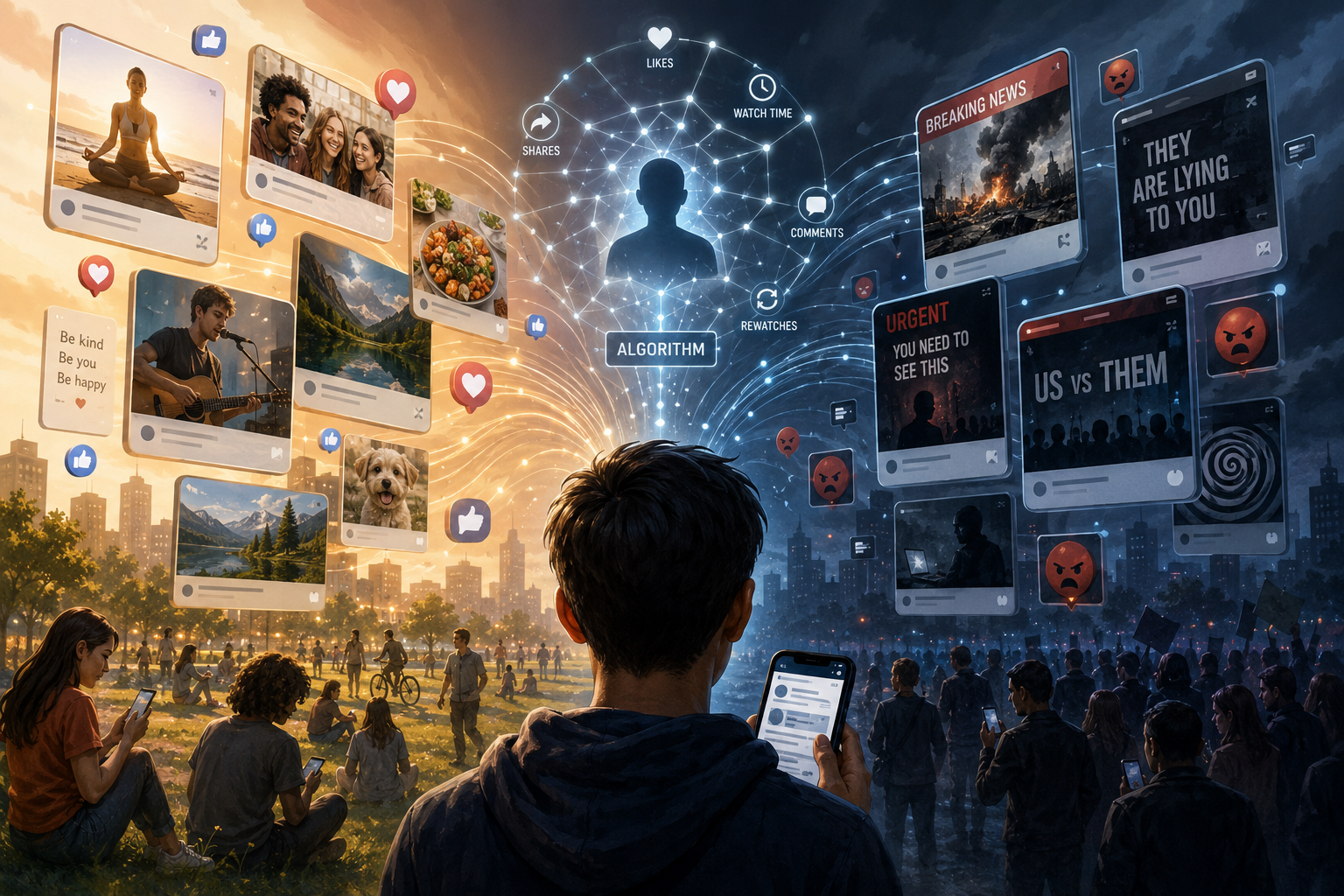
The key driver behind this shift is the increasing reliance on algorithms to surface content. Social media platforms use complex software systems to analyze user behavior, preferences, and interactions to serve personalized feeds. This has led to a phenomenon where users are exposed to a narrow slice of online culture, often tailored to their individual tastes.
For instance, a study by the Pew Research Center found that 70% of teens aged 13-17 use Instagram, with many using it as a primary source for discovering new music, trends, and influencers. However, this curated experience also raises questions about the homogenization of cultural expression. Are we missing out on diverse perspectives and artistic voices by relying on algorithms to guide our engagement?
The Rise of Influencer Culture
Another consequence of social media’s culture-shaping influence is the rise of influencer culture. Platforms like Instagram and TikTok have created a new breed of celebrities, where individuals can build massive followings and monetize their online presence. While influencers often promote products, services, or causes, they also shape cultural attitudes and tastes.
A report by Influencer Marketing Hub estimated that the global influencer marketing market will reach $24.1 billion by 2025, with social media platforms serving as the primary channel for influencer promotion. However, critics argue that this trend perpetuates a culture of superficiality, where authenticity is traded for clicks and likes.
What It Means for Users
So, what does this mean for users? As social media continues to shape our cultural experiences, it’s essential to be aware of the algorithms driving our interactions. By understanding how platforms curate content, we can make more informed choices about what we engage with and why.
Moreover, as AI-powered tools become increasingly prevalent in social media, it’s crucial to consider their impact on cultural expression. Can these technologies help democratize access to art, music, and other creative endeavors? Or will they further concentrate power in the hands of a few large platforms?
Closing Thoughts
As we navigate this new landscape of social media-driven culture, it’s essential to remain vigilant about the implications of our online interactions. By critically examining the algorithms, influencers, and technologies shaping our experiences, we can ensure that social media serves as a tool for cultural enrichment rather than homogenization.