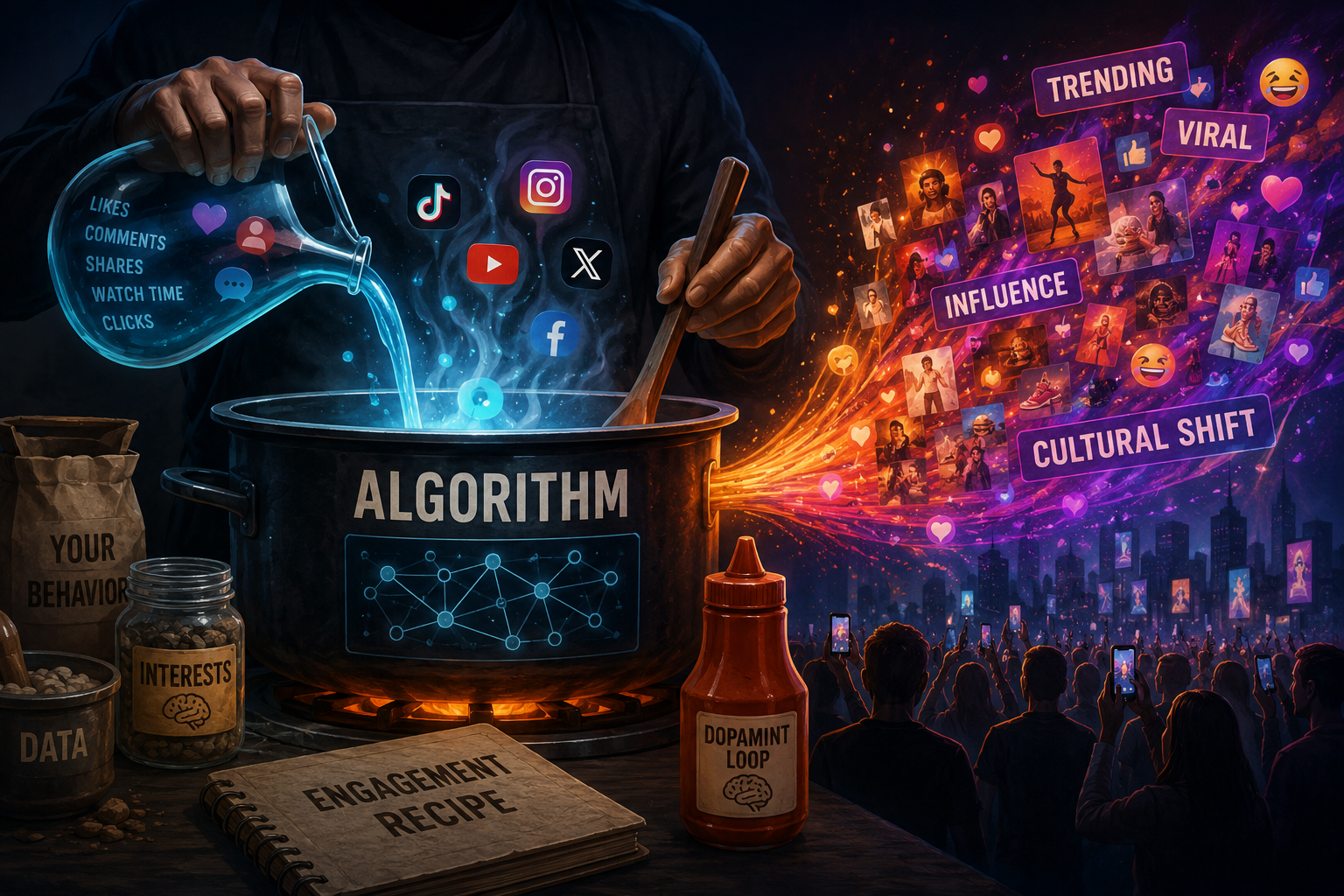
The way we experience culture has undergone a seismic shift in the past decade, driven by the relentless march of social media. What changed? The algorithms that power our feeds have become increasingly sophisticated, using AI to curate content that is both highly relevant and addictively engaging.
At the heart of this transformation are complex machine learning models that analyze vast amounts of user data, including search queries, likes, shares, and comments. These models then use this information to rank content in our feeds, often without us even realizing it. But what exactly do these algorithms prioritize?
The Rise of Personalization
Today’s social media platforms are built around the concept of personalization. By analyzing user behavior and preferences, algorithms can create a unique feed for each individual, showcasing content that is likely to resonate with them. This has led to an explosion in engagement, as users are presented with content that feels tailored to their interests.
But at what cost? Critics argue that personalized feeds have created a culture of echo chambers, where users are only exposed to information that reinforces their existing views. This can lead to a lack of diversity in the content we see, as well as a decline in critical thinking and media literacy.
The Dark Side of AI-Driven Curation
While algorithms have improved the user experience in many ways, they also pose significant risks. For instance, AI-driven curation can amplify misinformation and propaganda, as platforms struggle to distinguish between fact and fiction. This has led to concerns about the spread of fake news and the erosion of trust in institutions.
Furthermore, the emphasis on personalization has created a culture of competition and one-upmanship, where users feel pressure to present a curated version of themselves online. This can lead to feelings of inadequacy and anxiety, as individuals compare their lives to the highlight reels presented by others.
The Future of Culture in the Age of AI
As social media continues to evolve, it’s clear that algorithms will play an increasingly central role in shaping our cultural experiences. But what does this mean for the future of art, music, and other creative endeavors?
Some argue that AI-driven curation has the potential to democratize culture, providing new opportunities for marginalized voices and perspectives to be heard. Others worry that the emphasis on personalization will lead to a homogenization of cultural expression, as algorithms favor content that is safe and familiar.
A New Era of Cultural Consumption
One thing is certain: social media has fundamentally changed the way we experience culture. By leveraging AI-driven curation, platforms have created new opportunities for engagement and discovery, but also pose significant risks to our collective well-being.
As we move forward in this brave new world, it’s essential that we prioritize critical thinking and media literacy, recognizing both the benefits and drawbacks of AI-driven curation. By doing so, we can harness the power of social media to create a more inclusive and diverse cultural landscape.