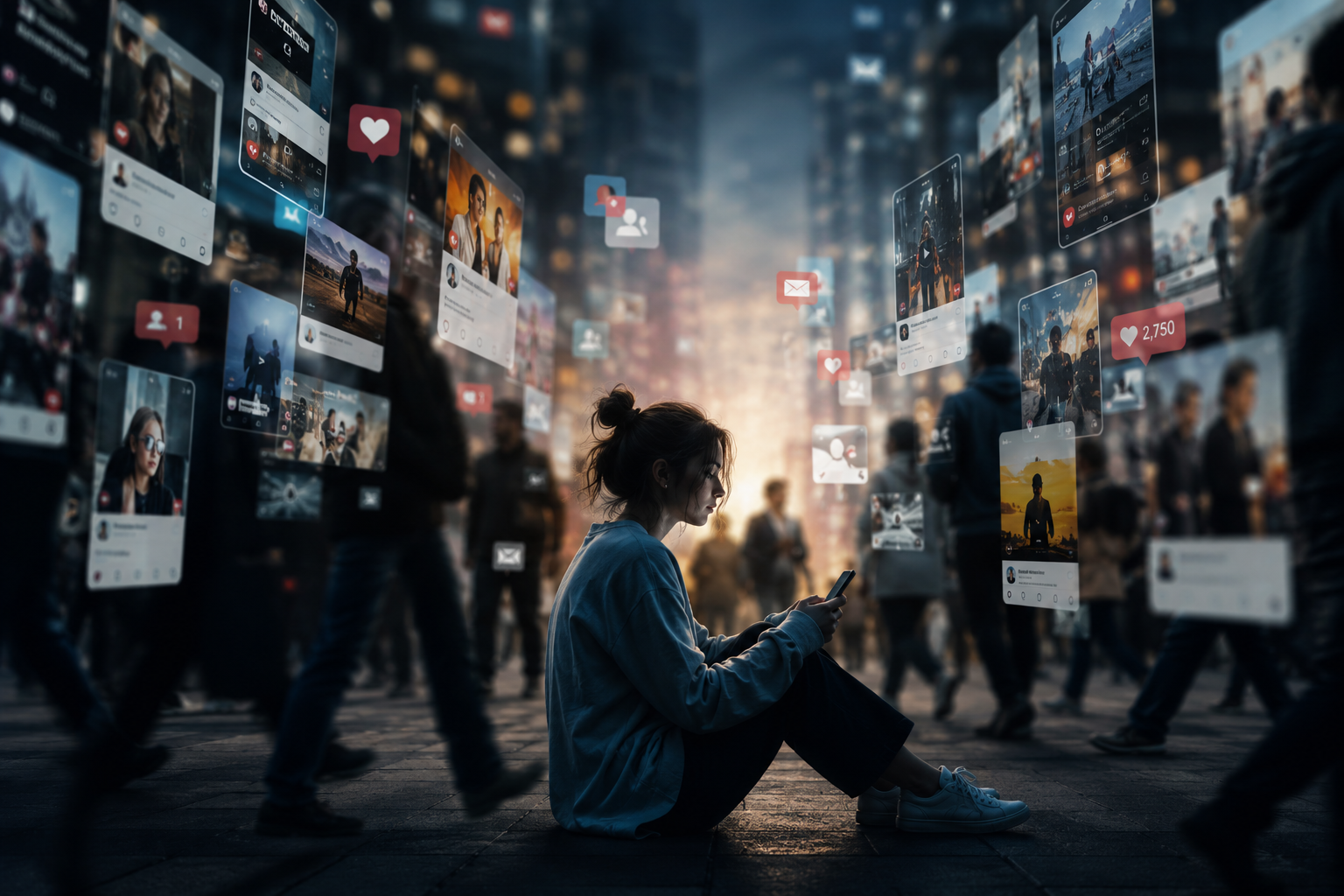
For decades, social media platforms have been the primary drivers of cultural trends, influencing everything from music and fashion to politics and social justice. But as these platforms continue to evolve, they’re also changing the way we experience culture – often in ways that are both fascinating and unsettling.
Rethinking Cultural Hierarchies
One of the most significant shifts is the democratization of cultural influence. With algorithms now playing a major role in determining what content goes viral, anyone with an internet connection can become a tastemaker – regardless of their background or expertise. This has led to the rise of micro-influencers and niche communities, where fans and enthusiasts share and discover new content that resonates with them on a deeper level.
However, this democratization also brings its own set of challenges. With so much content competing for our attention, it’s become increasingly difficult to distinguish between high-quality, thought-provoking work and low-effort clickbait. As a result, we’re seeing the erosion of traditional cultural hierarchies – where established critics, curators, and tastemakers are being supplanted by algorithms and online sentiment.
The Rise of Algorithmic Curation
Another key development is the increasing reliance on algorithmic curation. Social media platforms now use complex AI-powered systems to recommend content to users based on their past behavior and preferences. While this can be a powerful tool for discovering new music, art, or literature, it also raises important questions about the role of human curation in shaping our cultural experiences.
For instance, when algorithms determine what we see online, do we risk losing exposure to diverse perspectives and challenging ideas? Or do these systems simply provide a more tailored experience that meets our individual tastes – even if those tastes are narrow or biased?
The Impact on Cultural Institutions
The shift towards algorithmic curation also has significant implications for cultural institutions, such as museums, galleries, and performance venues. As online engagement becomes increasingly important for these organizations, they’re being forced to adapt their strategies – often at the expense of traditional programming and curatorial expertise.
This raises important questions about the future of cultural institutions in a digital age. Will we see the rise of ‘algorithmic curators’ who use AI-powered systems to recommend content to users? Or will these organizations find ways to balance online engagement with more traditional approaches to curation and programming?
The Future of Cultural Experience
As social media continues to shape our cultural landscape, it’s clear that the future holds both promise and peril. On one hand, we’re seeing new opportunities for democratization and discovery – where anyone can become a tastemaker and share their passions with the world.
On the other hand, we risk losing the nuance and complexity of human curation in favor of algorithmic efficiency. As we navigate this shifting landscape, it’s essential to stay vigilant about the implications of these changes – and to prioritize critical thinking and media literacy in our online interactions.