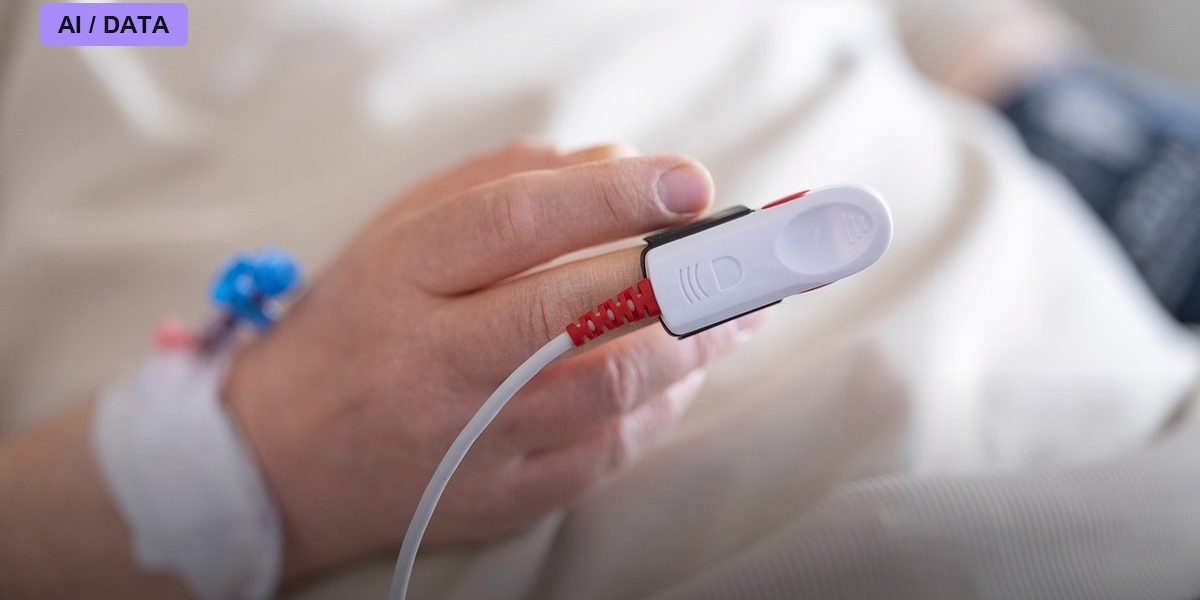
Tempus AI announced on September 28 that it has received FDA 510(k) clearance for Tempus ECG-MR, an artificial intelligence product that scans a routine 12-lead resting electrocardiogram for subtle signals associated with undiagnosed moderate or severe mitral regurgitation — a leaky heart valve condition that often produces no symptoms until it has done lasting damage. The clearance makes ECG-MR the fourth FDA-cleared product in Tempus’s growing ECG-AI lineup, which the Chicago-based precision medicine company says now spans arrhythmia detection, heart function assessment, pulmonary vascular disease and valvular disease, following an earlier clearance for an AI tool that flags pulmonary hypertension from the same kind of recording.
A Common Leak That Hides in Plain Sight
Mitral regurgitation occurs when the valve between the heart’s left atrium and left ventricle fails to close properly, letting blood leak backward with every heartbeat. Cardiologists have long described it as a condition that frequently escapes notice: early and even moderate cases can be symptom-free or produce only vague complaints like shortness of breath or fatigue that patients and primary care doctors attribute to aging, deconditioning or other causes. By the time a patient is referred for the echocardiogram that can definitively diagnose it, the valve damage and strain on the heart muscle may already be advanced, narrowing treatment options that are far more effective when caught early.
How the Tool Is Meant to Work
Tempus ECG-MR is not designed to diagnose mitral regurgitation on its own. According to the company’s clearance documentation, it analyzes resting, non-ambulatory ECGs collected at healthcare facilities from patients aged 65 or older who carry cardiovascular risk factors such as coronary artery disease, hypertension, obesity or diabetes, or who report symptoms like chest pain, shortness of breath or swelling in the legs. The software returns a binary output — essentially a flag — indicating whether a patient’s ECG pattern resembles those of people later found to have moderate or severe MR, and is intended to route flagged patients toward follow-up testing, including echocardiography, that a clinician would order to confirm or rule out the condition. The FDA clearance explicitly excludes patients who have already had mitral valve intervention or a prior MR diagnosis, and the device is not meant to be used with ECGs showing paced rhythms or for continuous monitoring.
Part of a Broader Bet on the ECG as a Diagnostic Gateway
Tempus’s strategy reflects a wider industry trend of mining the electrocardiogram — one of medicine’s cheapest, fastest and most universally available tests — for signals invisible to the human eye but detectable by machine learning models trained on huge paired datasets of ECG waveforms and confirmed diagnoses. The approach echoes earlier academic work, including Mayo Clinic-led research showing ECG-based AI could flag low ejection fraction and other structural heart problems years before symptoms appeared. By building a portfolio of narrow, FDA-cleared ECG classifiers rather than one broad tool, Tempus is betting that hospitals and clinics already capturing millions of ECGs a year can be turned into a large-scale screening network for conditions that are otherwise found mostly by chance or only after symptoms force a specialist visit.
Why Some Clinicians Will Still Want to See More Data
The clearance announcement itself does not disclose the sensitivity, specificity or area-under-curve figures from the validation studies the FDA reviewed — a gap that trade publications covering the broader wave of 510(k)-cleared AI diagnostics have repeatedly flagged as a transparency problem, since a binary flag with an unpublished false-positive rate can either meaningfully reduce missed diagnoses or simply add noise and extra echocardiogram referrals for an already-stretched cardiology workforce. Tempus’s own clearance letter underscores the tool’s limited role, stating plainly that it is not intended to serve as a stand-alone diagnostic and that its output should be interpreted alongside the original ECG tracing, other test results and the patient’s clinical history — language that reflects the FDA’s broader caution around AI software that produces a risk score rather than a definitive diagnosis.
What’s Next
For now, Tempus ECG-MR will roll out as one more algorithm embedded in a growing library of AI-read cardiac tests that hospitals can license from the company, alongside its existing arrhythmia, heart-function and pulmonary-hypertension tools. The real test will come as it moves from a 510(k) filing into day-to-day use: whether primary care clinics and emergency departments actually act on the flags it generates, whether the referrals it prompts turn up enough previously undiagnosed moderate-to-severe MR cases to justify the added echocardiography volume, and whether larger, published outcome studies eventually back up what the clearance alone cannot show. With an aging U.S. population and a growing body of evidence that routine ECGs carry more diagnostic information than cardiologists have traditionally extracted from them, Tempus and its competitors are positioning the twelve-lead tracing as the next frontier for low-cost AI screening — if the clinical evidence holds up to scrutiny over time.
Photo: Engin_Akyurt / PIXABAY via Pixabay