The world of technology and artificial intelligence is constantly evolving, and one area that’s seeing significant advancements is in the realm of laptops. But what are some of the most influential books shaping conversations this year? From AI-powered innovation to sustainable design, we’ll explore the top picks and their impact on the industry.
1. The Singularity Is Near by Ray Kurzweil
Published in 2005, but still widely discussed today, The Singularity Is Near is a seminal work on the potential of artificial intelligence to surpass human intelligence. Kurzweil’s prophetic vision of an AI-powered future has sparked intense debate and continues to influence the development of AI technologies.
With its emphasis on exponential growth and the convergence of technologies, The Singularity Is Near serves as a foundation for understanding the potential risks and benefits of AI. Kurzweil’s work has inspired both excitement and trepidation, and his ideas remain relevant in today’s rapidly changing tech landscape.
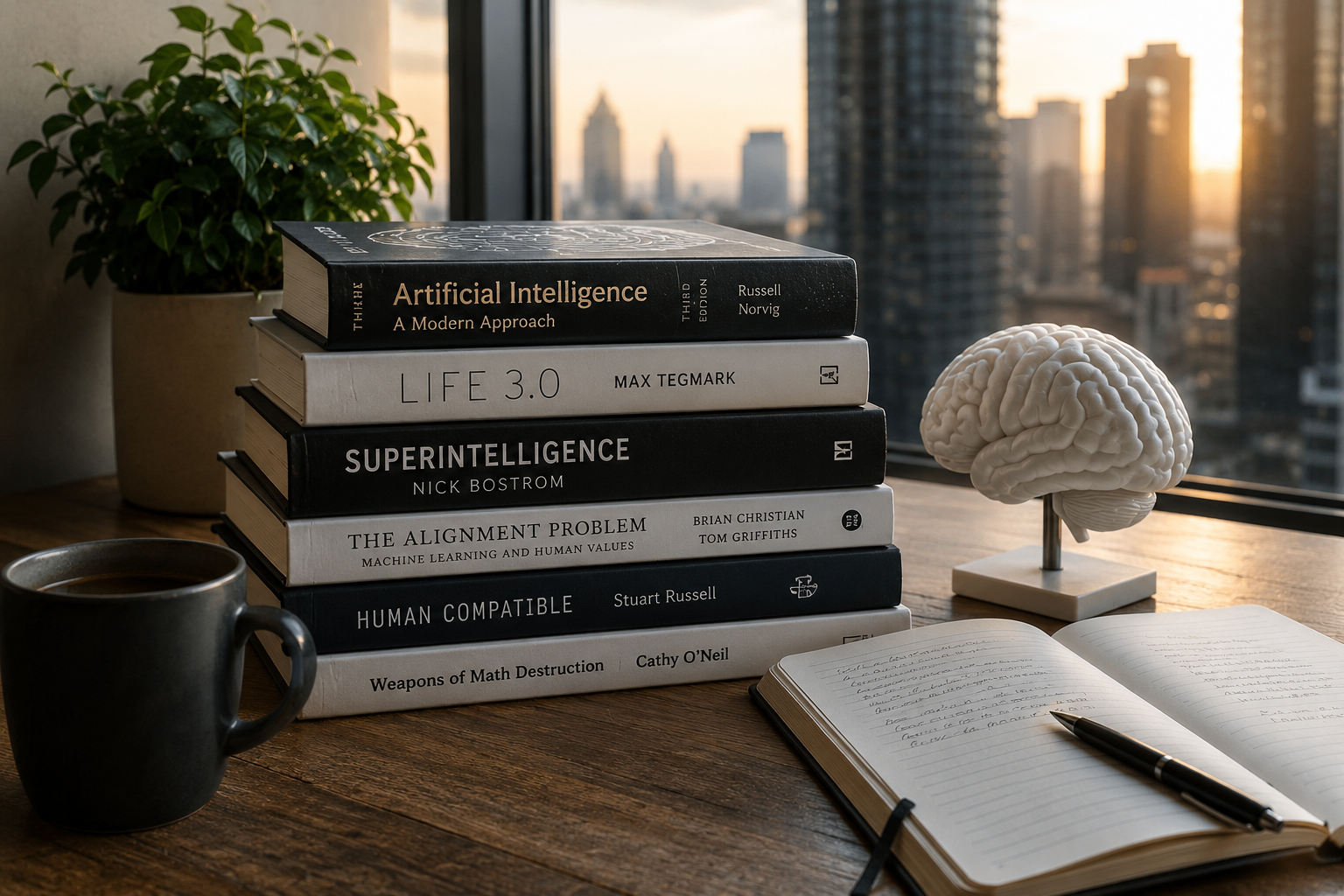
2. Life 3.0: Being Human in the Age of Artificial Intelligence by Max Tegmark
In this thought-provoking book, physicist Max Tegmark explores the possibilities and consequences of creating a world where AI surpasses human intelligence. Life 3.0 delves into the implications of superintelligent machines on humanity’s future, raising essential questions about our relationship with technology.
Tegmark’s comprehensive analysis covers topics from the ethics of AI development to the potential risks and benefits of creating advanced artificial intelligences. By examining both optimistic and pessimistic scenarios, Life 3.0 encourages readers to think critically about the impact of AI on our lives and society.
3. Deep Learning by Ian Goodfellow, Yoshua Bengio, and Aaron Courville
This comprehensive textbook on deep learning has become a standard reference for researchers and practitioners in the field. Deep Learning covers the fundamentals of neural networks, including convolutional and recurrent nets, as well as more advanced topics like generative models.
With contributions from leading experts Goodfellow, Bengio, and Courville, this book provides a thorough understanding of deep learning concepts, architectures, and applications. By mastering these techniques, readers can develop innovative AI solutions for various industries, from healthcare to finance.
4. The Second Mountain by David Brooks
A more philosophical take on the impact of technology, The Second Mountain explores how we can cultivate a deeper sense of purpose and fulfillment in an increasingly tech-driven world. Brooks argues that our pursuit of happiness often leads to emptiness, and that true meaning comes from serving others.
While not exclusively focused on AI or laptops, The Second Mountain offers valuable insights into the human side of technology adoption. By examining our values and motivations, we can better understand how to harness the benefits of AI while mitigating its potential drawbacks.
5. The AI Now Report by Kate Crawford, Meredith Whittaker, and others
This annual report from the AI Now Institute at New York University provides a critical examination of the social implications of AI. The AI Now Report highlights issues like bias in AI decision-making, job displacement, and digital surveillance.
By shedding light on these pressing concerns, the report offers a nuanced perspective on the role of technology in society. It serves as a valuable resource for policymakers, industry leaders, and individuals seeking to understand the complexities of AI and its impact on human lives.