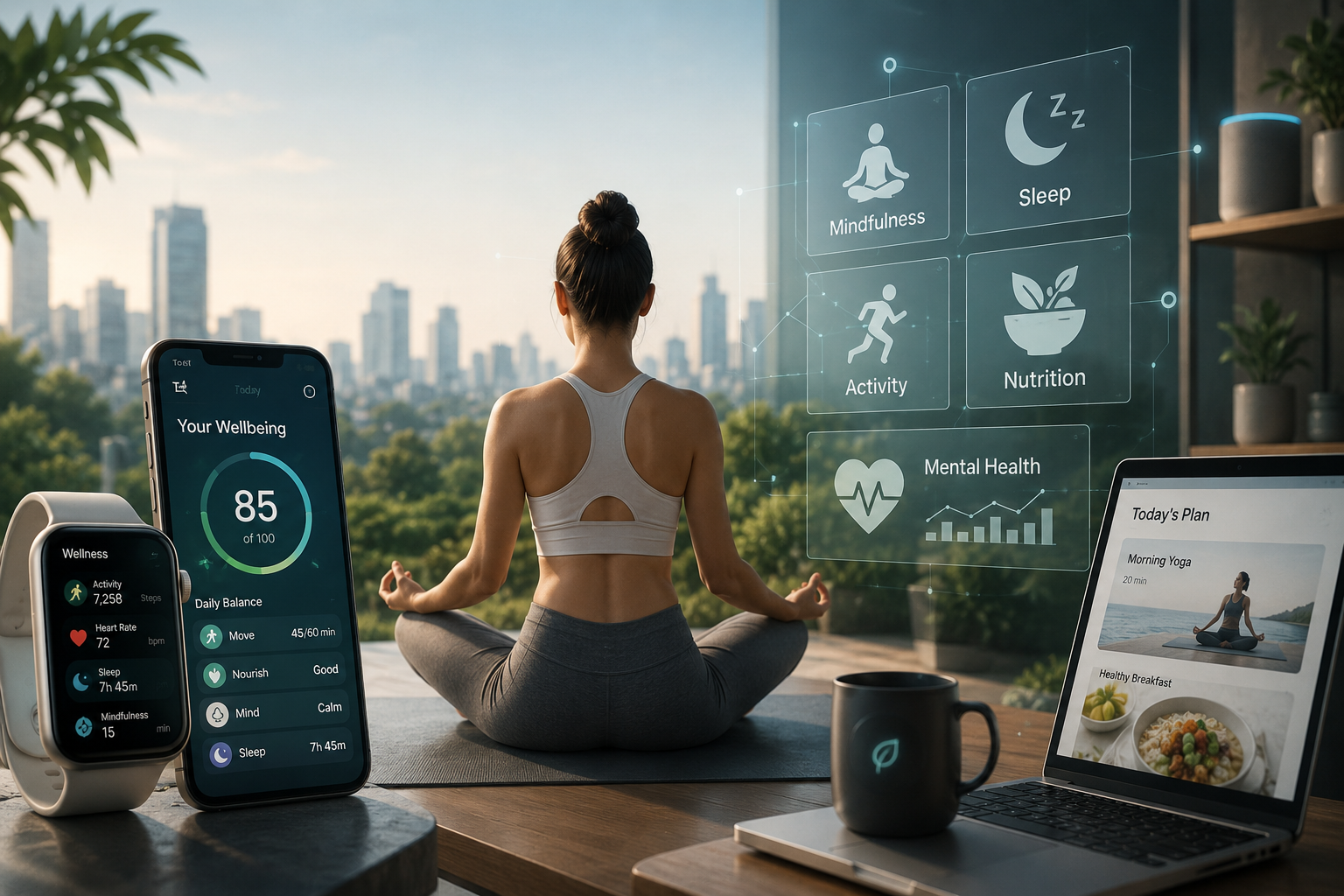
The wellness culture has been gaining momentum in recent years, with an increasing focus on mental and physical health. According to a report by the Global Wellness Institute, the global wellness market was valued at $4.5 trillion in 2020, accounting for over 10% of the global economy.
What Changed?
The shift towards wellness began with the rise of mobile apps and wearable devices that track physical activity, sleep patterns, and nutrition. However, it’s not just about tracking habits; technology is now being used to promote mindfulness, meditation, and stress relief. Apps like Headspace and Calm have become increasingly popular, offering guided meditations and personalized wellness plans.
Another significant development has been the integration of AI-powered health monitoring systems. These systems use machine learning algorithms to analyze user data, providing insights into their overall well-being. For instance, Apple’s Watch Series 7 comes equipped with an electrocardiogram (ECG) app that can detect irregular heart rhythms and alert users if they require medical attention.
Specs and Features
The technology driving the wellness revolution includes:
- Mobile apps: Headspace, Calm, Fitbit Coach
- AI-powered health monitoring systems: Apple Watch Series 7, Garmin Venu
- Wearable devices: Fitbit Inspire HR, Samsung Galaxy Watch Active2
- Health and wellness platforms: MyFitnessPal, Strava
How it Compares
The key difference between the current wellness landscape and previous attempts to promote healthy living lies in the integration of technology. While traditional fitness trackers focused solely on tracking physical activity, modern devices like smartwatches and AI-powered health monitoring systems offer a more holistic approach.
This shift is reflected in the growing popularity of wellness-focused smartphones. For instance, Apple’s iPhone 13 Pro features a dedicated “Wellness” app that integrates with other health-related services, including medication tracking and emergency SOS alerts.
What it Means for Users
The impact of technology on the wellness culture is multifaceted:
- Increased accessibility: Mobile apps and wearable devices have made wellness tools more accessible to a broader audience.
- Personalization: AI-powered health monitoring systems provide users with tailored recommendations based on their individual needs.
- Improved data analysis: Advanced analytics enable users to track progress, identify patterns, and make informed decisions about their health.
Closing Thoughts
The wellness revolution is not just a trend; it’s a fundamental shift in how we approach our physical and mental well-being. As technology continues to play an increasingly important role, it’s essential to recognize both the benefits and limitations of these tools. By doing so, we can harness their potential to create a healthier, more mindful society.