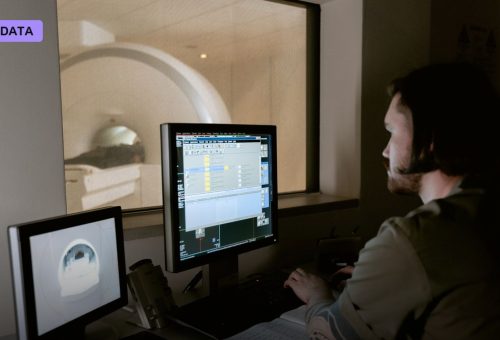
Nearly three in four European Union member states are now using artificial intelligence to assist with medical diagnostics, according to a report released by the World Health Organization’s Regional Office for Europe on April 20, 2026, and still being cited by health policy analysts this month as the most comprehensive snapshot yet of how AI has moved from pilot projects into everyday clinical practice. The report, titled “Artificial intelligence is reshaping health systems: state of readiness across the European Union,” found that 74% of the 27 EU member states are using AI for tasks like medical imaging analysis, disease detection and clinical decision support, while 63% have deployed chatbots to help patients navigate appointments, symptoms and basic questions.
A First-of-Its-Kind Snapshot
WHO/Europe, headquartered in Copenhagen, produced the report under a multi-year funding agreement with the European Commission, drawing on data collected from national health ministries and agencies between June 2024 and March 2025. Officials described it as the first comprehensive review focused specifically on how AI is being absorbed into health systems across the EU, rather than broader global surveys that tend to blend high-income and low-income countries with very different starting points. Every one of the 27 member states identified better patient care as the primary driver behind their AI investments, a level of consensus that is rare in health policy circles where countries often diverge sharply on priorities.
Where the Technology Is Actually Being Used
The diagnostic applications cited most often in the report include AI-assisted reading of radiology scans, algorithms that flag early signs of disease such as diabetic retinopathy or certain cancers, and clinical decision-support tools that suggest possible diagnoses or treatment pathways to physicians. Nearly half of member states have gone a step further and created dedicated AI and data science professional roles inside their health ministries or national hospital systems, formalizing what used to be ad hoc IT projects into permanent staff positions responsible for procurement, oversight and integration of AI tools into daily care.
Governance Keeping Pace, Mostly
One of the more notable findings is that 81% of EU countries report actively involving outside stakeholders — clinicians, patient groups, ethicists and technology vendors — in decisions about how AI systems get approved and monitored, a figure WHO/Europe says exceeds the average across its broader 53-country European Region. That relatively high level of engagement suggests governments are trying to avoid the kind of top-down technology rollouts that have generated public backlash in other sectors, though the report stops short of claiming those governance structures are uniformly effective across all 27 countries.
The Gap Between Adoption and Readiness
Despite the high adoption numbers, WHO/Europe’s report frames workforce readiness as the area most likely to hold back safe and effective use of AI in the years ahead. The report calls on governments to strengthen education around AI fundamentals, ethics and data governance for both current clinicians and students still in training, warning that a growing share of frontline health workers are already using AI tools without formal instruction in their limitations or failure modes. Separately, industry surveys published around the same period found that roughly 70% of healthcare providers globally have deployed some form of AI, but many organizations still cannot measure what clinical outcomes those tools are actually producing — a gap between buying AI and proving it works that mirrors the workforce concerns WHO/Europe raises.
Two Views on What Comes Next
Supporters of the faster rollout argue that waiting for perfect training infrastructure before deploying tools that already demonstrably speed up diagnosis, such as AI-assisted stroke or cancer detection, would cost lives in the interim, and that iterative regulation alongside deployment is preferable to years of delay. Critics, including some clinician groups quoted in adjacent WHO consultations, counter that deploying diagnostic AI faster than the workforce can be trained to understand its blind spots risks embedding errors into care at scale before anyone notices — particularly in smaller EU health systems with fewer specialists available to double-check AI-flagged cases. Both camps agree that oversight infrastructure, including the WHO’s proposed centers of excellence for testing and standard-setting, needs to mature quickly regardless of which pace of deployment prevails.
What WHO/Europe Recommends Next
The report closes with three concrete priorities for national governments: build workforce readiness through mandatory AI literacy training folded into medical and nursing education; keep stakeholder engagement broad and continuous rather than a one-time consultation; and establish dedicated centers of excellence tasked with testing AI tools and setting implementation standards before wider rollout. With EU AI Act transparency obligations for high-risk systems, including many medical devices, taking effect on August 2, 2026, health systems across the bloc are now under a hard regulatory deadline to document how their AI tools work and disclose that information to regulators and, in many cases, patients — turning what had been a voluntary readiness exercise into a compliance requirement almost overnight.