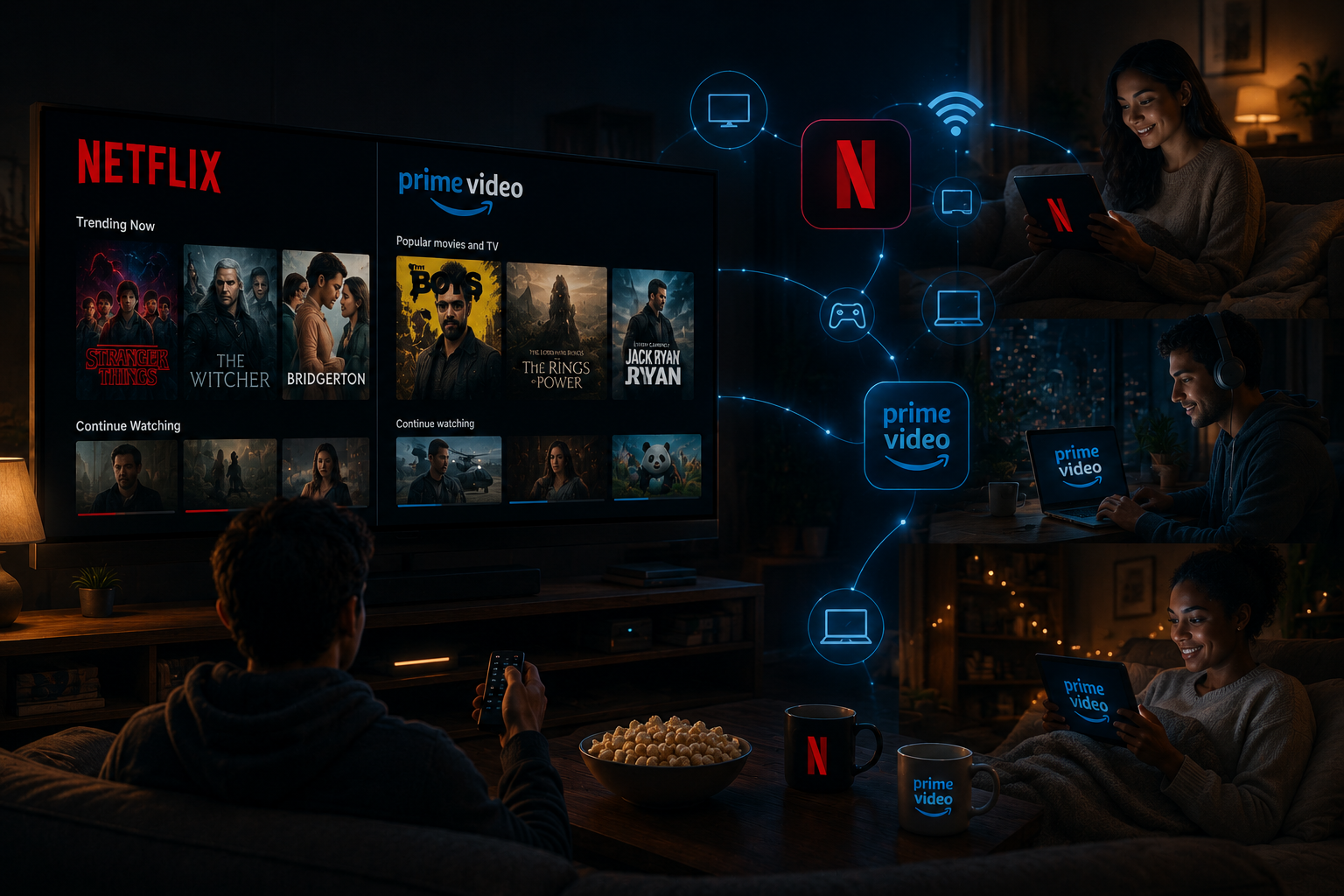
The media landscape has undergone significant changes in recent years, driven largely by the proliferation of streaming platforms. Services like Netflix, Amazon Prime Video, Disney+, and HBO Max have disrupted traditional TV viewing habits, offering users unprecedented access to content on-demand.
But the impact of these platforms extends far beyond mere entertainment. They are reshaping culture, influencing our social dynamics, and raising important questions about ownership, control, and the future of media consumption.
The Rise of Streaming: What Changed?
The key drivers behind this shift include increased internet penetration, advancements in streaming technology, and a growing demand for personalized content. According to a report by Deloitte, 71% of consumers now use streaming services, up from 44% in 2015.
Streaming platforms have also become major players in the tech industry, with many investing heavily in AI-driven content recommendation engines. These algorithms analyze user behavior and preferences to provide tailored suggestions, enhancing the viewing experience but also raising concerns about data privacy and surveillance.
Specs and Features: A Comparison of Popular Streaming Services
Samsung’s QLED TVs now support a wide range of streaming services, including Netflix and Amazon Prime Video. The flagship model boasts 8K resolution, HDR10+, and an impressive 100Hz refresh rate.
- Netflix:
- 4K and HDR support
- Auto-play next episode feature
- Integrated AI-driven content recommendation engine
- Amazon Prime Video:
- 4K, HDR10, and Dolby Atmos support
- X-Ray feature for behind-the-scenes content
- Integrated Alexa voice control
- Disney+:
- 4K, HDR10, and 7.1 surround sound support
- Exclusive Disney+ Originals content
- Integrated parental controls for family-friendly viewing
What It Means for Users: A Shift in Power Dynamics
The rise of streaming platforms has altered the balance of power between creators, distributors, and consumers. With more content available than ever before, users now have unparalleled choice and flexibility.
However, this shift also raises questions about ownership and control. As streaming services increasingly dictate what content is made available to their audiences, creators must navigate complex licensing agreements and platform-specific guidelines.
Availability, Pricing, and What’s Next
The most popular streaming platforms are now widely available in India, with Netflix starting at ₹499 per month for the Basic plan. Amazon Prime Video offers a more comprehensive package at ₹129 per month, including access to music, photos, and other benefits.
As the streaming landscape continues to evolve, look out for emerging trends like AI-generated content, virtual reality experiences, and increased focus on social impact initiatives.