Suki Raises $90 Million to Expand AI Agents Across Health Systems
Suki's $90 million raise for AI agents that handle health system administrative work reflects sustained investor confidence in tools aimed at reducing physician documentation burden.

The Africa Health-Tech Accelerator's 2026 cohort targets AI diagnostics and supply chains alike, reflecting growing but still modest investment in African health tech relative to funding rounds elsewhere.
South Korea's new guidelines target emotional dependence on AI chatbots and risky self-diagnosis, as global regulators grapple with mental health AI tools that research shows can both help and harm vulnerable users.
Northwestern Medicine's integration of OpenEvidence into Epic lets clinicians check drug dosing and guidelines without leaving the patient chart, part of a broader push to embed AI invisibly into clinical workflow.
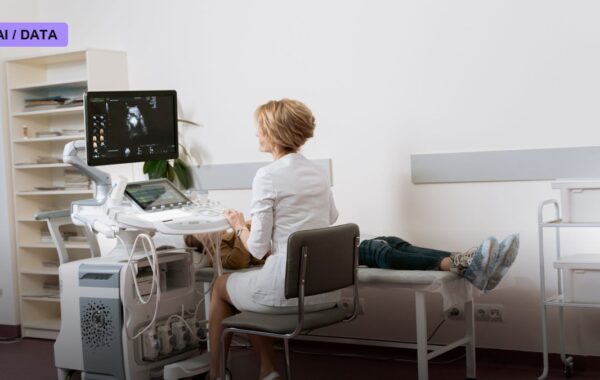
ThinkSono has won FDA clearance for AI software that guides non-ultrasound-trained staff through scans for deep vein thrombosis, aiming to catch a condition that kills tens of thousands of Americans a year.
CMS's WISeR pilot uses AI to speed up Medicare prior-authorization reviews in six states, but physicians and patient advocates warn the same technology that promises faster approvals could just as easily automate denials.
The Senate Special Committee on Aging held a July 2026 hearing on AI-enabled fraud against older adults, after which Senators Kirsten Gillibrand and Mark Kelly sent letters to nine major AI companies asking how they protect seniors who use chatbot companions.
The Chan Zuckerberg Biohub, the Department of Energy and the NIH have expanded their Virtual Biology Initiative to $1.8 billion, pairing new federal supercomputing power with Google DeepMind, Isomorphic Labs and Meta funding to build training data for predictive biology models.
Judson Senior Living and Case Western Reserve University have launched a year-long, NIH-funded pilot testing whether an AI companion robot called Navi can support daily routines and ease caregiver strain without replacing human care.
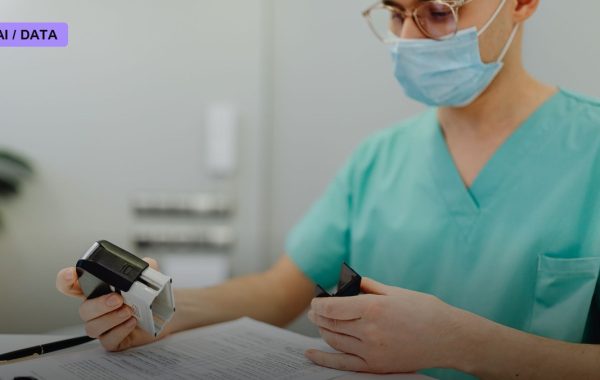
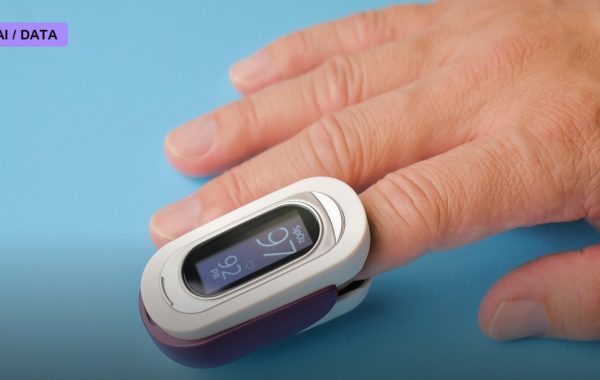
Israeli startup Sleep AI, built on Technion sleep-research, says a home finger-oximeter paired with an AI model can diagnose sleep apnea with up to 99% accuracy for moderate-to-severe cases, at a fraction of the cost of an overnight sleep lab. The device has not yet won regulatory approval, and its figures remain company-reported rather than independently validated.