


Latest Stories

Uncategorized
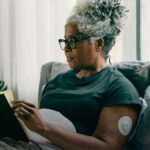
Nanowear’s Wrist Patch Wins FDA Breakthrough Status for Non-Invasive Vascular Monitoring
Nanowear's SimpleSense-Wrist patch won FDA Breakthrough Device Designation for non-invasive vascular monitoring, extending the company's fabric-sensor wearable platform into a technically challenging new cardiovascular category.
Uncategorized
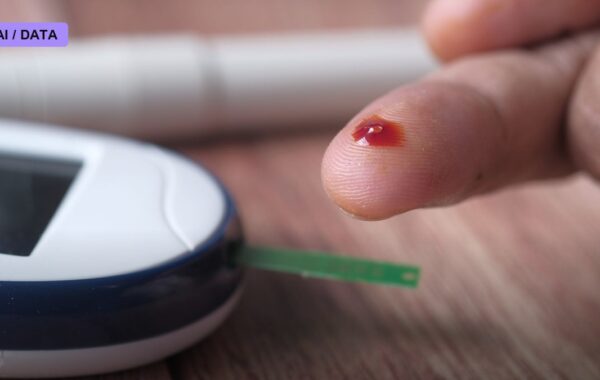
Abbott Wins FDA Clearance for First Wearable to Track Glucose and Ketones Together
Abbott won FDA clearance for the first wearable that continuously tracks both glucose and ketones, a combination clinicians say could help catch dangerous ketoacidosis earlier in diabetes patients taking SGLT2 inhibitor medications.

Uncategorized
HIMSS Brings Hospital Executives to San Diego for a Three-Day AI Reckoning
HIMSS's AI Executive Leadership Summit and AI in Healthcare Forum brought hospital leaders to San Diego to confront a widening gap between fast-moving AI adoption and the governance infrastructure needed to deploy it safely.
Uncategorized
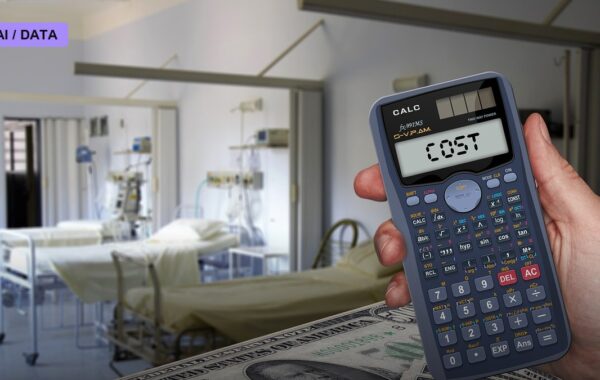
Hospitals Push Back as Insurers Accuse Them of Using AI to Inflate Medical Billing Codes
The American Hospital Association pushed back on insurer accusations that hospitals use AI to inflate billing codes, framing the dispute as part of a broader arms race in which both payers and providers deploy AI in claims processing.
In-Depth

Uncategorized
Medical Societies Push Back: AI Is a Useful Tool, But Physician Judgment Still Comes First
Major medical societies pushed back on growing AI autonomy in clinical care, arguing diagnostic AI remains a valuable tool but physician judgment must stay central, especially for cases falling outside a model's training patterns.

Uncategorized
A Dozen US Health Systems Form Collaborative to Accelerate Diagnostic AI Validation
Twelve US health systems formed a collaborative to jointly validate diagnostic AI tools across a broader, more diverse patient population, aiming to close the gap between AI performance in controlled studies and real-world hospital use.

Uncategorized
A 20-Second Voice Test Can Now Flag Type 2 Diabetes, Researchers Tell European Diabetes Conference
Researchers unveiled an AI tool at EASD 2026 that flags signs of type 2 diabetes from just 20 seconds of speech, an early-stage finding that could eventually enable low-cost screening but still requires much larger validation studies.
Uncategorized
University of Vermont Gets $38 Million to Build AI Digital Twins of ICU Patients
The University of Vermont received a $38 million grant to build AI digital twins that simulate individual ICU patients' physiology, aiming to help clinicians predict treatment responses in real time for critically ill patients.
Uncategorized
Autonomous AI Dermatology Triage Frees Up 8,500 UK Appointments in Skin Cancer Screening Push
An autonomous AI triage system freed up roughly 8,500 UK dermatology appointments by screening low-risk skin lesions without clinician review, one of the largest real-world tests yet of autonomous AI decision-making in medicine.